- Start with machine acceptance, not shipping price. A low freight quote does not help if the laser power, controller, voltage or spare-part package is wrong.
- Use Incoterms 2020 language in every quotation. FOB, CIF, DAP and DDP change risk, freight control and cost points.
- For U.S. buyers, classification belongs to the importer and broker. Use official HTS and customs guidance before cost approval.
- Laser equipment needs radiation-safety attention. U.S. laser products connect to 21 CFR 1040.10 and 1040.11, while technical files may reference IEC 60825-1.
- Wooden crates need ISPM 15 treatment marks. Packing evidence matters before the balance payment and before destination inspection.
Importing CNC and laser machines from China works best when the buyer treats the order as an engineering project plus an import project. The machine must match the workload, pass sample testing, carry the right documents, ship under clear Incoterms 2020 terms, clear customs with the correct classification and arrive with support ready before installation.
SERP Gap and Article Strategy
Current search results for importing laser or CNC machines from China often split the topic between freight guides, supplier guides and personal import stories. The missing buyer value is a joined workflow: engineering selection, documentation, factory acceptance testing, shipping terms, customs risk and support planning.
| Search Result Pattern | Common Coverage | Missing for Equipment Buyers | This Guide Adds |
|---|---|---|---|
| Freight-forwarder guide | Sea freight, customs, documents | Limited machine acceptance detail | FAT and sample testing before balance payment |
| CNC supplier guide | Supplier communication and payment | Less official customs sourcing | CBP, HTS, Incoterms and ISPM 15 sources |
| Video/import story | Real experience | Not repeatable for B2B procurement | Step-by-step RFQ and document checklist |
| Laser-specific guide | FDA and shipping notes | Narrow product scope | CNC, laser and mixed-factory procurement workflow |
Source: LemonC SERP competitor analysis for Google US, run 2026-06-22.
Import Workflow Before Freight
Shipping should start after the engineering specification is stable. If the buyer changes bed size, laser power, enclosure, chiller, exchange table, CNC control or voltage after deposit, production and crate dimensions change too.
Material, thickness, working size, voltage, controller and tooling.
Incoterms 2020 term, named place, payment gate and document list.
Photos, videos, trial result and acceptance checklist before balance.
ISPM 15 crate, dimensions, gross weight and shipping marks.
Broker classification, inland delivery, commissioning and training.
| Machine Type | Buyer Inputs Before Quote | Why It Matters |
|---|---|---|
| Fiber laser cutter | Material, 0.5-20 mm routine thickness, sheet/tube size, power range, gas | Laser source, bed size, chiller and cutting head depend on it. |
| CNC press brake | Tonnage, bend length, 4+1 / 6+1 / 8+1 axes, tooling and control | Frame, crowning and back gauge affect final part quality. |
| CNC lathe | Swing, spindle bore, 12-station turret, chuck, part drawing | Trial cutting proves the real machining result. |
| CNC deburring machine | 1000 mm or 1300 mm part width, burr type, edge radius and oxide condition | Working width and brush/belt modules must match parts. |
| Digital knife cutter | 0.1-50 mm material thickness, tool package, vacuum and nesting | Tool choice and table size decide cut quality. |
For laser projects, start with the Laser Cutting Machine category and define material, thickness, sheet size, tube requirement and assist gas. For CNC projects, start with the CNC Machine category and define machine type, working size, tolerance, controller, voltage and tooling. If the specification is not final yet, use the servo turret CNC lathe guide, CNC press brake guide, CNC deburring guide, fiber vs CO2 metal-sheet guide or the HORISTAR CO2 laser cutting machine before requesting freight and documents.
Certificates and Technical Files
Do not ask only “Do you have certificates?” Ask for the actual documents, product scope, issue date, model coverage and testing basis.
ISO 9001
Confirms the supplier has a documented quality-management system, not only sales claims.
CE / DoC
Must match the machine model, directive scope and applicable technical file.
ISO 12100
Use for machinery risk assessment and hazard reduction logic.
ISO 13849-1
Relevant when interlocks, emergency stops or safety circuits are specified.
IEC 60204-1
Request cabinet, grounding, wiring and electrical-document evidence.
IEC 60825-1
Relevant for laser classification, labels and radiation-safety files.
| Document / Standard | When It Matters | Buyer Decision Rule |
|---|---|---|
| ISO 9001 | Factory quality management | Confirm the supplier has documented quality processes. |
| CE marking / Declaration of Conformity | EU machinery import | Must match the machine model and applicable directives. |
| ISO 12100 | Machinery risk assessment | Use for hazard identification and risk reduction logic. |
| ISO 13849-1 | Safety-related control parts | Relevant for interlocks, E-stops and safety circuits. |
| EN 60204-1 / IEC 60204-1 | Electrical equipment of machines | Request electrical cabinet, grounding and wiring documentation. |
| EN 60825-1 / IEC 60825-1 | Laser product safety | Relevant for laser classification and safety labeling. |
| 21 CFR 1040.10 / 1040.11 | U.S. laser product performance standards | Discuss with supplier and broker before U.S. import of laser equipment. |
Choose Incoterms 2020 Without Ambiguity
Incoterms define delivery responsibilities, risk transfer and cost allocation. They do not replace the sales contract, warranty, customs law or insurance policy.
| Term | Buyer Controls Freight? | Supplier Covers Main Freight? | Planning Window |
|---|---|---|---|
| EXW | Yes | No | Buyer books pickup 1-3 days after cargo-ready notice. |
| FOB | Yes after origin port loading | No | Buyer nominates forwarder 3-7 days before vessel cutoff. |
| CIF | Partly | Yes to destination port | Supplier gives freight quote 3-7 days before booking. |
| DAP | Less | Yes to named place before import clearance | Delivery plan needs 7-14 days destination planning. |
| DDP | Least | Supplier quotes duty-paid delivery | Use only when taxes and duties are itemized before deposit. |
Write the named place and version, such as “FOB Shanghai, Incoterms 2020” or “DAP Dallas, Incoterms 2020.” A quote that says only “FOB” or “CIF” is incomplete.
Worked Landed-Cost Calculation
The landed cost should be estimated before the deposit, then updated after final packing size, weight, HTS code and freight quotation.
Lead Time and Shipping Schedule
Lead time has three layers: production, pre-shipment acceptance and transit. Buyers should write each layer into the order timeline.
Drawing, material, voltage, machine scope and destination country confirmed.
Final range depends on model, workload and component availability.
Automation, special size, controller changes or unusual voltage can add time.
Photos, videos, sample result, voltage check and packing checklist.
Use as a planning range and confirm with the forwarder before booking.
Depends on port, trucking, site readiness, rigging, power and training.
Pre-Shipment Acceptance Before Balance Payment
For capital equipment, a 30% deposit and 70% balance before shipment is common. The buyer should release the balance after the supplier proves that the machine exists, matches the specification and passes the agreed tests.
30% Deposit / 70% Balance Gate
- Serial number photos and nameplate photos.
- Power-on video and controller interface video.
- Sample cutting, bending, welding, turning or deburring test result.
- Voltage and plug/cabinet confirmation.
- Packing photos before and after crate closing.
- Crate dimensions, net weight and gross weight.
- Commercial invoice, packing list and bill of lading draft.
- Certificate files and manuals in English.
- Spare-part list and warranty terms.
- Support contact and installation guidance path.
Packing, ISPM 15 and Documents
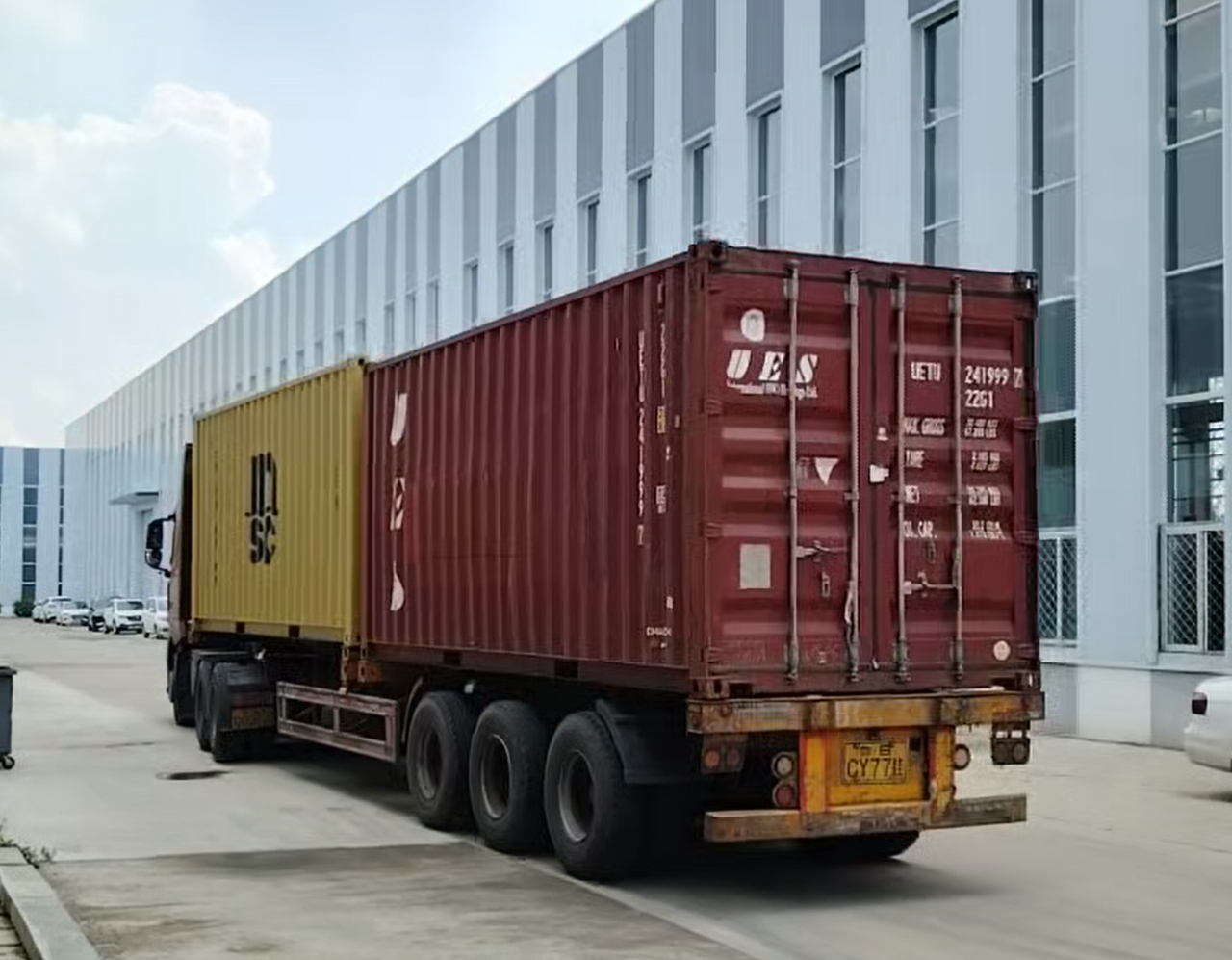
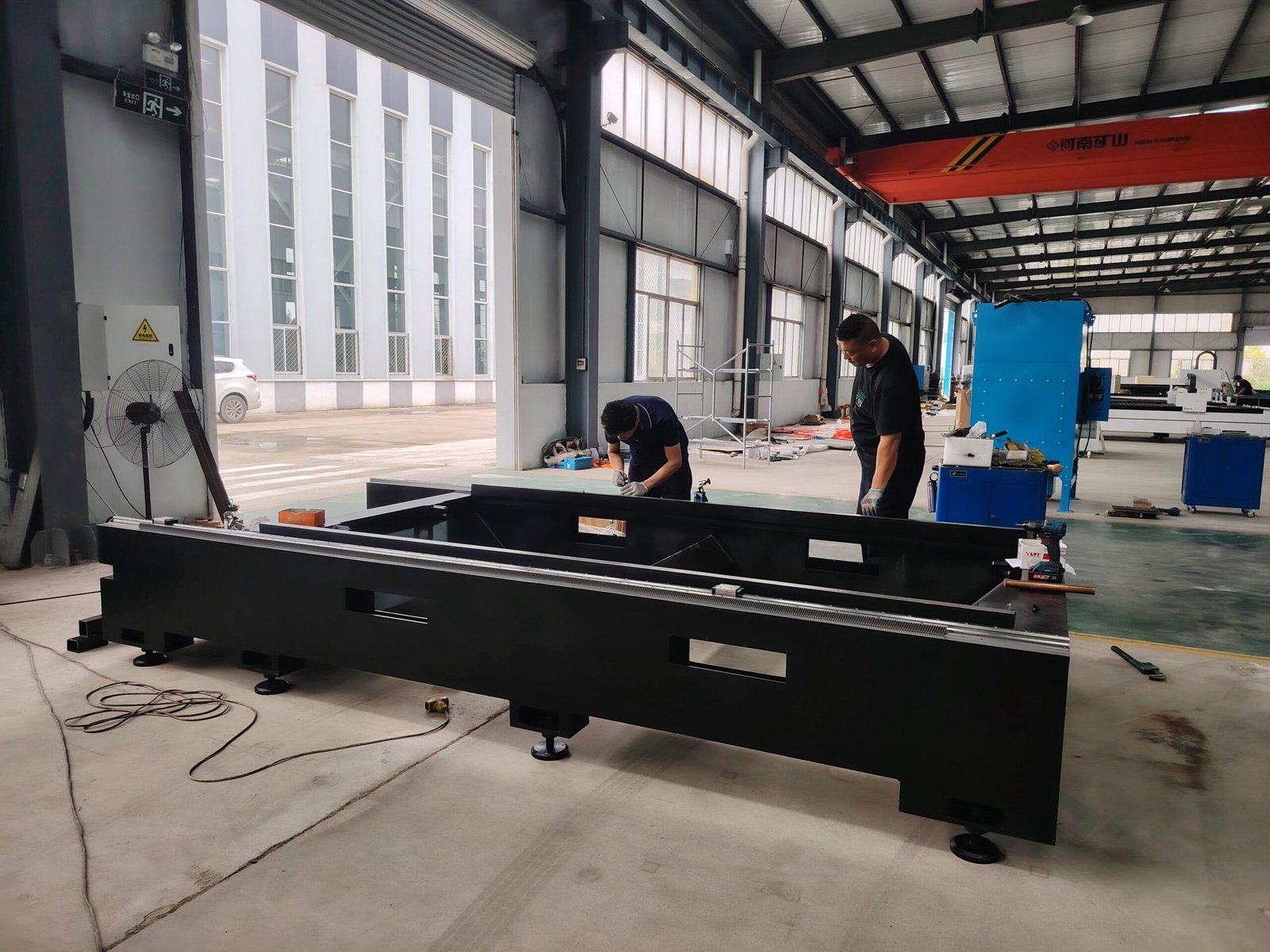
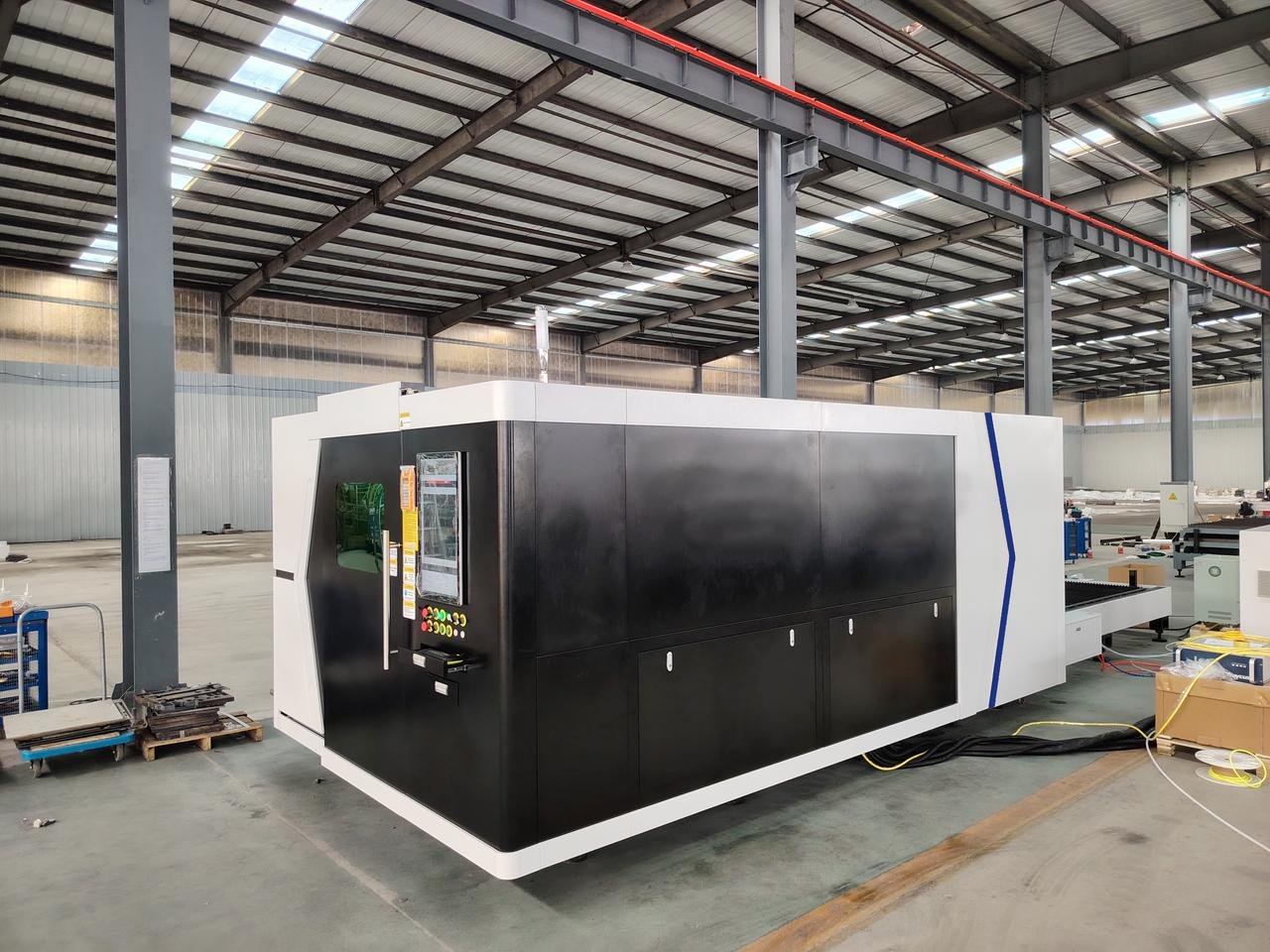
Heavy machinery packing must protect the machine, satisfy destination rules and make customs inspection easier. ISPM 15 applies to wood packaging material in international trade and is intended to reduce pest spread through treated and marked wood packaging.
| Item | What to Request | Decision Rule |
|---|---|---|
| Export wooden crate | ISPM 15 mark or compliant alternative | The mark should be visible before shipment. |
| Anti-rust protection | Oil, film and moisture control | Required for ocean freight. |
| Machine fixing | Base bolts, blocks and moving-part restraints | No uncontrolled movement in crate. |
| Accessory box | Tooling, spare parts and manuals listed | Match the packing list line by line. |
| Shipping marks | Buyer name, destination, crate number | Match invoice and packing list. |
| Photos | Before closing and after closing | Evidence for claims and receiving team. |
Customs, HTS and Importer Responsibility
The supplier can prepare export documents, but the importer remains responsible for correct import declaration in the destination country. For the United States, CBP states that the importing community and CBP share responsibility for compliance, and the HTS provides tariff-rate and statistical categories.
| Import Topic | Buyer Action | Evidence to Keep |
|---|---|---|
| HTS classification | Broker classifies the machine before deposit | HTS code and duty/tariff explanation |
| Importer of record | Named party is agreed before shipment | Broker instructions and PO language |
| Commercial invoice | Description matches machine and accessories | Final invoice copy |
| Packing list | Crate size, weight and contents match | Packing list and photos |
| Bill of lading | Consignee and notify party correct | Draft approval before release |
| Duty/tariff estimate | Budget includes duty, tariff and fees | Broker written estimate |
| Laser compliance | 21 CFR 1040.10 / 1040.11 considered for laser products | Supplier documents and broker notes |
Customs Note
This article is not customs or legal advice. Use a licensed customs broker for the destination country before final purchase approval.
After-Sales Support and Spare Parts
Import risk continues after delivery. The machine needs installation support, operator training, troubleshooting and consumable planning.
| Support Item | Minimum Planning Rule | Lifecycle Impact |
|---|---|---|
| Remote support | Time-zone coverage and response path written in order | Reduces downtime in first 30 days. |
| Installation guidance | Video, manual or on-site option agreed before shipment | Reduces commissioning errors. |
| Spare parts | Consumables and critical parts listed | Avoids 2-4 week wait for small failures. |
| Warranty | Scope and exclusions written clearly | Prevents dispute after arrival. |
| Software/controller support | Backup files and parameters supplied | Faster recovery after reset. |
| Maintenance calendar | 1 month, 6 month and 12 month checkpoints | Keeps machine stable after handover. |
Source: HORISTAR Service and After-Sales Support workflow and export support planning.
RFQ Input List
Send a complete import RFQ package so HORISTAR quotes the machine and export workflow together.
- Machine type: laser cutter, laser welder, press brake, CNC lathe, deburring machine or digital knife cutter.
- Material, thickness, part size and production target.
- Required voltage, frequency and destination country.
- Preferred Incoterms 2020 term and named place.
- Required certificates or documents.
- HTS/import broker contact if already selected.
- Need for sample testing or FAT video.
- Packing requirements, crate marking and receiving-site restrictions.
- Preferred payment term and inspection milestone.
- Installation plan: remote guidance, distributor, third-party technician or on-site support.
Get Import Quote Support
To request a quote, send your machine specification and destination country through Contact HORISTAR. HORISTAR then returns machine configuration, document list, production timeline and shipping-support path for review.
Specification Checklist
Use this checklist to compare equipment quotations and shipment-readiness evidence.
| Checklist Item | Required Before Deposit | Required Before Balance |
|---|---|---|
| Machine specification | Material, size, tolerance and voltage defined | No major change after production |
| Quotation basis | Incoterms 2020 term and named place | Final invoice matches quotation |
| Certificates | Required document list agreed | PDFs supplied and reviewed |
| Sample / FAT | Test plan agreed | Video, photos and measured result supplied |
| Packing | Crate method and ISPM 15 need agreed | Photos, dimensions and gross weight supplied |
| Customs | Broker and HTS review started | Invoice, packing list and B/L draft approved |
| Payment | Deposit/balance milestone agreed | Balance released after acceptance evidence |
| Support | Warranty, training and spare parts defined | Manuals and support contacts supplied |
Frequently Asked Questions
For most machinery orders, prepare the commercial invoice, packing list, bill of lading, certificate of origin if required, manuals, electrical diagram, test report, certificate files, warranty terms and packing photos. Laser products for the U.S. need additional radiation-safety attention under 21 CFR 1040.10 and 1040.11, so involve your broker early.
DAP or DDP is simpler when the buyer lacks freight and customs experience, but the quotation must list exactly what is included. FOB gives the buyer more freight control and is common for experienced importers. Use the named place and version, such as “FOB Shanghai, Incoterms 2020,” in every quotation.
Plan separately for configuration, production, pre-shipment testing, sea freight and inland delivery. Standard production is often planned around 25-45 days, while ocean transit to Europe or North America is often planned around 30-45 days. Custom automation, port congestion, customs exams and site readiness add time.
No. Before balance payment, request serial-number photos, power-on video, sample test result, packing photos, crate dimensions, document drafts and spare-part list. A 30% deposit and 70% pre-shipment balance is common, but the balance should follow factory acceptance evidence, not only a calendar date.
The importer and customs broker are responsible for destination import declaration. The supplier can provide invoice, packing list, product description and certificate documents, but HTS classification, duty/tariff estimate, importer-of-record setup and local tax treatment should be confirmed by the buyer’s broker before final landed-cost approval.
Content Review Record
Technical review record: reviewed by the HORISTAR export support team on 2026-06-22; scope included 5 FAQ answers, 7 procurement tables, 1 landed-cost calculation, export document workflow, Incoterms mapping and standards/regulatory sources.
References
- International Chamber of Commerce, Incoterms 2020.
- International Trade Administration, Know Your Incoterms.
- U.S. Customs and Border Protection, Using a Customs Broker for U.S. Imports.
- U.S. Customs and Border Protection, Requirements for Importing Specific Goods.
- U.S. International Trade Commission, Harmonized Tariff Schedule.
- IPPC/FAO, ISPM 15 wood packaging material standard.
- eCFR, 21 CFR 1040.10 Laser products and 21 CFR 1040.11 Specific purpose laser products.
- ISO, ISO 9001 quality management.
- ISO, ISO 12100:2010, safety of machinery – risk assessment and risk reduction.
- ISO, ISO 13849-1:2023, safety-related parts of control systems.
- IEC, IEC 60204-1:2016, electrical equipment of machines.
- IEC, IEC 60825-1:2014, safety of laser products.