CNC deburring and manual deburring both remove burrs, but they solve different production problems. Manual deburring is flexible and low cost to start. CNC deburring is better when burr removal becomes repetitive, labor-intensive, inconsistent or risky for workers.
For sheet metal factories using laser cutting, punching, plasma cutting or machining every day, a CNC sanding deburring machine can improve edge consistency, reduce hand grinding, prepare parts for coating and increase finishing throughput. Manual deburring still has value for prototypes, low-volume parts, internal corners, complex shapes and final touch-up.
CNC deburring is best for repeated sheet metal production where the factory needs consistent burr removal, edge rounding, oxide removal, lower labor dependence and safer handling. Manual deburring is best for low-volume parts, repair work, complex internal features and finishing tasks that require human judgment. A factory should consider automation when manual deburring becomes a daily bottleneck, edge quality varies by worker or finishing labor cost is affecting delivery and profit.
What Is Manual Deburring?
Manual deburring removes burrs, sharp edges, slag and rough surfaces by hand. Workers may use files, scrapers, sanding blocks, flap wheels, angle grinders, abrasive belts or handheld polishing tools.
Manual deburring is common because it is:
- Easy to start
- Flexible for unusual parts
- Low in equipment investment
- Useful for repair work
- Practical for prototypes and small batches
- Able to reach certain internal corners or special details
The weakness of manual deburring is that quality depends heavily on the operator. Pressure, angle, abrasive condition and fatigue all affect the final result.
What Is CNC Deburring?
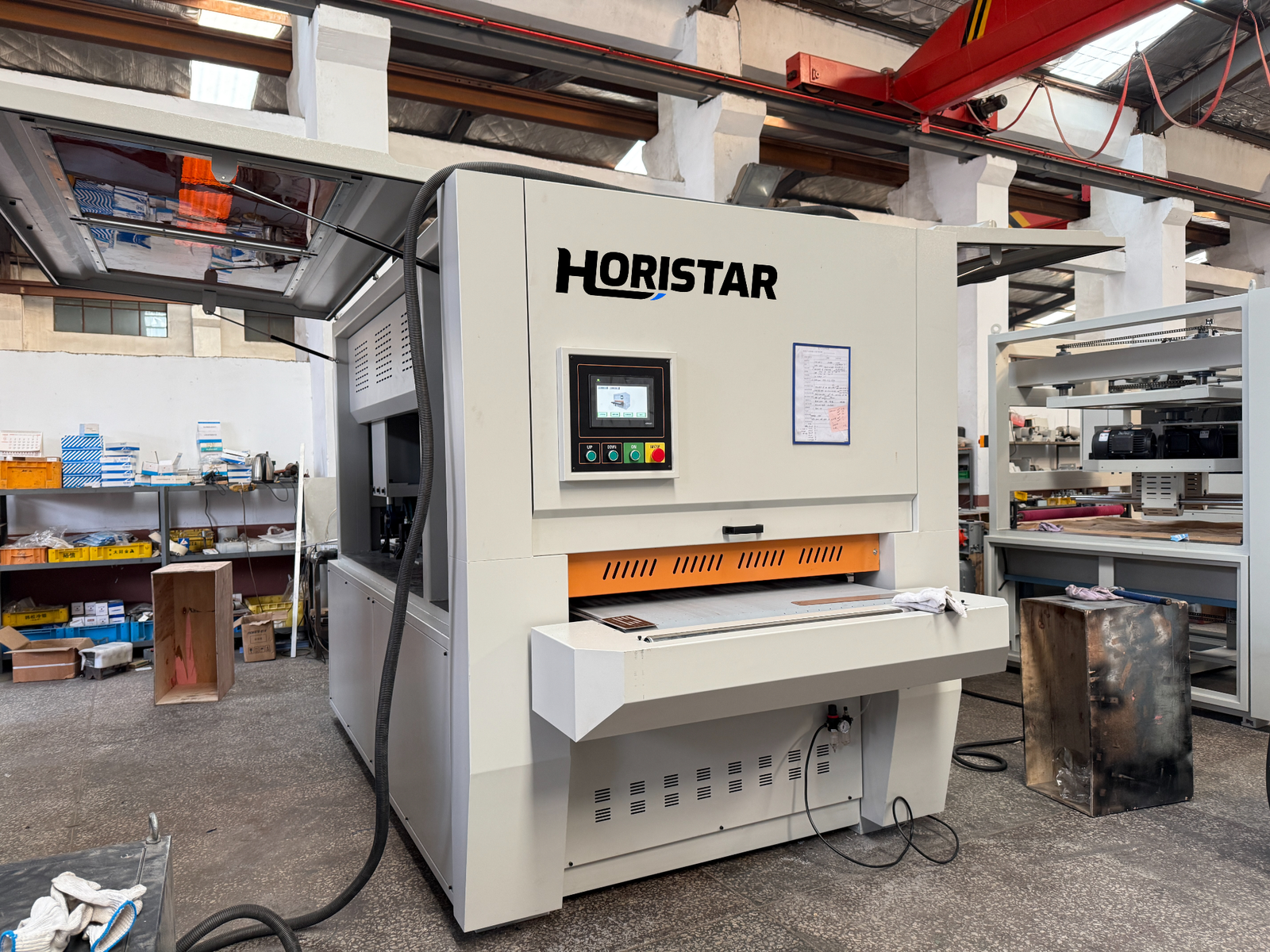
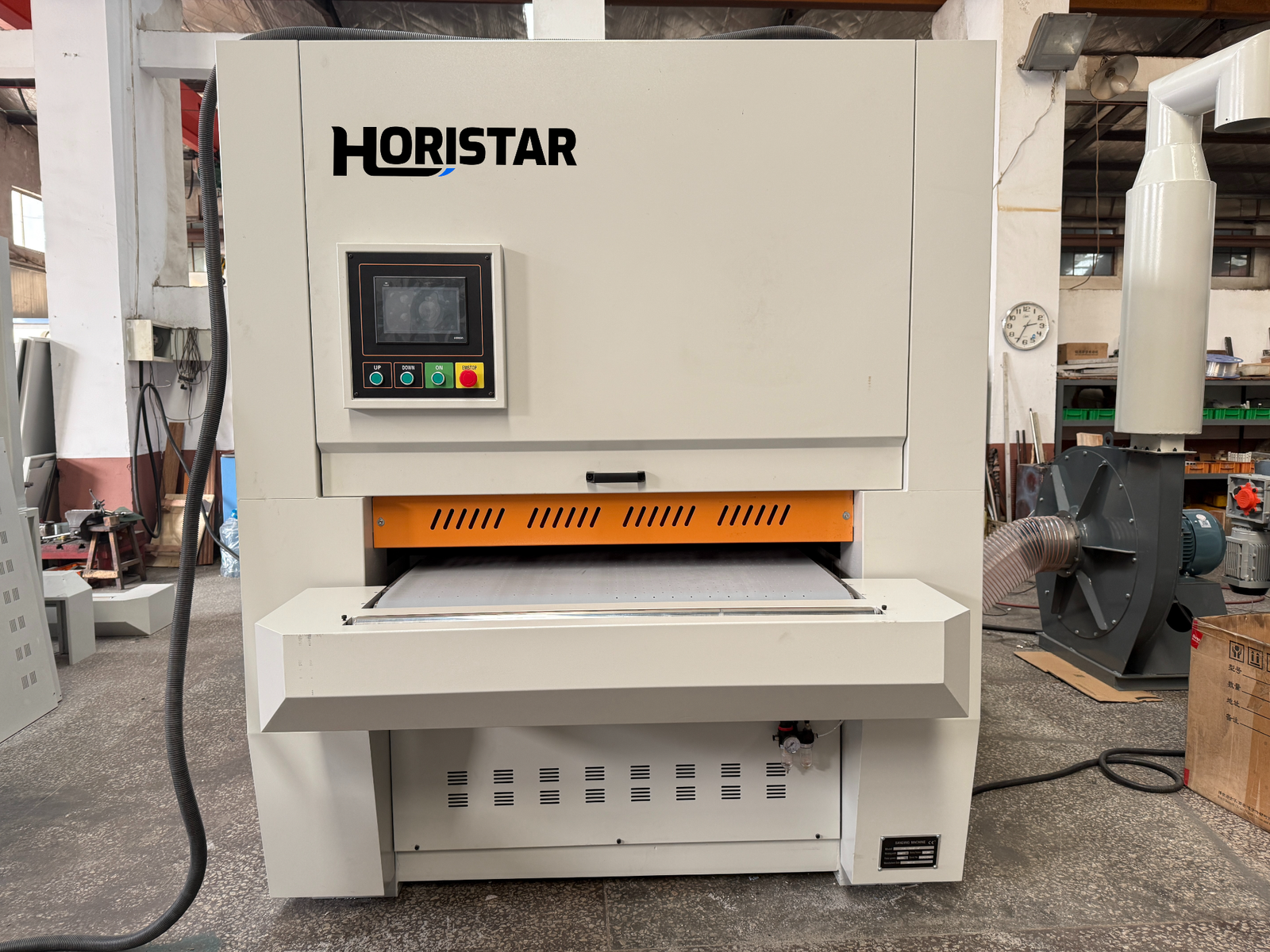
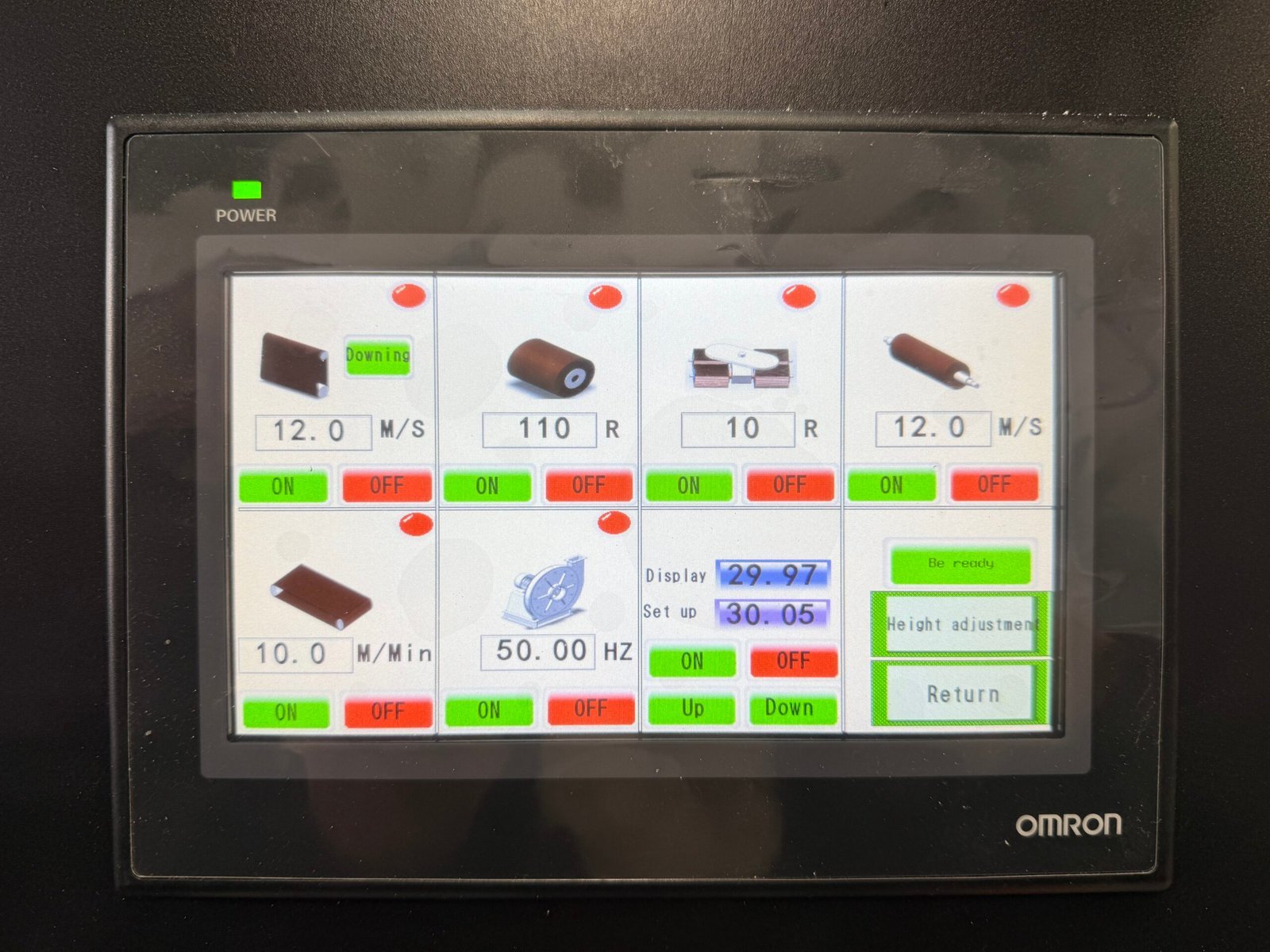
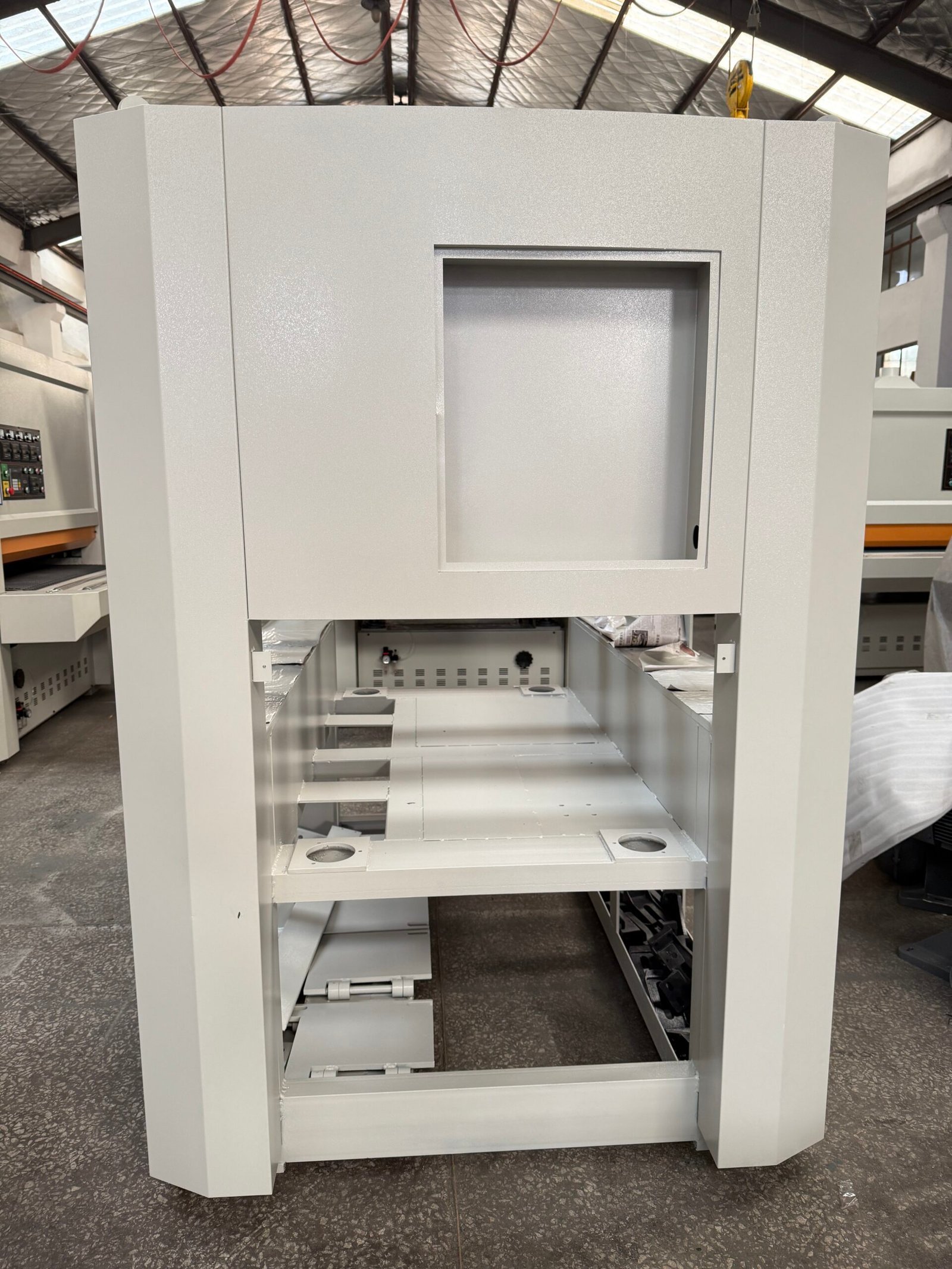
CNC deburring uses an automatic machine to remove burrs, round edges, clean oxide layers and finish surfaces. A CNC sanding deburring machine may use abrasive belts, brush rollers, sanding heads, edge rounding units or oxide removal tools depending on configuration.
CNC deburring is commonly used after:
- Fiber laser cutting
- CO2 laser cutting on metal-capable systems
- Plasma cutting
- Punching
- Shearing
- Drilling & Milling
- General sheet metal fabrication
The goal is not only to remove burrs. The goal is to produce parts with repeatable edge quality and reduce the manual finishing burden.
CNC Deburring vs Manual Deburring: Core Comparison
| Factor | CNC Deburring | Manual Deburring | Buyer Meaning |
|---|---|---|---|
| Startup cost | Higher | Lower | Manual is easier to start; CNC requires investment. |
| Cost per repeated part | Often lower after volume increases | Often higher | CNC becomes valuable when finishing work is frequent. |
| Edge consistency | High repeatability | Depends on worker skill | CNC is stronger for stable quality. |
| Speed | Better for repeated batches | Slower for volume work | CNC reduces finishing bottlenecks. |
| Flexibility | Best for suitable parts and batches | Very flexible | Manual is useful for unusual details. |
| Safety | Less direct hand contact with sharp burrs | Higher cut and fatigue risk | CNC improves workshop safety. |
| Coating preparation | More uniform edge rounding | Can vary | CNC helps before powder coating and painting. |
| Best role | Main finishing process for batches | Touch-up, repair and special areas | Many factories use both. |
Why Burr Removal Is Not Optional
Burrs are not only cosmetic. They can affect the safety and function of the finished product.
Poor deburring can cause:
- Cuts during handling
- Assembly interference
- Poor powder coating adhesion
- Paint failure near sharp edges
- Welding preparation problems
- Scratches during packing
- Inconsistent part dimensions
- Customer complaints and extra rework before shipment
For exported sheet metal parts, edge quality may become part of customer inspection. A part that is dimensionally correct can still be rejected if burrs and sharp edges are unacceptable.
When to Choose Each Method
✋ Choose Manual Deburring When…
- Production volume is low
- Parts are prototypes or one-off samples
- Burrs appear only in small areas
- Parts have complex internal corners
- The part is too delicate for machine processing
- Not enough repeated work to justify automation
- The finishing decision requires human judgment
- Only final touch-up is needed after machine processing
🤖 Choose CNC Deburring When…
- Workers deburr sheet metal parts every day
- Laser cutting or punching creates repeated burrs
- Manual grinding delays delivery
- Different workers produce different edge quality
- Sharp parts create safety issues
- Customers require uniform edge rounding
- Parts need painting or powder coating
- Production volume is increasing
Simple Cost Model for Deburring Automation
Use this formula to estimate whether CNC deburring is worth evaluating:
manual deburring hours per day × labor cost per hour × working days per month
Then compare it with the expected machine cost, abrasive cost, electricity, maintenance and operator time.
Worked Example
Assume 2 workers each spend 4 hours per day deburring, at a labor cost of 5 USD per hour, over 22 working days per month:
2 workers × 4 hours × 5 USD × 22 days = 880 USD / month
≈ 10,560 USD / year (labor only)
Against this, compare the HORISTAR machine investment and monthly running costs (abrasive belts, brushes, electricity, dust filter) to calculate your specific payback period. Contact HORISTAR for a real-number payback estimate based on your production volume.
| Situation | Meaning |
|---|---|
| Manual deburring is less than 1 hour per day | Manual may still be reasonable. |
| Manual deburring is 2–4 hours per day | Start evaluating automation if quality or delivery is affected. |
| Manual deburring is a full-time job for one or more workers | CNC deburring should be seriously evaluated. |
| Manual deburring delays shipping | Automation may have value beyond labor savings. |
| Customers reject parts for edge quality | Consistency may matter more than labor cost. |
Do not calculate only labor savings. Rework reduction, faster delivery, safer handling and coating quality can also create significant value.
CNC Deburring After Laser Cutting
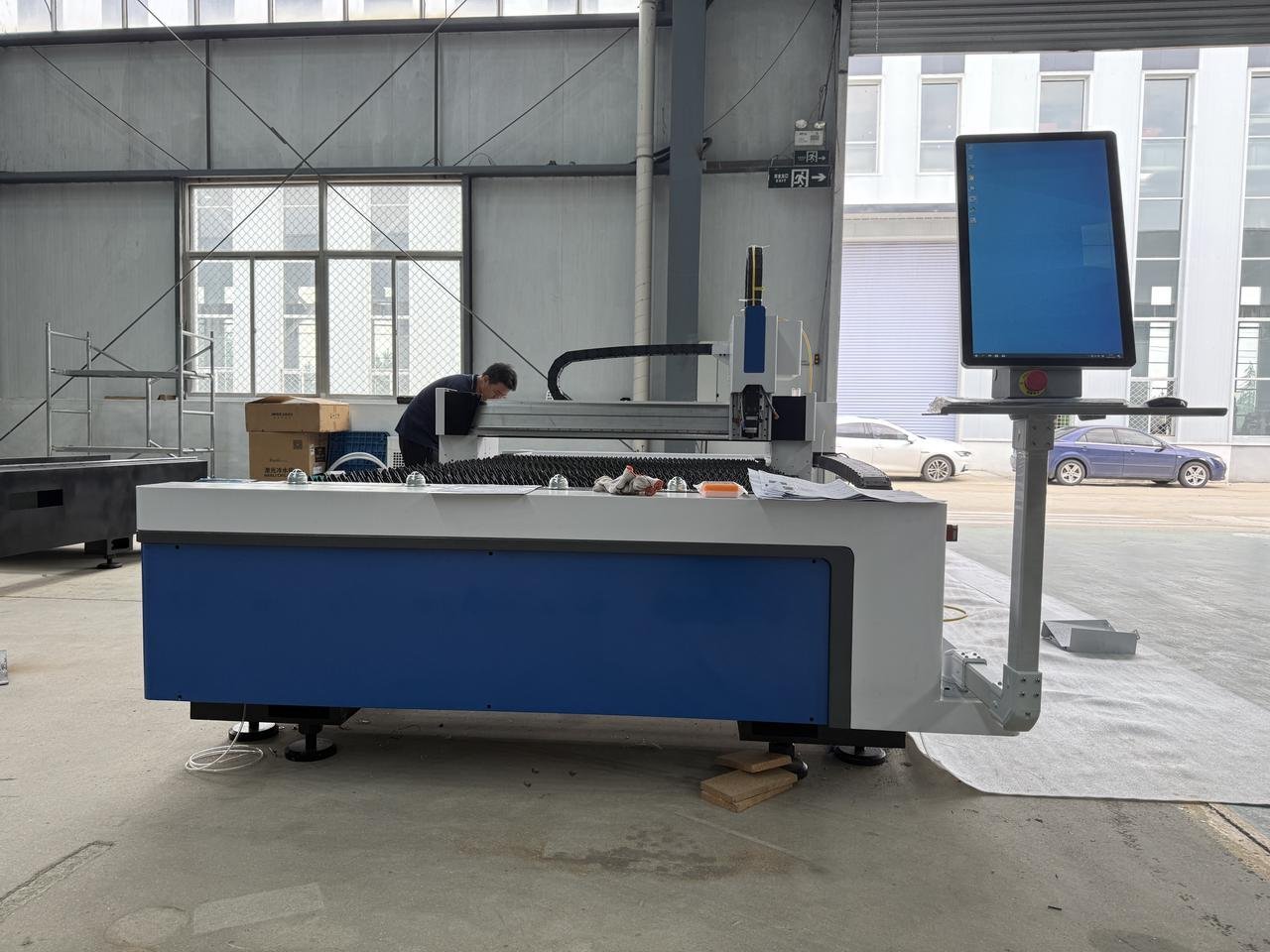
Laser cutting can leave bottom burr, dross, slag or oxide depending on material, thickness, gas and cutting parameters. CNC deburring is often used after laser cutting to prepare parts for downstream processes.
Common goals include:
- Removing bottom burrs
- Rounding sharp edges
- Removing oxide layer from oxygen-cut carbon steel
- Preparing parts for welding
- Preparing parts for powder coating or painting
- Reducing hand grinding
- Improving appearance and handling safety
If your laser cutting line is fast but finishing is slow, the deburring process may be the real production bottleneck.
CNC Deburring After Punching
Punching can create burrs around holes, slots and outer edges. Punched parts often contain repeated features, which makes manual deburring time-consuming.
CNC deburring is useful for punched parts that need:
- Safer edges
- More consistent hole edge treatment
- Cleaner surface preparation
- Lower manual finishing time
- Stable batches before coating
For punched sheet metal parts, the cost of manual finishing often grows with the number of holes and edges, not only with part size.
Edge Rounding vs Burr Removal
Burr removal and edge rounding are related but not identical.
| Process | Goal | Typical Result |
|---|---|---|
| Burr removal | Remove raised burrs or sharp residue | Safer and cleaner edge |
| Edge rounding | Create a controlled radius on the edge | Better handling and coating preparation |
| Oxide removal | Clean oxide layer after oxygen cutting | Better welding and coating readiness |
| Surface sanding | Improve surface appearance | More uniform surface texture |
As a reference, general edge rounding for handling safety is often in the 0.1–0.5 mm radius range, while a heavier radius for demanding powder coating preparation can reach roughly 1–2 mm depending on material and machine setup.
Why Edge Rounding Matters for Powder Coating
Powder coating and painting can be weaker on sharp edges because coating thickness is difficult to maintain at the edge. Edge rounding can help create a more stable surface for coating.
Edge rounding is especially important for:
- Electrical cabinets and enclosures
- Machinery covers
- Elevator parts
- Outdoor metal products
- Parts handled by end users
- Stainless or painted visible components
If customers complain about coating failure near edges, the deburring process should be reviewed first.
Machine Configuration: What the Terms Mean
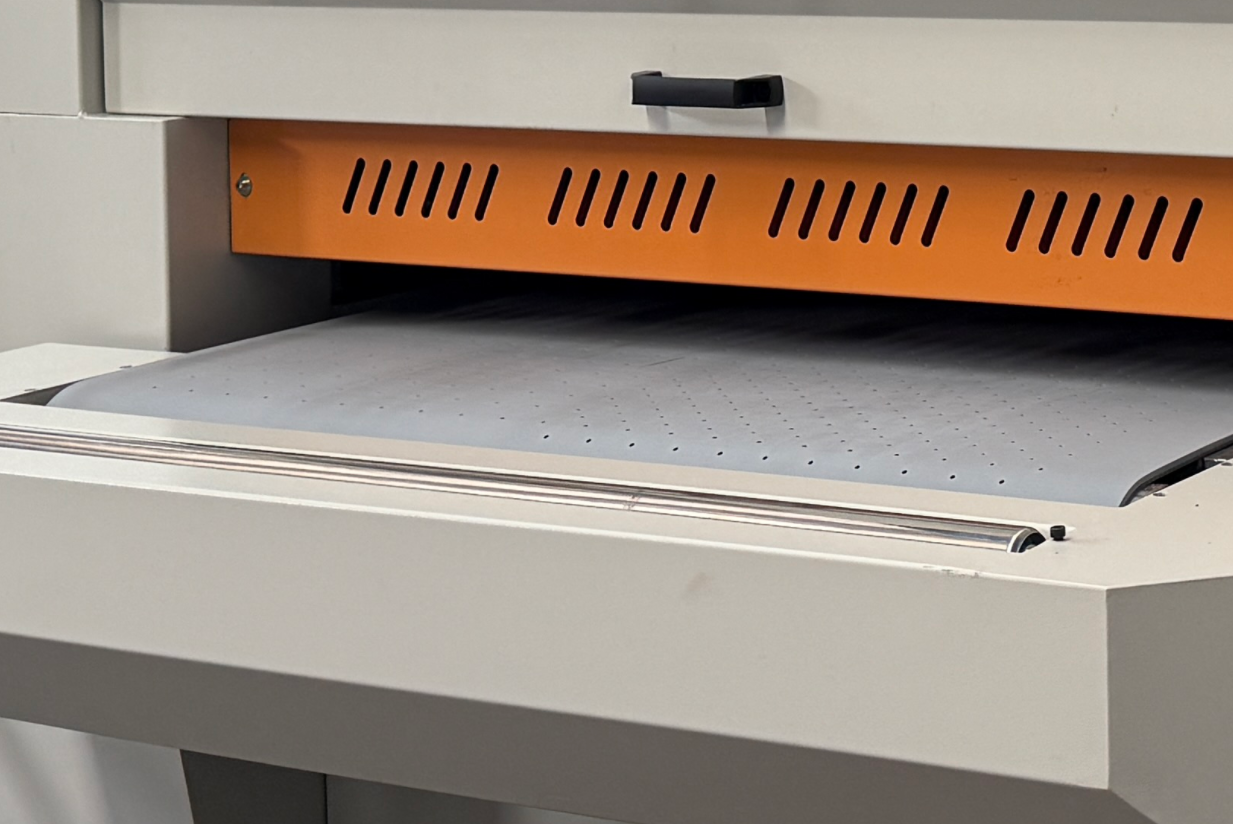
| Unit | Function | Use Case |
|---|---|---|
| Abrasive belt | Removes burrs and surface defects | General burr removal and sanding |
| Brush roller | Rounds edges and treats contours | Edge rounding and uniform finishing |
| Disc brush | Reaches edges from multiple directions | More complete edge rounding |
| Oxide removal brush | Removes oxide layer | Oxygen-cut carbon steel parts |
| Vacuum table / conveyor | Holds and moves parts | Stable processing |
| Dust collection | Removes grinding dust | Cleaner and safer workshop |
HORISTAR offers two main models. Both process material from 0.5–100 mm thick, handle parts down to 50 × 50 mm, and produce an edge chamfer of R0.1–0.5 mm at a feeding speed of 0.5–6 m/min.
| Specification | HM-1000G-W | HM-1300G-W |
|---|---|---|
| Working Width | 1000 mm | 1300 mm |
| Grinding Rollers | 6 | 8 |
| Processing Thickness | 0.5–100 mm | 0.5–100 mm |
| Feed Speed | 0.5–6 m/min | 0.5–6 m/min |
| Edge Chamfer | R0.1–0.5 mm | R0.1–0.5 mm |
| Machine Weight | 2800 KG | 4500 KG |
| Voltage | 380V 50/60 Hz | 380V 50/60 Hz |
Hybrid Workflow: CNC Plus Manual Touch-Up
Many factories should not think in terms of “CNC or manual.” A hybrid workflow is often best:
- CNC deburring removes most burrs and rounds outside edges.
- Workers inspect the parts.
- Manual tools are used only for special internal corners or touch-up.
- Parts move to coating, welding, assembly or packing.
This workflow reduces manual labor while keeping flexibility for complex features.
How to Decide If You Should Automate
| Question | If Yes… | Recommended Action |
|---|---|---|
| Do workers deburr parts every day? | Yes | Evaluate CNC deburring. |
| Is manual deburring delaying delivery? | Yes | Automation may remove the bottleneck. |
| Does edge quality vary by worker? | Yes | CNC can improve consistency. |
| Are sharp burrs causing safety risk? | Yes | Edge rounding automation may help. |
| Do parts need coating or painting? | Yes | Consider consistent edge rounding. |
| Is production volume very low? | Yes | Manual deburring may still be enough. |
| Are parts highly irregular or formed? | Yes | Manual or hybrid finishing may be better. |
What to Send for a Deburring Machine Quote
Before requesting a machine recommendation, prepare:
- Material type: carbon steel, stainless steel, aluminum or other metal
- Thickness range
- Part size range
- Burr photos
- Current cutting process
- Required finish: burr removal, edge rounding, oxide removal or surface sanding
- Daily or monthly part volume
- Current manual deburring time per part
- Whether parts are flat or formed
- Whether parts need coating, welding or assembly after deburring
- Sample parts if available
This information allows the supplier to recommend machine width, abrasive units, brush configuration, conveyor type and dust collection needs.
Frequently Asked Questions
Conclusion
Manual deburring is flexible and easy to start, but it becomes expensive when it consumes daily labor, delays delivery or creates inconsistent quality. CNC deburring requires investment, but it can improve throughput, edge consistency, coating preparation and worker safety in repeated sheet metal production.
The strongest workflow is often not full replacement. Many factories use CNC deburring for the main burr removal and edge rounding process, then reserve manual finishing for complex details. The correct decision depends on volume, part shape, burr condition, finish requirement and labor cost.