Nitrogen Supply for Fiber Laser Cutting: Cylinders, Bulk Liquid or On-Site Generation?
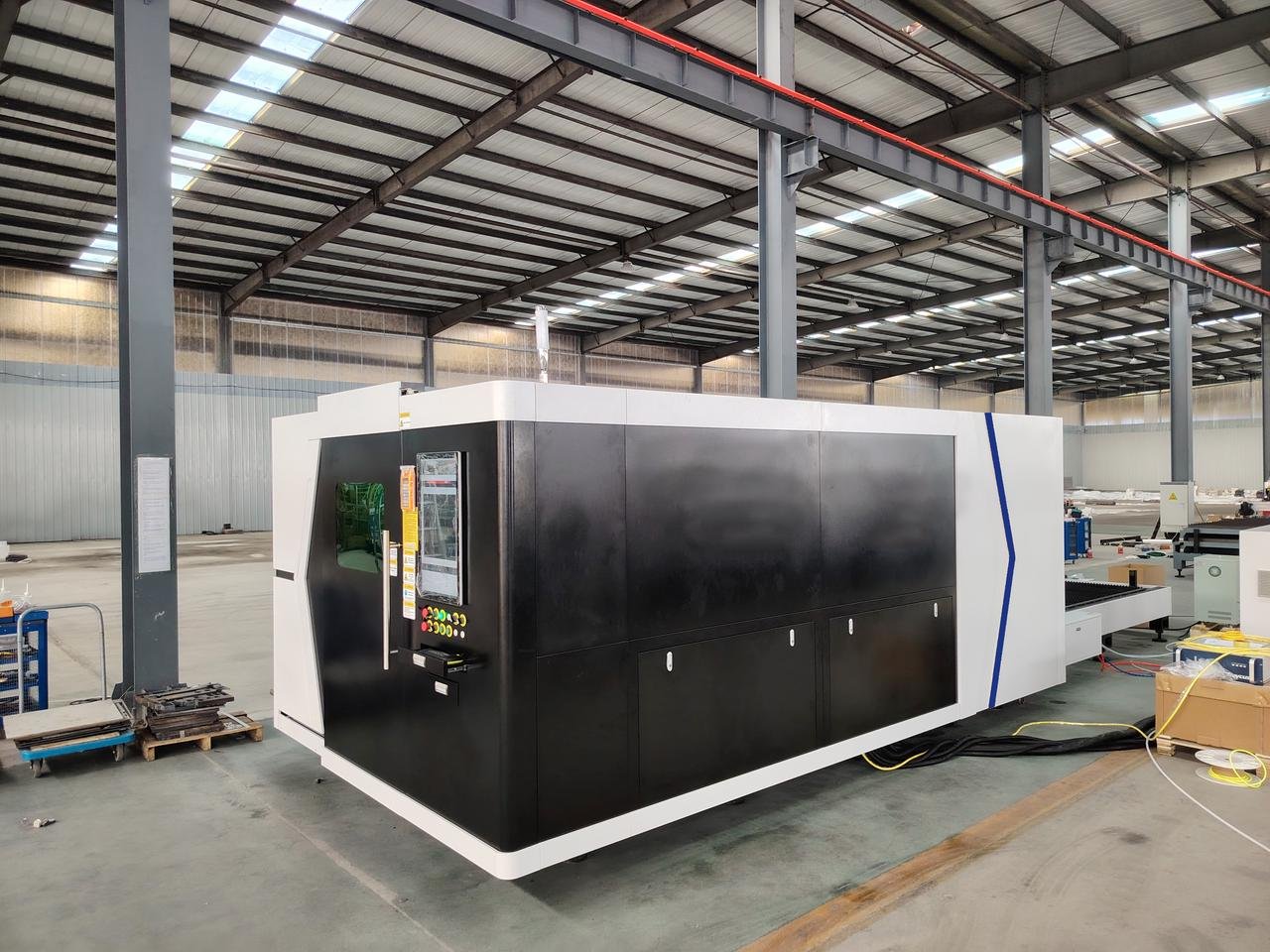
Choose nitrogen supply by the demand the system must deliver at the laser, not by the lowest advertised gas price (source: original procurement framework supported by the system-sizing references below). Use cylinders for a quoted intermittent or backup duty, investigate bulk liquid for a recurring load supported by the delivery contract, and investigate on-site generation only when measured utilization and a complete installed-cost model support it. The deciding factors are usable flow, pressure, purity, operating pattern, installed cost and the plan for an interrupted supply.
This comparison starts after nitrogen has been selected for the cutting process. It does not replace the laser manufacturer’s gas specification or decide whether nitrogen, oxygen or air is appropriate for a particular material. If machine power and material capacity are still being selected, begin with HORISTAR’s fiber laser power and sheet-metal thickness guide.
Define the Supply Requirement Before Comparing Prices
Ask the machine supplier for the required gas quality, inlet-pressure range and demand under the intended cutting conditions. Give the gas-system supplier the same requirement, including any planned additional lasers.
A larger storage vessel or generator does not automatically fix poor delivery at the point of use. Air Products describes cases where distribution piping, rather than nitrogen production capacity, constrained supply. Its selection guidance considers flow, pressure, purity and demand pattern together. Air Products: Meeting Nitrogen Demand.
Create a common requirement sheet:
| Input | What to record | Why / source for every quotation |
|---|---|---|
| Production mix | Materials, thicknesses, nozzles and approved cutting recipes | A quoted system must serve the intended jobs |
| Gas specification | Required purity, moisture and contamination limits | Quality requirements define an acceptable supply |
| Pressure | Required range at the machine inlet under flow | Static supply pressure is not the acceptance condition |
| Demand profile | Peak flow, peak duration, average use and idle periods | Short bursts and sustained demand need different analysis |
| Operating schedule | Productive hours, shifts and planned downtime | Determines utilization and replenishment opportunities |
| Expansion | Additional machines and expected simultaneous operation | Prevents a future load from being hidden in an average |
| Site conditions | Space, utilities, ambient conditions and delivery access | Defines the actual installation scope |
| Continuity target | Acceptable interruption and backup duration | Gives the backup quotation a measurable purpose |
Use a representative operating log where available. For a new installation, label the demand profile as provisional and make commissioning measurements part of acceptance. A purchase order based on an estimate should not present that estimate as proven consumption.
How the Three Supply Routes Compare
Delivered high-pressure gas, delivered liquid and generation on site are distinct supply arrangements. Portable liquid containers can also be an intermediate option; do not confuse them with a permanent bulk installation. Advanced Gas Technologies describes these nitrogen supply methods.
The following comparison is a procurement framework. It does not establish a universal consumption threshold for switching between methods.
| Route / source | Reasons to investigate it | Items that can overturn the apparent advantage | Quote must identify |
|---|---|---|---|
| Cylinders or cylinder packs | An initial installation, intermittent workload or backup duty | Changeovers, delivery frequency, handling and insufficient usable discharge | Pack arrangement, changeover method, usable supply and delivery terms |
| Bulk liquid with suitable vaporization and pressure provision | A substantial recurring load with dependable delivered supply | Site works, rental, contract terms, replenishment access and delivery capacity | Tank and gas-delivery system, guaranteed duty, site responsibilities and reserve policy |
| On-site generation | Sustained utilization and a business case for producing gas locally | Capital, electricity, maintenance, required purity and continuity arrangements | Complete system performance, utilities, service scope and backup plan |
Avoid treating the names as performance guarantees. A cylinder pack must still meet the required draw-off conditions. A bulk package must deliver usable gas at the required duty. A generator must meet the specification as an installed system, not merely at an isolated component’s outlet.
Separate Peak Demand From Average Consumption
Annual use helps compare operating cost. Peak demand and its duration set the minimum delivery duty for a demanding cut. Keep both in the specification.
For generation, request the capacity at the required purity and stated inlet conditions. Parker’s laser-nitrogen documentation shows that capacity and purity are linked and identifies pressure, temperature and flow as relevant conditions. It also describes a system combining gas generation, pressure boosting and storage. Do not reuse a catalog flow figure without its conditions. Parker laser-nitrogen system documentation.
Storage may bridge a temporary difference between production and consumption, but it must be replenished before the next demand period. Gas Generation Solutions describes demand logging and storage as part of laser-system sizing. Laser nitrogen system sizing.
Ask the designer to demonstrate two conditions separately: the most demanding sustained production period, and the proposed peak-and-recovery cycle. A buffer that works for an isolated burst is not evidence that the system can support repeated bursts throughout a shift.
The same distinction belongs in a bulk-liquid proposal: ask for delivery performance during the specified demand period and site conditions, not only the tank’s nominal inventory. Let the qualified system supplier design pressure equipment, vaporization, regulation and storage. A buying worksheet is not a pressure-system design calculation.
Compare Costs at the Same Delivery Boundary
Choose one boundary for all bids: nitrogen delivered to the machine inlet at the specified quality, pressure and demand profile. Otherwise, an inexpensive generator-only quote can be compared incorrectly with a fully installed delivered-gas package.
The worksheet below is an analytical cost structure, not market pricing. Use quotations, invoices and measured or clearly labeled estimated energy consumption.
| Cost category | Cylinders / bulk liquid | On-site generation |
|---|---|---|
| Initial investment | Installation, connection, site works and purchased equipment | Generator, air treatment, compressor capacity, booster, storage, distribution and installation as applicable |
| Gas / energy | Delivered-gas invoices, reconciled to contract units | Electricity for the complete operating system |
| Fixed charges | Rental, minimum commitments and other quoted fees | Service agreements and other fixed operating commitments |
| Variable charges | Delivery, handling and fees not already included | Consumables and variable service costs not already included |
| Continuity | Reserve supply and agreed changeover arrangements | Backup gas, maintenance cover and changeover arrangements |
| Internal workload | Ordering, receiving, handling and administration | Inspection, maintenance coordination and operating oversight |
| Exit / change | Contract termination or equipment-removal terms | Disposal, replacement or relocation assumptions |
For a delivered route, begin with annual invoices and add only costs not already included. If purchased gas that is lost or left unused is already charged on those invoices, do not add its value again. Instead, compare purchased quantity with usable consumption to explain the difference.
For generation, include the incremental compressed-air burden even when a compressor already exists. Spare nameplate capacity is not evidence that additional air is free. Require the supplier’s energy assumptions in the quotation and measure the contracted energy inputs during commissioning.
Keep the units consistent. A liquid quantity, a cylinder’s physical volume and a normalized gas volume are not interchangeable entries. Ask suppliers to state the reference conditions for gas-volume figures and the conversion basis used in their quotations.
A Payback Calculation With Its Limits Exposed
For a simple screening calculation:
Annual operating saving = comparable annual delivered cost - comparable annual generation operating cost
Simple payback = incremental installed investment / annual operating saving
Use the second formula only when the saving is positive. Keep capital out of the annual operating cost for this calculation; otherwise, it is counted twice. For a full ownership-cost comparison, compare both routes over the same period with a consistent treatment of capital and residual value.
The following invented example demonstrates the arithmetic only:
| Assumption | Illustrative amount |
|---|---|
| Incremental installed investment for generation | USD 90,000 |
| Comparable delivered-route annual cost | USD 50,000 |
| Generation annual operating cost, including agreed backup | USD 22,000 |
| Annual operating saving | USD 28,000 |
| Simple payback | 90,000 / 28,000 = approximately 3.21 years |
Source: original illustrative calculation using only the assumptions in this table. These figures are not quotations, typical industry costs or HORISTAR customer results. The calculation excludes financing, tax and the time value of money.
Worked calculation: 90,000 USD / (50,000 USD - 22,000 USD) = 3.21 years (source: original illustrative arithmetic using the displayed table). Under these invented inputs, generation merits a detailed quotation because the annual saving is positive; approval still requires replacement of every illustrative input with quoted installed cost, measured duty and contracted backup cost.
Now change only generation’s annual operating cost to an assumed USD 32,000. The annual saving becomes USD 18,000 and simple payback becomes 5 years (source: the same illustrative model, with only this operating-cost assumption changed). That sensitivity is the point: the decision depends on utilization, energy and service assumptions, not a supplier’s headline savings percentage.
Also test reduced production. Both delivered and generated routes may contain fixed commitments, so neither annual cost should automatically be scaled in direct proportion to cutting hours. Recalculate fixed and variable items separately.
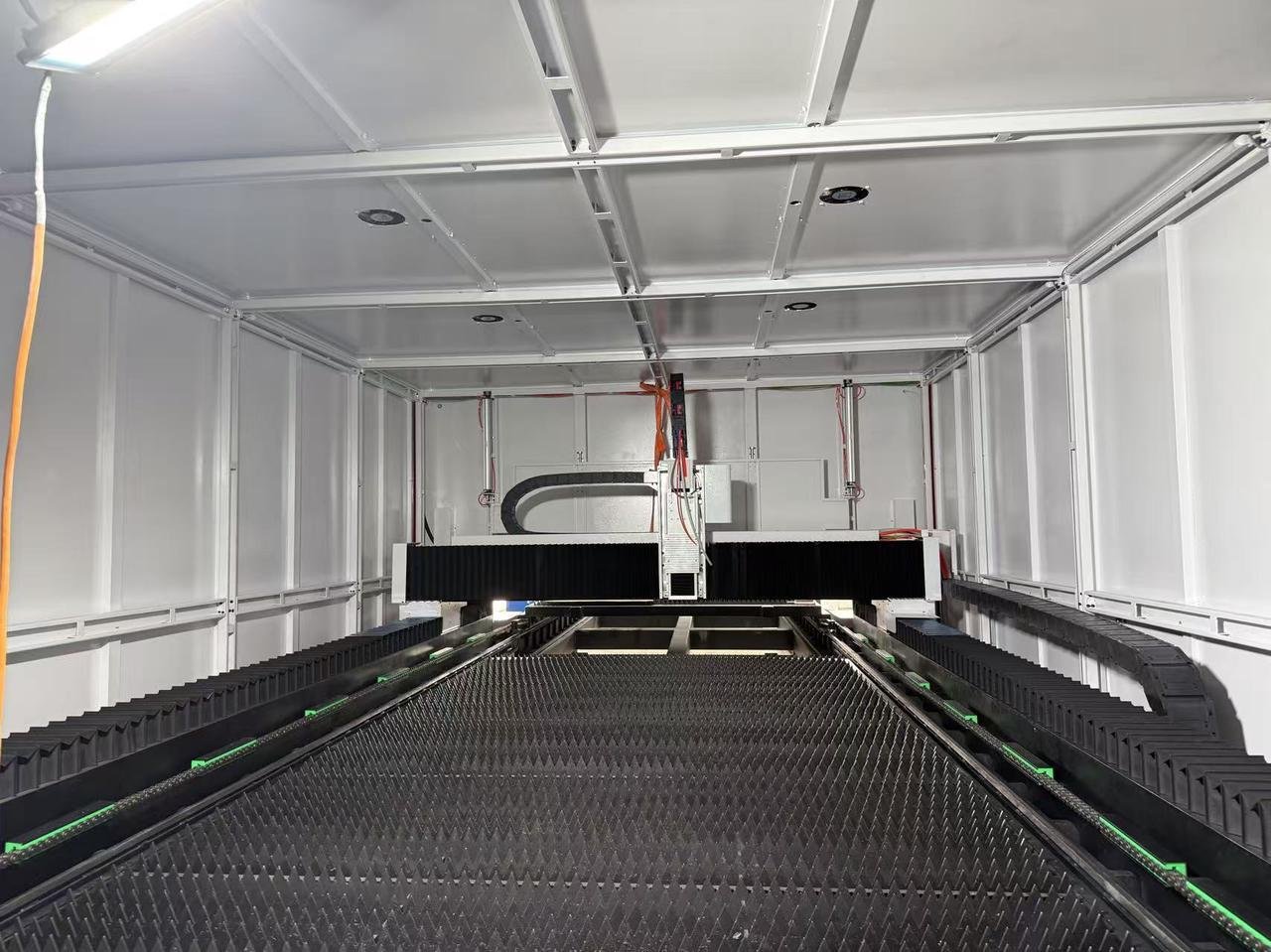
Give Backup Supply Its Own Acceptance Test
Define the backup event in the quotation: planned service, a delivery delay, a generator fault or another agreed interruption. The acceptance test must record detection, supply transfer and operator alert behavior for that event.
A backup source is only useful for production if it meets the same necessary gas conditions at the machine. Record the usable reserve under the agreed duty, who replenishes it, who tests the changeover and what happens when reserve is nearly exhausted. Do not assume that keeping a cylinder nearby constitutes an engineered backup system.
During commissioning, record machine-inlet pressure under the agreed duty, the required gas-quality evidence, alarm behavior, energy measurements where included in the contract and the backup demonstration. Use approved test procedures and qualified personnel; do not provoke unsafe failures to test the system (source: Air Products nitrogen safety guidance).
Common Procurement Questions
Is on-site generation always cheaper than delivered nitrogen?
No. Compare the same machine-inlet duty and include installation, electricity, maintenance, backup and fixed delivery charges. The worked example below the cost worksheet is illustrative, not a market-price claim; replace its inputs with site quotations and measured utilization.
Will a storage buffer cover every cutting peak?
A single isolated burst does not establish that a buffer will cover the intended duty. Ask the supplier to demonstrate the sequence of peaks, recovery time and sustained duty at the machine inlet, including distribution losses.
Does a spare cylinder make the system production-ready?
Not by itself. The quoted backup plan needs a usable reserve at the required pressure and quality, a documented transfer method, an operator alert and an agreed acceptance test.
Safety Is Part of the Installation, Not an Optional Upgrade
Nitrogen can displace oxygen without a sensory warning, and stored pressure adds hazards. Liquid supply also introduces cryogenic risks. A qualified assessment must address ventilation, oxygen-deficiency monitoring, pressure protection, safe discharge, handling and emergency arrangements for the actual site. Do not improvise storage or pressure connections. Air Products nitrogen safety guidance.
Generation changes how gas is supplied; it does not remove the need for gas-system safety controls.
Nitrogen Supply Specification and RFQ Inputs
The specification checklist and RFQ input list is: intended materials and thicknesses, approved cutting recipes, required purity, inlet-pressure range under flow, peak flow and duration, average use, productive hours, simultaneous machine count, site utilities, available space, delivery access, acceptable interruption and required backup duration (source: original synthesis of the cited demand and sizing references). Mark each value as measured, machine-specified or estimated.
Send those inputs and any measured gas-demand record with a HORISTAR laser inquiry. Request confirmation of the selected laser’s gas requirements, then obtain comparable supply proposals against that same specification and delivery boundary.
Contact HORISTAR engineering support with the completed specification to request a laser configuration review before the gas-supply RFQ is released.
Choose the route that meets the demand profile and continuity requirement at a defensible total cost (source: original decision rule defined by the common quotation boundary above). Cylinders are not automatically too expensive, bulk liquid is not automatically the next step, and generation is not automatically the cheapest. The decision becomes clearer when every supplier prices the same usable gas service.