- Start with routine jobs, not rare extremes. Size tonnage and length from the thickest regular material and longest regular bend, then add practical headroom.
- Tonnage is only one constraint. A press brake that has enough force still fails production when throat depth, stroke, open height, tooling or back gauge travel is wrong.
- Crowning is essential for long, accurate bends. Bed and ram deflection cause open angles in the middle of long parts; crowning compensates so the bend stays uniform.
- Safety must be specified before quotation. Press brake guarding should be mapped to recognized machinery-safety concepts and local import rules.
- Sample bends are stronger than brochure claims. Ask each supplier to bend your material, V-die condition and tolerance target before final commercial comparison.
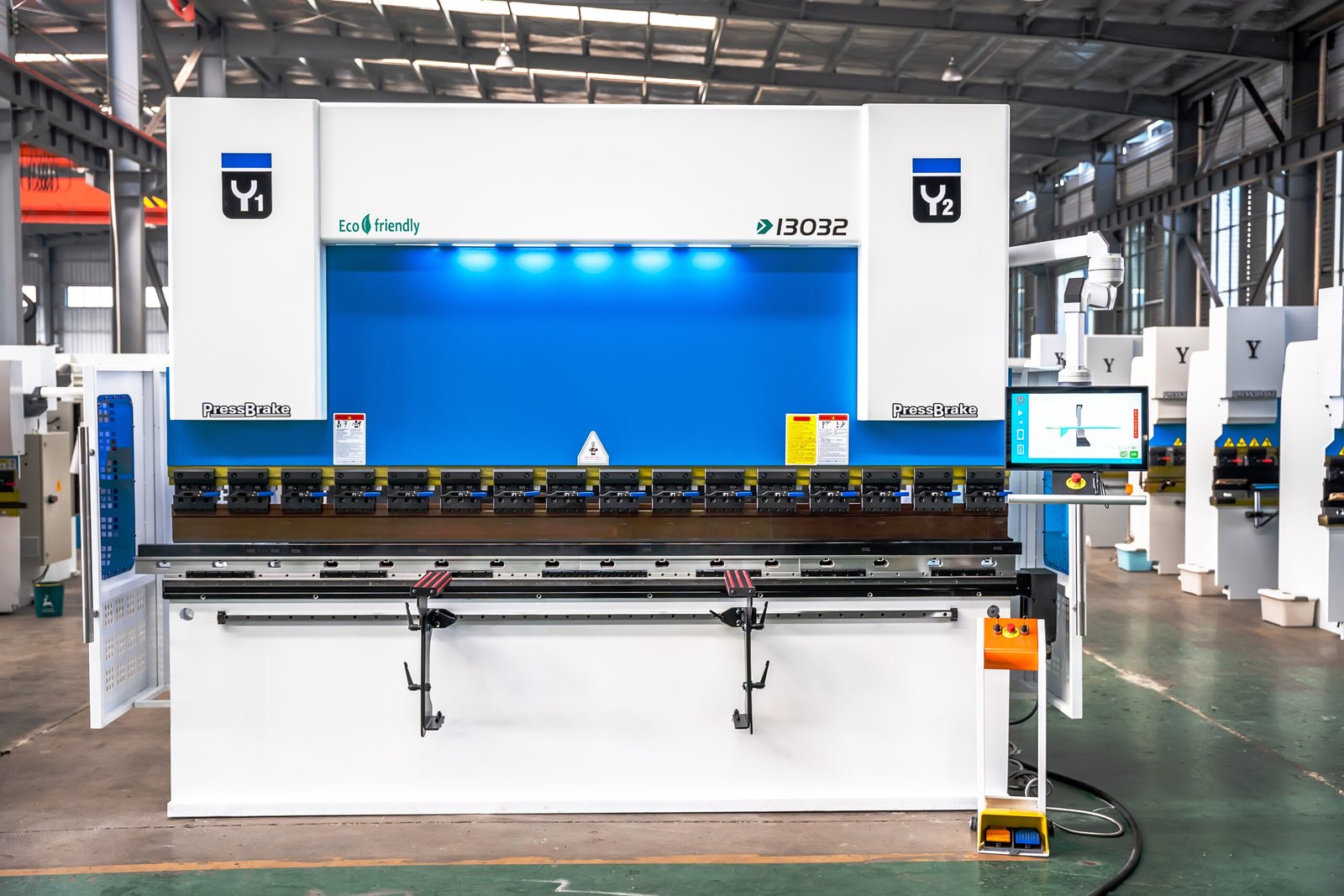
Choose a CNC press brake from the part drawing backward: material, thickness, bend length, bend angle, inside radius, flange height, tolerance, production volume and operator skill. Tonnage matters, but a strong press brake specification also needs frame rigidity, back gauge axes, CNC control, crowning, tooling, safety package, after-sales support and sample bending proof.
SERP Gap and Article Strategy
Current Google results for “how to choose a CNC press brake” include forum advice, general press brake selection articles and drive-type comparisons. The common gap is a buyer-ready specification workflow: what data to send, how to test sample bends, how to compare axes and controls, and which acceptance points should appear before shipment.
| SERP Pattern | What Buyers Usually Get | Missing Point | This Guide Adds |
|---|---|---|---|
| Forum discussion | Opinions on brands and reliability | No repeatable RFQ structure | Drawing-to-spec workflow |
| General buying guide | Tonnage, length and drive type | Limited sample-test detail | Sample bend record and acceptance checks |
| Tooling article | Tool selection advice | Not full machine procurement | Machine, tooling and support matrix |
| Manufacturer page | Product benefits | Less third-party standards context | Standards and safety mapping |
Source: LemonC SERP competitor analysis for Google US, run 2026-06-22.
Quick Specification Rule
Select a CNC press brake by the heaviest routine bend, longest routine part and accuracy requirement. Do not size the machine around one rare job unless that job is profitable enough to justify the extra purchase cost.
| Buyer Situation | Specification Direction | Decision Rule |
|---|---|---|
| Simple brackets and panels | 4+1 axes, standard hydraulic or servo-hydraulic | Avoid paying for idle axes. |
| High-mix sheet metal shop | 6+1 or 8+1 axes with stronger back gauge | Reduce manual repositioning time. |
| Long cabinet doors or enclosures | Longer bed, crowning and stable tooling | Confirm angle along the full length. |
| Thick carbon steel | Higher kN rating and rigid frame | Size from tonnage chart plus headroom. |
| Precision stainless or visible panels | Strong CNC control, crowning and tooling plan | Control springback and angle repeatability. |
| Laser cutting plus bending cell | Match brake length to cut blank size | Prevent bending from becoming the bottleneck. |
Tonnage and Bending Force
Tonnage is the bending force required to form the part. It changes with material tensile strength, thickness, bend length, V opening, bend method and inside radius. Thickness is the most sensitive variable because required force rises sharply as thickness increases.
The live HORISTAR CNC bending machine page gives a reference configuration with 1250 kN nominal pressure and a 2500 mm worktable length on one published machine example. Use supplier charts for final confirmation, because material grade and tooling change the real force.
| Mild Steel Thickness | Approx. Force per Meter | Typical V Opening |
|---|---|---|
| 1 mm | 6 t/m | 8 mm |
| 2 mm | 13 t/m | 16 mm |
| 3 mm | 22 t/m | 24 mm |
| 4 mm | 35 t/m | 32 mm |
| 6 mm | 70 t/m | 50 mm |
| 8 mm | 120 t/m | 64 mm |
Worked Tonnage Example
Use this example as an RFQ screening calculation before asking suppliers for formal charts.
Press Brake Tonnage Screen
Length, Throat Depth, Stroke and Open Height
A press brake with enough tonnage still fails the job when the part does not physically fit. The required fit dimensions are below.
| Dimension | What It Controls | HORISTAR Reference Point |
|---|---|---|
| Worktable length | Longest bend in one setup | 2500 mm on the published reference machine |
| Throat depth | How far the part reaches behind the tooling | 320 mm reference throat depth |
| Ram stroke | Maximum ram travel | 200 mm reference stroke |
| Open height | Room for tools and formed parts | 465 mm reference opening height |
| Bending speed | Productive forming speed | 120 mm/s reference bending speed |
| Return speed | Cycle time after bend | 90 mm/s reference return speed |
During a 2026 HORISTAR product-data inspection, the CNC application team checked the 1250 kN pressure, 2500 mm worktable, 200 mm stroke and 320 mm throat-depth reference values before using them in this buyer guide.
Axis Count and Back Gauge Choice
Axis count affects daily speed and part complexity. More axes are valuable when the operator bends many different flange depths, stepped parts and complex sequences. Extra axes waste money when most jobs are simple brackets.
Core CNC package
Best for simple and medium-complexity parts where X/R automation is enough.
High-mix work
Useful when Z fingers and back-gauge movement reduce manual repositioning.
Complex production
Fits industrial jobs with frequent gauge changes and complex sequences.
| Axis / System | Function | Buyer Fit |
|---|---|---|
| Y1 / Y2 | Synchronizes left and right ram cylinders | Required for angle consistency |
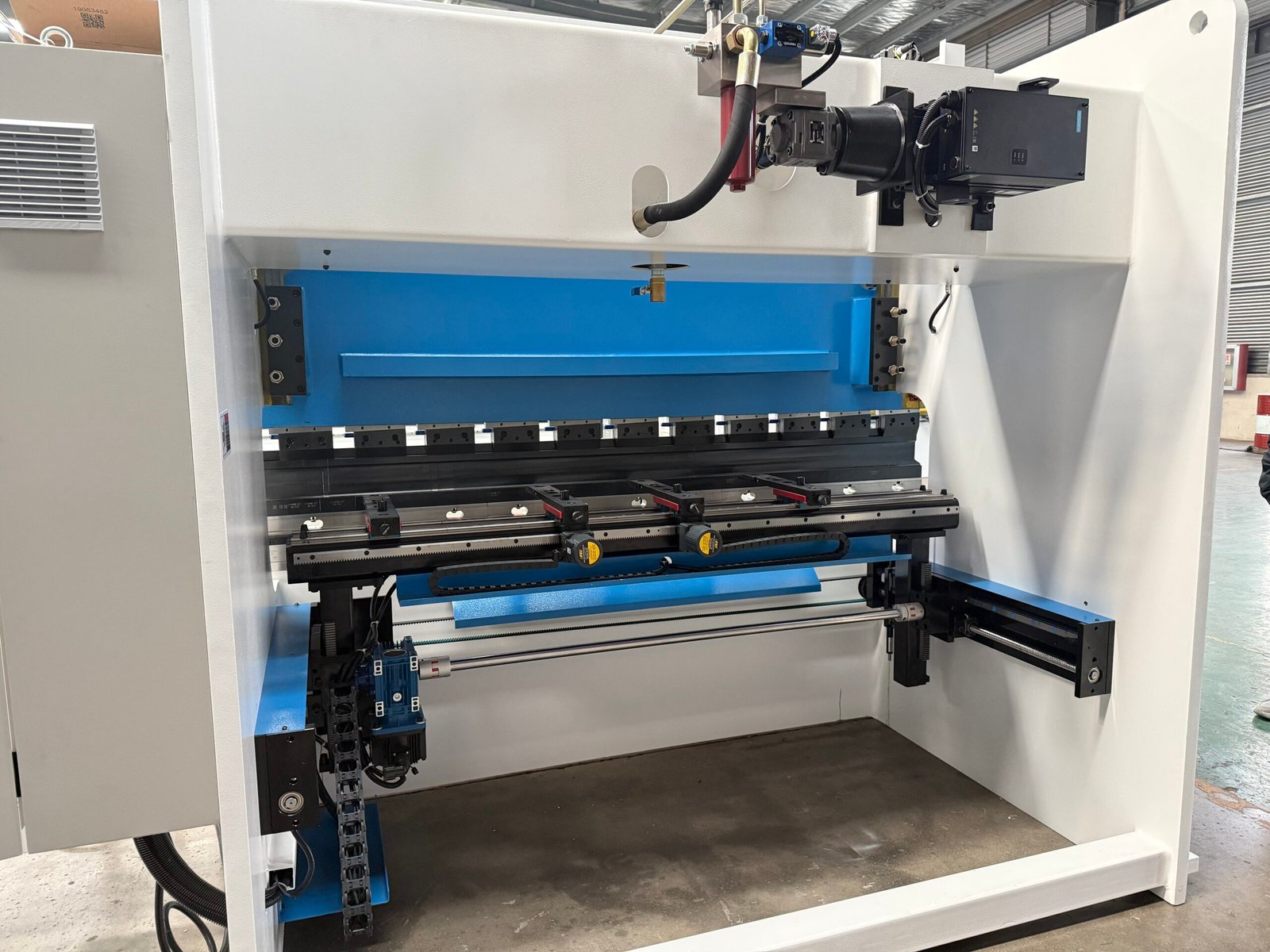
| X axis | Controls back-gauge depth | Required for flange size |
| R axis | Controls back-gauge height | Useful for step bending |
| Z1 / Z2 | Moves fingers left/right | Useful for high-mix widths |
| 4+1 axes | Core CNC bending package | Simple and medium-complexity parts |
| 6+1 axes | More automated back-gauge control | High-mix sheet metal |
| 8+1 axes | More complex back-gauge automation | Complex industrial production |
CNC Control, Drive Type and Components
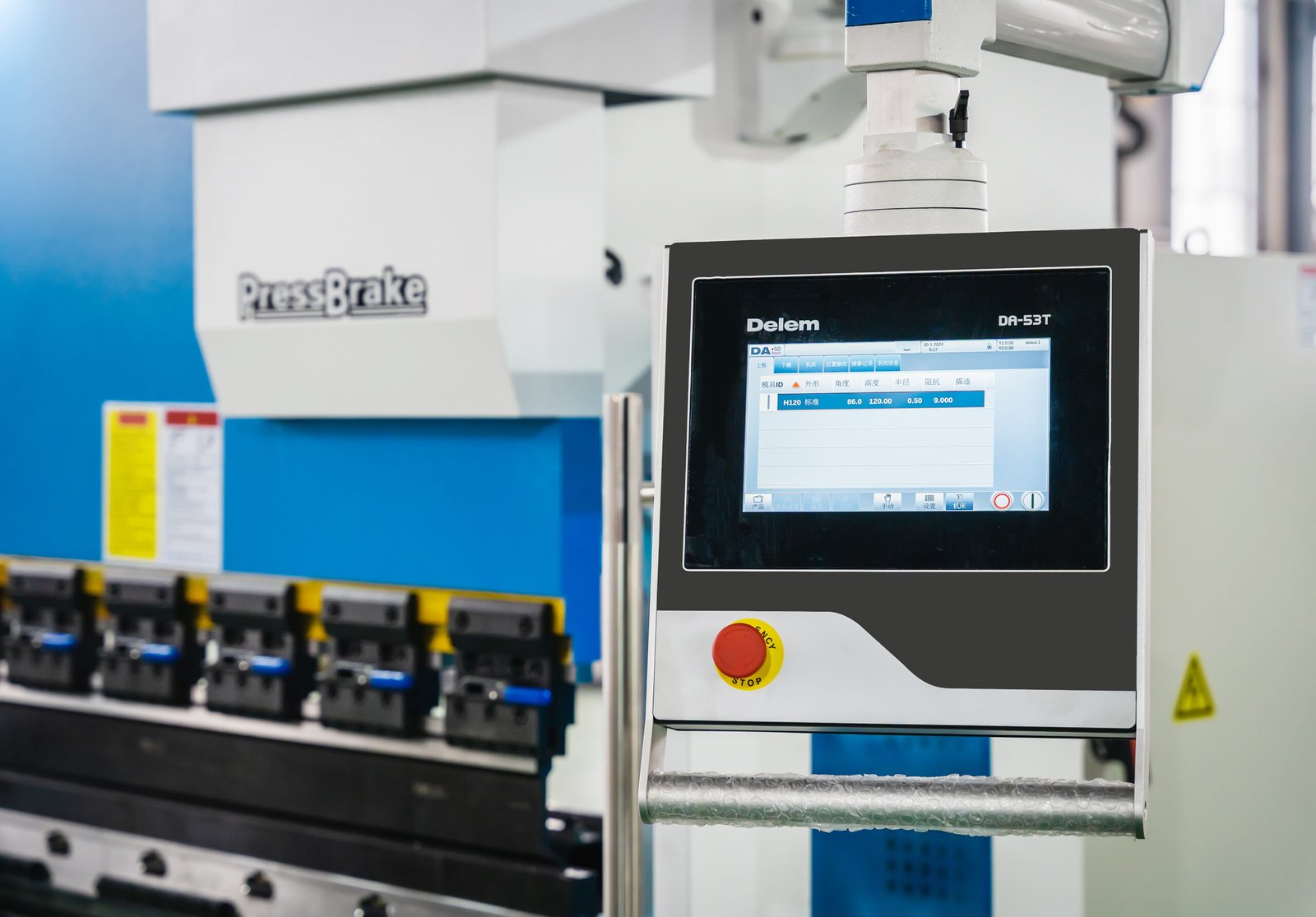
The control system determines how quickly operators program jobs, correct angles and repeat previous parts. Delem, ESA and Cybelec are common CNC control options in global press brake markets; HORISTAR also lists Chinese-brand control options for cost-sensitive configurations.
| Choice | Typical Numeric Fit | Buyer Risk |
|---|---|---|
| Servo-hydraulic | Medium/high force work such as 66 t+ screening jobs | Hydraulic quality and cylinder synchronization decide accuracy. |
| Servo-electric | Thin-to-medium sheets and high cycle counts | Force range and purchase cost must fit the work. |
| Hybrid | Energy-saving work where hydraulic force remains required | Service support and component availability matter. |
| Basic control | Simple parts, 4+1 axes and lower budget | Slow programming for high-mix jobs. |
| Advanced graphical control | Complex parts, 6+1 or 8+1 axes and short runs | Training and local service must be available. |
A high-end controller that nobody programs well creates idle machine time.
Maintenance and Lifecycle Planning
Hydraulic, electric and hybrid press brakes have different ownership routines. Lifecycle planning matters because oil, tooling, back-gauge alignment and safety devices affect uptime after delivery.
| Lifecycle Item | Planning Interval | What to Record |
|---|---|---|
| Tooling inspection | Every shift | Punch/die wear, marks and visible damage |
| Back-gauge reference check | Weekly | X/R/Z positioning repeatability and finger condition |
| Hydraulic oil inspection | Monthly | Oil level, leaks and temperature |
| Safety device validation | Monthly | Foot pedal, E-stop, light curtain or laser guard response |
| Full process audit | Every 6 months | Angle accuracy, crowning setting and rework rate |
| Hydraulic oil replacement | 5 years on the HORISTAR product-page claim | Supplier manual and real oil condition |
Accuracy, Crowning and Tooling
Long bends create deflection because the ram and bed flex under load. Without crowning, the bend angle may be open in the center and tighter at the ends. Crowning compensates for that deflection so the angle stays more uniform across the full length.
Tooling also controls accuracy. The V opening, punch radius, die wear, tool height and clamping system affect bending force, inside radius and springback.
| Accuracy Item | Why It Matters | Buyer Test |
|---|---|---|
| Crowning system | Compensates bed/ram deflection | Bend a long part and measure angles at both ends and center. |
| Tooling standard | Affects future tool purchase | Select a widely available tooling style. |
| Quick clamping | Reduces setup time | Time a tool change during sample testing. |
| Segmented tools | Helps boxes and varied lengths | Confirm included punch/die package. |
| Y1/Y2 repeatability | Affects angle consistency | Record repeat bends on the same material. |
Safety and Compliance
A CNC press brake is a high-force machine, so the safety package is not an optional accessory. Map the quotation to recognized machinery-safety references and local import rules.
Specify Safety Before Quotation
The HORISTAR product page lists protective fences, interlock systems, Category 4 safety switches, CE-compliant foot pedal design and an IP65-rated electrical cabinet. Put those items in the RFQ scope with documents, photos or pre-shipment video evidence.
| Safety Area | What to Request | Standards / Rules to Map |
|---|---|---|
| Machine guarding | Guarding, interlocks, safety distance and access control | ANSI B11.3 / ANSI B11.19 and OSHA 1910.212 |
| Risk assessment | Hazard list and risk-reduction method | ISO 12100 |
| Control reliability | Safety switches, E-stops and interlocks | ISO 13849-1 |
| Electrical system | Cabinet, grounding, wiring and documentation | EN 60204-1 / IEC 60204-1 |
| EU import | Declaration, manuals and CE marking files | CE marking requirements |
| Operator protection | Light curtain or laser guarding, foot pedal design and training | OSHA press brake guidance |
Sample Bending and Pre-Shipment Acceptance
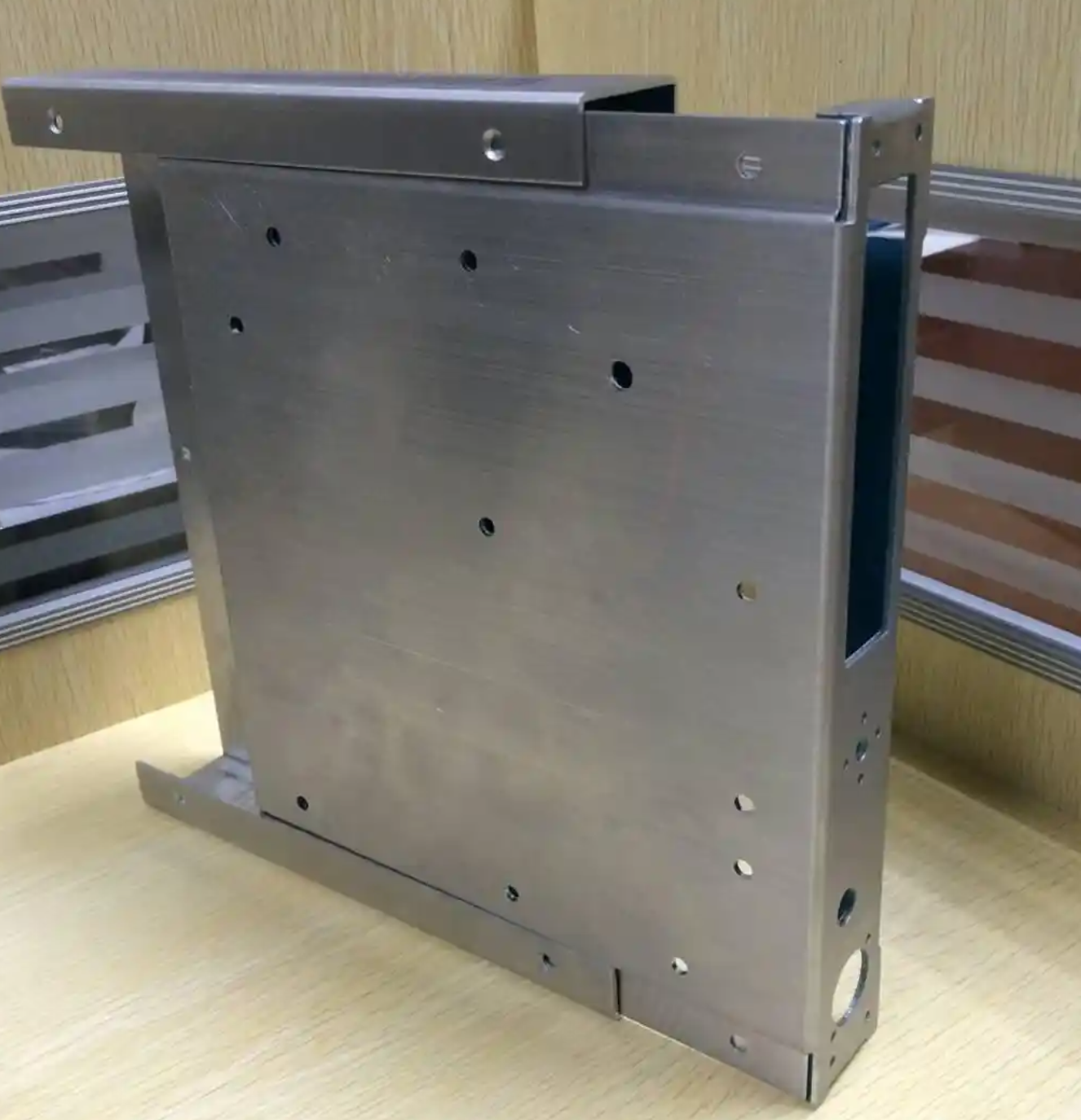
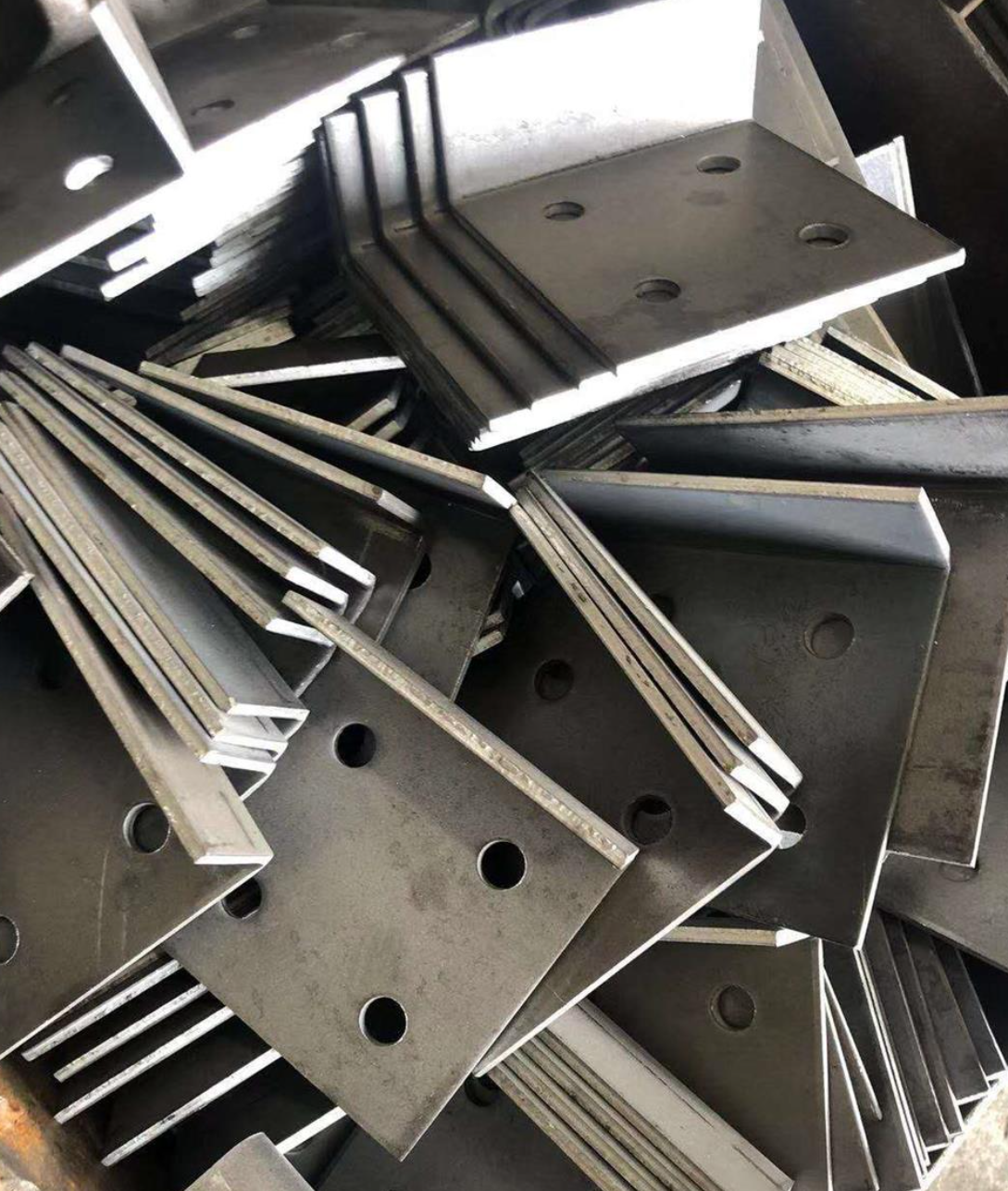
Ask the supplier to run a sample bend before final approval. A sample bend turns the specification into evidence. For imported machinery orders, connect the sample-bending record to the pre-shipment acceptance and import planning guide before balance payment.
- Material grade and thickness.
- Bend length and flange dimensions.
- V-die opening and punch radius.
- Target angle and measured angle at left, center and right.
- Back-gauge setting and axis program.
- Whether crowning was used.
- Surface marking and tooling contact condition.
- Cycle time and operator steps.
- Any springback correction.
- Photos or video before shipment.
For a line that includes laser cutting, match the press brake with the upstream laser cutting machine output so blanks do not wait between cutting and forming. Use the fiber vs CO2 metal-sheet laser guide for cutting-process selection, and the CNC deburring vs manual deburring guide when cut edges need finishing before bending, welding or coating.
RFQ Input List
Send a complete RFQ package so the supplier recommends a real machine configuration.
- Material grades: mild steel, stainless steel, aluminum or high-strength steel.
- Maximum and routine thickness.
- Longest routine bend length.
- Shortest and tallest flange.
- Drawing files with bend angles and tolerances.
- Target inside radius and tooling preference.
- Daily production volume and shifts.
- Part families: cabinets, covers, brackets, channels, boxes or frames.
- Required axes: 4+1, 6+1 or 8+1 if already known.
- Preferred CNC control brand and local support requirement.
- Electrical voltage and destination country.
- Required safety documents, CE marking documents or third-party inspection.
Get Press Brake Selection Support
To request a quote, send your project drawings and bending range through Contact HORISTAR. HORISTAR then recommends tonnage, length, axes, control, tooling and sample-bending steps for your application.
Specification Checklist
Use this checklist to compare CNC press brake quotations line by line.
| Specification | Why It Matters | Buyer Cut-Off |
|---|---|---|
| Nominal pressure | Sets maximum forming force | Size above the heaviest routine bend, not a rare extreme. |
| Worktable length | Sets one-pass bend length | Must cover the longest routine part plus margin. |
| Throat depth | Allows box/channel geometry | 320 mm reference is useful for deeper parts. |
| Stroke and open height | Allows tooling and formed part removal | 200 mm stroke and 465 mm opening are reference checks. |
| Axis package | Controls automation level | 4+1 for simple work, 6+1/8+1 for high-mix work. |
| Crowning | Controls long-part angle | Required for long, tolerance-sensitive bends. |
| CNC control | Affects programming speed | Match Delem, ESA, Cybelec or local option to operator skill. |
| Safety package | Affects operator risk and import acceptance | Guarding, E-stops, interlocks and documents must be included. |
| Service path | Affects downtime | Require manuals, spare parts, remote support and training. |
Frequently Asked Questions
Start with routine part data: material, thickness, bend length, angle, flange height, inside radius, tolerance and daily output. Tonnage is important, but it only becomes meaningful when paired with bend length, V opening and material. A buyer should write those values into the RFQ before comparing machine prices.
Use the supplier’s bending chart for final sizing. As an early screen, multiply force per meter by bend length, material factor and headroom. For example, 3 mm mild steel at 22 t/m over 2.5 m with 20% headroom gives 66 t. Stainless steel needs a higher material factor than mild steel.
Choose 4+1 axes for simple brackets and medium-complexity parts. Choose 6+1 or 8+1 axes when the shop runs high-mix work, stepped flanges or frequent back-gauge changes. Extra axes only pay back when they remove manual repositioning, setup time or repeated operator corrections.
Crowning compensates for bed and ram deflection during bending. Without it, long parts may bend open in the center and tighter at the ends. For cabinet doors, panels, long covers and tolerance-sensitive parts, ask for a sample bend measured at left, center and right before accepting the configuration.
Send material grades, routine thickness, maximum thickness, longest bend, drawing files, target angles, inside radius, production volume, axis preference, control preference, voltage, destination country and required safety documents. HORISTAR then recommends tonnage, bed length, control, axes, tooling and sample-bending steps.
Content Review Record
Technical review record: reviewed by the HORISTAR CNC application team on 2026-06-22; scope included 5 FAQ answers, 5 decision tables, 1 tonnage calculation, RFQ inputs, product-page specifications and standards mapping.
References
- HORISTAR, CNC Bending Machine.
- B11 Standards, B11 standards scopes, including ANSI B11.3 power press brakes and ANSI B11.19 risk-reduction measures.
- OSHA, 29 CFR 1910.212, general requirements for all machines.
- OSHA, CPL 02-01-025, Guidelines for Point of Operation Guarding of Power Press Brakes.
- ISO, ISO 12100:2010, safety of machinery – risk assessment and risk reduction.
- ISO, ISO 13849-1:2023, safety-related parts of control systems.
- IEC, IEC 60204-1:2016, electrical equipment of machines.