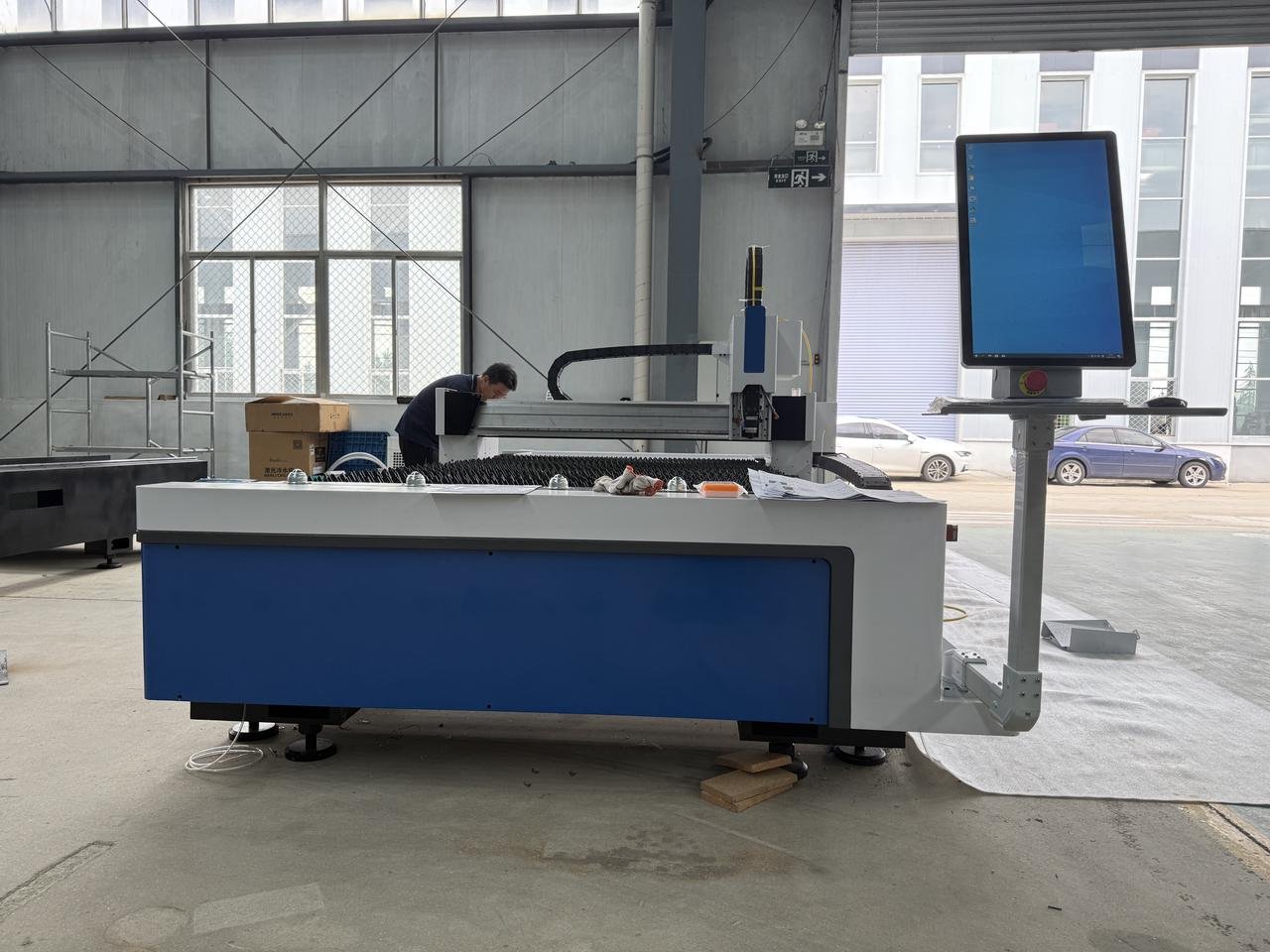
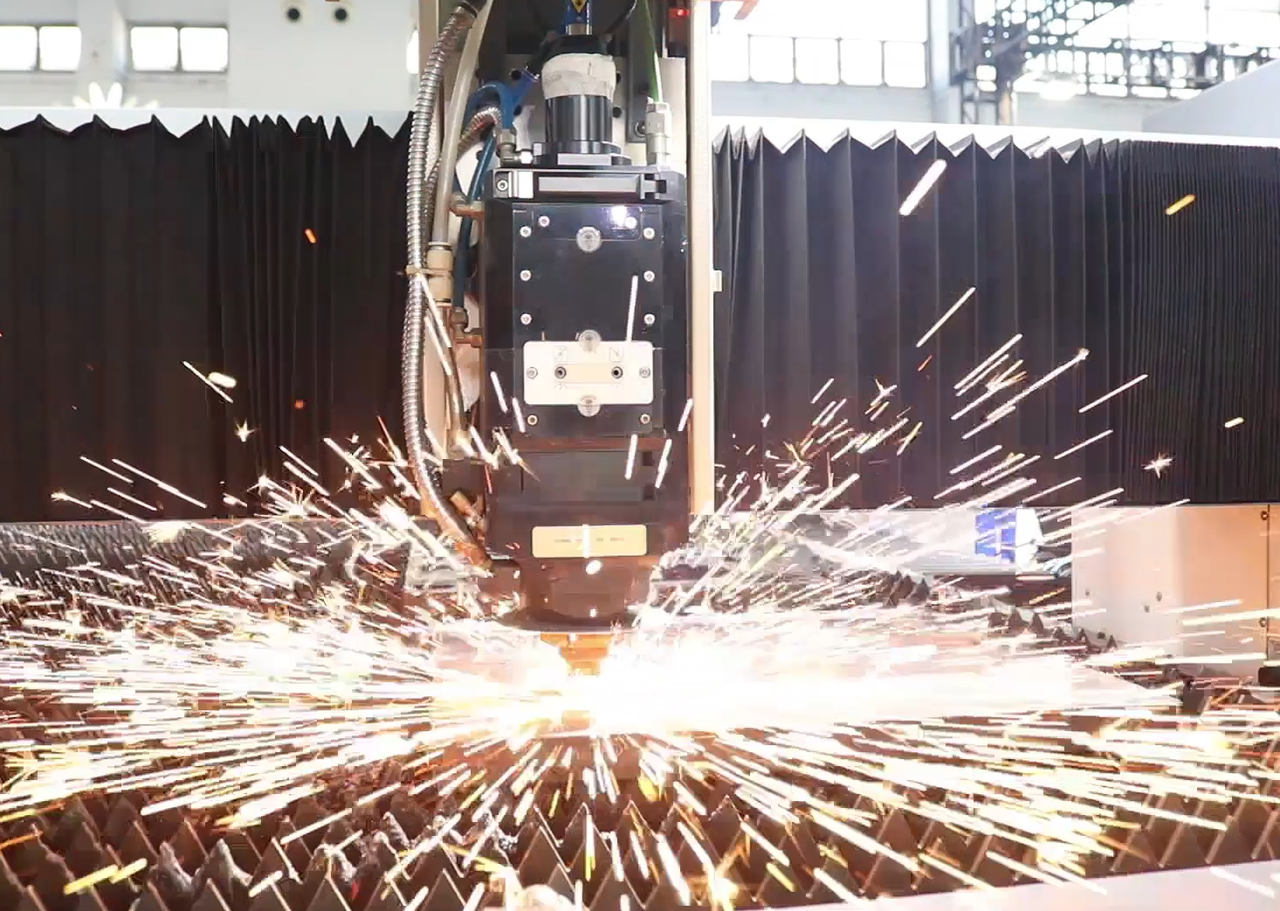
- Fiber laser is the stronger default for metal sheets. The shorter fiber wavelength around 1.06-1.08 micrometers is better matched to metal cutting than the 10.6 micrometer CO2 wavelength.
- CO2 laser remains useful for non-metals. It is still a practical choice for acrylic, wood, leather, textile, paper, rubber and signage work.
- Do not buy only by laser power. Thickness, gas system, cutting head, machine bed, nesting, loading/unloading and service support decide usable output.
- For cutting quality, use ISO 9013 language. ISO 9013 covers geometrical product specifications and quality tolerances for laser cuts from 0.5 mm to 32 mm when referenced in drawings or delivery conditions.
- Safety documentation matters. Industrial laser cutting machines need documentation mapped to IEC 60825-1, ISO 11553-1, IEC 60204-1, ANSI Z136.1 guidance and local laser-product rules.
If more than 70% of your work is stainless steel, carbon steel, aluminum, galvanized steel, brass or copper sheet, start with a fiber laser cutting machine. If most work is acrylic, wood, leather, fabric or engraving, CO2 laser belongs in the shortlist instead.
Quick Decision Rule
Choose fiber laser for metal sheets when production depends on speed, reflective-metal capability, lower optical-path maintenance and stable daily cutting. Choose CO2 laser when non-metal cutting or engraving is the main revenue source.
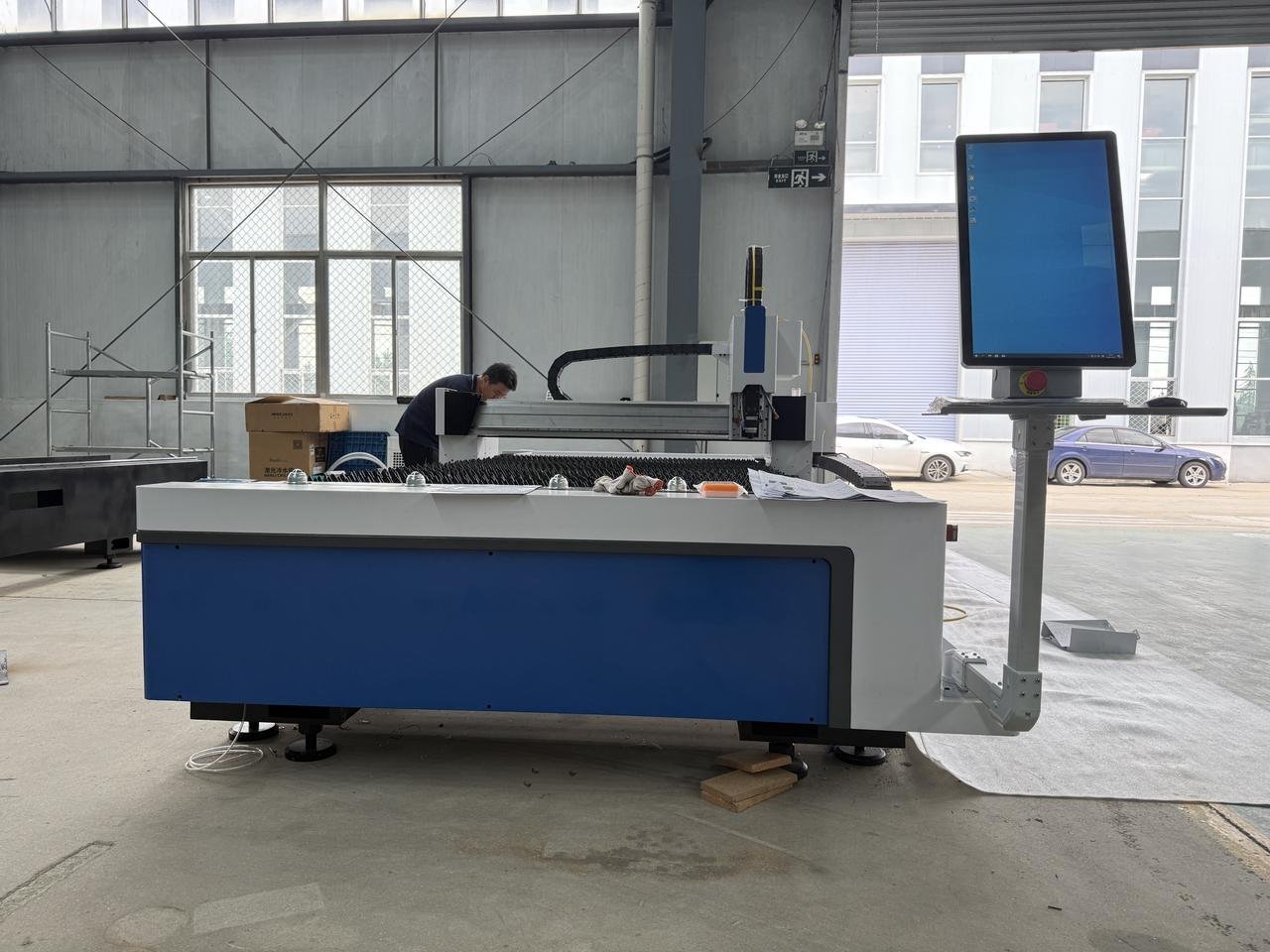
Start here for metal sheets
Best first choice for recurring stainless steel, carbon steel, aluminum, galvanized steel, brass and copper sheet production.
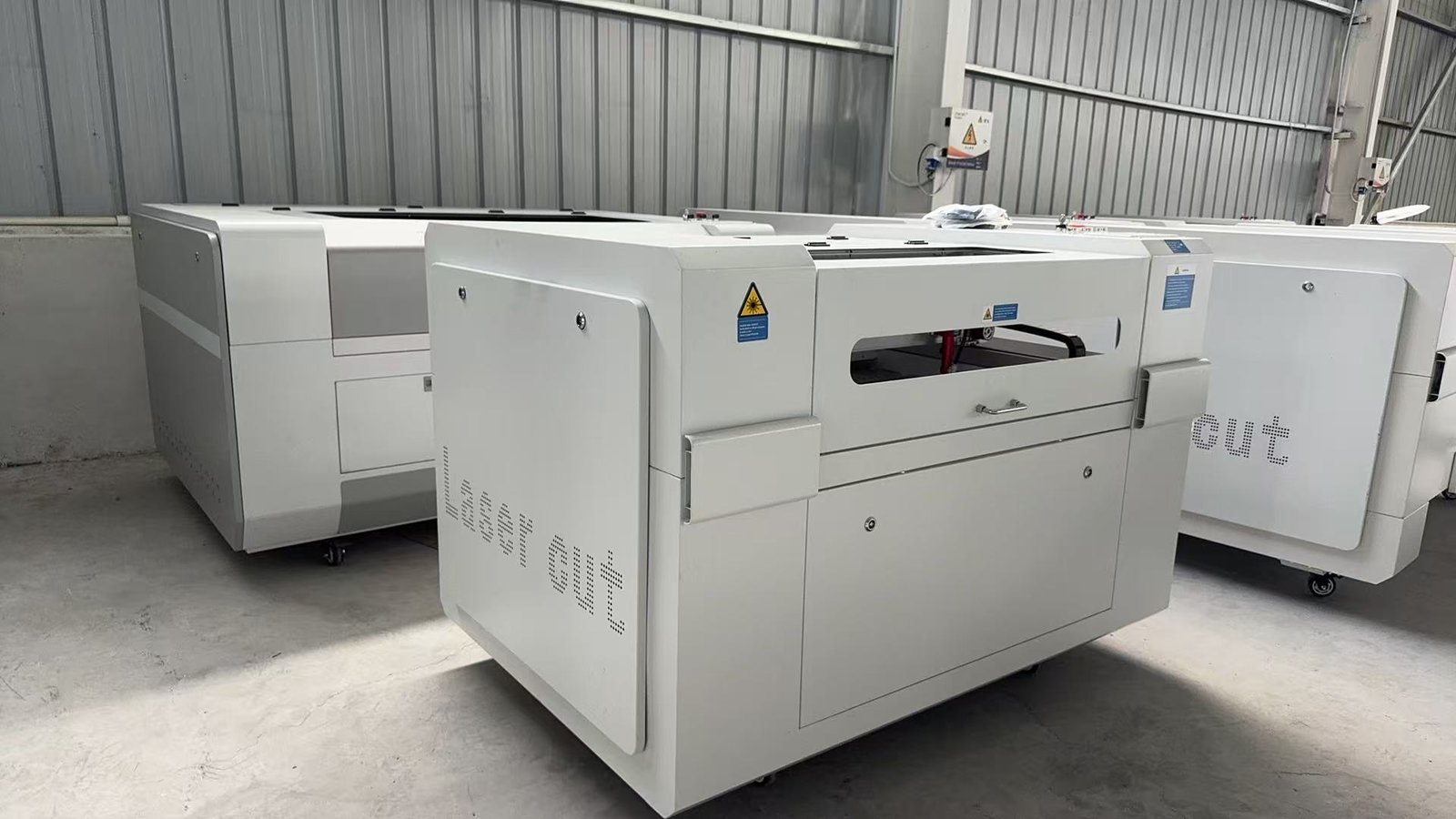
Keep it for non-metals
Useful for acrylic, wood, leather, paper, fabric, rubber and signage work where 10.6 micrometer energy fits the material.
| Your Work Mix | Better Starting Point | Why |
|---|---|---|
| 70%+ stainless, carbon steel, aluminum or galvanized sheet | Fiber laser | Faster metal cutting and better metal absorption. |
| 70%+ acrylic, wood, leather, fabric or paper | CO2 laser | CO2 wavelength is well suited to many organic non-metals. |
| 50/50 metal and non-metal work | Two-machine plan | One fiber machine plus one CO2 machine is usually more stable than one compromise system. |
| Reflective metal work such as aluminum, brass or copper | Fiber laser | Fiber systems are available with back-reflection protection. |
| Decorative acrylic signs or wood panels | CO2 laser | Edge and engraving behavior are better matched to non-metals. |
This article focuses on metal sheets. For buyers comparing HORISTAR laser models, the main category page is Laser Cutting Machine. If the project is mainly acrylic, wood, leather, fabric or paper, review the HORISTAR CO2 laser cutting machine instead.
Why Wavelength Changes the Buying Decision
Wavelength matters because each material absorbs and reflects laser energy differently. A fiber laser used for sheet metal typically operates near 1.06-1.08 micrometers, while a CO2 laser operates around 10.6 micrometers.
| Laser Type | Typical Wavelength | Beam Delivery | Metal Sheet Fit | Non-Metal Fit |
|---|---|---|---|---|
| Fiber laser | ~1.06-1.08 micrometers | Fiber optic cable | Strong for stainless, carbon steel, aluminum and galvanized sheet | Limited for many organic non-metals |
| CO2 laser | ~10.6 micrometers | Mirror optical path | Possible only with suitable metal configuration, but less common for new metal-sheet lines | Strong for acrylic, wood, leather, paper and fabric |
Fiber performs better on many metals because metals absorb the shorter wavelength more efficiently; better absorption leads to faster energy transfer and cleaner piercing when the cutting head, gas and focus are correct. CO2 remains valuable because organic non-metals absorb 10.6 micrometer energy well, which is why acrylic and wood shops still use CO2 machines.
Fiber vs CO2 for Metal Sheets
Fiber is not automatically better for every factory, but it is usually better for a factory whose daily work is metal sheet cutting.
| Decision Factor | Fiber Laser for Metal Sheets | CO2 Laser for Metal Sheets | Buyer Rule |
|---|---|---|---|
| Metal absorption | Strong near 1.06-1.08 micrometers | Weaker at 10.6 micrometers | Use fiber for recurring metal production. |
| Thin sheet output | High when nesting and loading are efficient | Lower in most metal-sheet cases | Use fiber when throughput per shift matters. |
| Reflective metals | Better fit when configured for aluminum/brass/copper | Higher reflection risk and lower practicality | Use fiber with back-reflection protection. |
| Optical maintenance | No long external mirror path | Mirrors and alignment require more work | Use fiber when maintenance labor is limited. |
| Non-metal cutting | Not the right main tool | Strong | Use CO2 for acrylic, wood, leather and fabric. |
| Safety controls | Enclosure, interlocks and Class 4 laser controls are still required | Enclosure, interlocks and Class 4 laser controls are still required | Treat both as industrial laser systems, not ordinary shop tools. |
Do not use this comparison as a final specification. Use it to decide which technology enters the sample-cutting stage.
Material-by-Material Selection
Choose by material first because the same laser power behaves differently across stainless steel, carbon steel and aluminum.
| Material | Better Starting Technology | Typical Assist Gas | Buyer Risk to Control |
|---|---|---|---|
| Stainless steel sheet | Fiber laser | Nitrogen, 8-20 bar for bright-edge work | High gas cost and edge brightness requirement |
| Carbon steel sheet | Fiber laser | Oxygen around 0.5-2 bar, nitrogen or air in some thin work | Oxide edge, dross and coating preparation |
| Aluminum sheet | Fiber laser | Nitrogen or dry compressed air | Reflection, burr and heat distortion |
| Galvanized sheet | Fiber laser | Air or nitrogen based on edge requirement | Zinc vapor, coating behavior and burr |
| Brass/copper sheet | Fiber laser with suitable protection | Nitrogen or process-specific setup | Back reflection and stable piercing |
| Acrylic, MDF, leather, fabric | CO2 laser | Air assist | Fiber laser is usually the wrong process |
If a buyer processes both stainless sheet and acrylic signs every week, the cleanest answer is usually not a single machine. Separate a fiber metal-cutting workflow from a CO2 non-metal workflow so the optics, bed, exhaust and safety system match the material.
Thickness, Power and Cut Quality
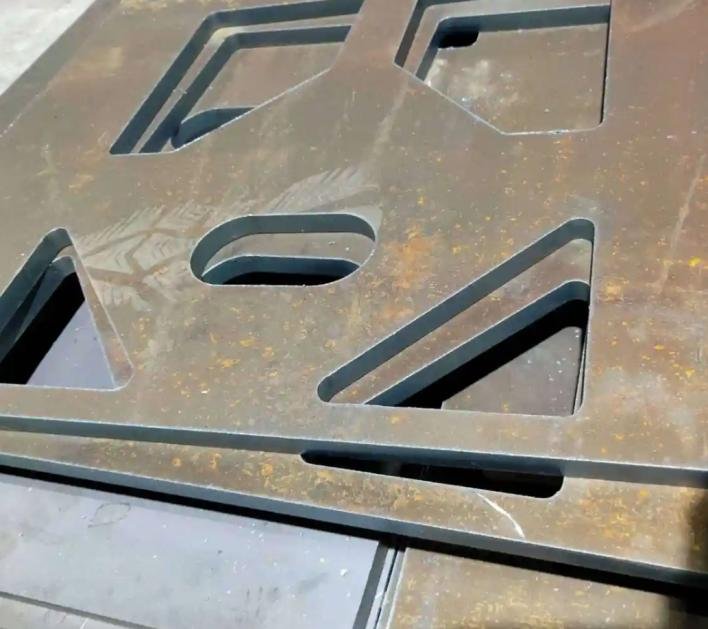
Laser power is only one part of thickness capability. The real cut depends on laser source, cutting head, focus control, gas pressure, nozzle condition, material grade, machine rigidity and the quality class required by the drawing.
| Production Situation | Practical Direction | Verification Test |
|---|---|---|
| 0.5-3 mm sheet, cabinets, signs and covers | Fiber laser with strong nesting and fast loading | Cut small holes, corners and long contours. |
| 3-8 mm mixed stainless and carbon steel | Fiber laser with nitrogen/oxygen gas planning | Cut both materials at the thickest real size. |
| 8-16 mm fabrication work | Higher-power fiber laser, rigid bed and stable gas supply | Test pierce quality, edge taper and dross. |
| 16-32 mm laser-cut parts | Heavy-duty fiber configuration and ISO 9013-style inspection | Define tolerance, perpendicularity and roughness class. |
| Mostly non-metals under 20 mm | CO2 laser | Test smoke extraction, edge color and kerf. |
ISO 9013 is especially useful when buyer and supplier need common language for thermal-cut quality. It applies to laser cuts from 0.5 mm to 32 mm when the standard is referenced in drawings or delivery conditions.
Assist Gas and Operating Cost
Assist gas controls edge chemistry, burr, oxidation and running cost. When nitrogen runs 6+ cutting hours per shift, gas cost often changes profit per part as much as laser wattage.
| Gas | Common Use | Typical Pressure Range | Cost and Quality Impact |
|---|---|---|---|
| Oxygen | Carbon steel cutting | 0.5-2 bar | Lower pressure; creates oxide edge that may need removal before welding or coating. |
| Nitrogen | Stainless steel, aluminum, bright edges | 8-20 bar | Above 6 cutting hours per shift, gas cost becomes the main running-cost item. |
| Dry compressed air | Thin sheet cost reduction | 6-16 bar | Lower gas cost; edge oxidation and burr must be accepted or processed later. |
Worked Cost Example: Stainless Sheet with Nitrogen
Edge Quality Checklist
Evaluate a sample cut like a production buyer, not like a brochure reader. A clean-looking photo is not enough.
| Edge Feature | What to Inspect | Why It Matters |
|---|---|---|
| Dross / slag | Bottom edge after cutting | Dross adds grinding labor and delays welding. |
| Burr height | Bottom edge and small holes | Burr blocks direct assembly. |
| Perpendicularity | Sidewall taper | Taper affects tabs, slots and fitted parts. |
| Heat affected zone | Edge color and hardness-sensitive areas | Heat affects welding or forming behavior. |
| Oxide edge | Oxygen-cut carbon steel | Remove oxide before coating when adhesion is critical. |
| Small-hole quality | Holes below 1x material thickness | Poor piercing leads to scrap and rework. |
| Corner quality | Sharp internal corners and tight nests | Slow corners overheat or round off. |
For parts that will be powder coated or welded, link the laser decision to downstream finishing. HORISTAR’s CNC Sanding & Deburring Machine page is relevant when oxygen-cut carbon steel or burr-heavy parts need edge finishing before coating.
Safety and Compliance Questions
Industrial laser cutting machines use high-power lasers and require engineered safety controls. OSHA notes that laser radiation can injure eyes and skin, and that the eye is often more vulnerable than skin under laser exposure conditions. IEC 60825-1 covers laser product safety classification, ISO 11553-1 covers laser processing machine safety requirements, IEC 60204-1 applies to electrical equipment of machines, ANSI Z136.1 is recognized by OSHA as voluntary laser-safety guidance, and U.S. laser products are tied to 21 CFR 1040.10/1040.11 performance standards.
Safety Cut-Off
Do not accept a high-power open laser system as a normal production setup for metal cutting. A machine that cuts well but exposes operators to avoidable beam or reflection risk is not a good production machine.
- Laser class and warning labels
- Protective enclosure and viewing window details
- Door interlock function
- Emergency stop locations
- Exhaust and fume-control plan
- Operator safety training material
- Electrical cabinet and grounding information
- Export-market documentation such as CE or FDA-related documents when applicable
Sample Testing Workflow
HORISTAR’s sample-testing workflow uses real buyer material, not only supplier-prepared demonstration sheets. During a 2026 HORISTAR sample-cut inspection for an export RFQ, the team tested 0.5-3 mm, 3-8 mm and 8-16 mm sheets during a 6-hour cutting window before treating the fiber laser configuration as RFQ-ready.
Source: HORISTAR 2026 sample-cut inspection record.
- Material grade and thickness
- Laser power and cutting gas
- Gas pressure and nozzle size
- Cutting speed and focus position
- Edge photos from top, side and bottom
- Burr or dross condition
- Whether the part goes directly to welding, coating or assembly
- Any finishing process needed after cutting
This record gives the buyer a repeatable process sheet after delivery. It also creates a fair comparison between suppliers. To request a quote, send your project drawings, material grades, thickness range and target output to HORISTAR; the team can return a sample-cut plan before the buyer locks the laser power.
Maintenance and Ownership Planning
Fiber usually wins the maintenance comparison for metal sheet work because it avoids the long external mirror path of a CO2 cutting system. CO2 remains reliable with clean mirrors, correct alignment and disciplined gas/optical care.
Source: HORISTAR application-team maintenance planning intervals for buyer scheduling, not ISO or FDA compliance requirements.
| Ownership Item | Fiber Laser | CO2 Laser | Planning Interval |
|---|---|---|---|
| Lens/nozzle inspection | Required | Required | Daily or every shift |
| Optical path alignment | Lower burden | Higher burden | Monthly or after service |
| Chiller maintenance | Required | Required | Monthly |
| Gas quality inspection | Required | Required | Weekly |
| Exhaust/filter inspection | Required | Required | Weekly to monthly |
| Safety interlock validation | Required | Required | Monthly |
| Full process audit | Material, gas, nesting and edge quality | Material, optics, alignment and edge quality | Every 6 months |
RFQ Input List
Send a complete RFQ package so the supplier recommends a real machine configuration instead of a generic wattage.
- Material list with grades: stainless, carbon steel, aluminum, galvanized sheet, brass or copper
- Minimum and maximum thickness for each material
- Sheet size and loading method
- Monthly cutting hours and expected shifts per day
- Required edge condition: weld-ready, coating-ready, bright stainless edge or rough blank
- Tolerance or ISO 9013 quality requirement if the drawing calls it out
- Smallest hole diameter and narrowest slot
- Need for tube cutting, enclosed cover, exchange table or automatic loading
- Available gas: oxygen, nitrogen, air compressor and pressure/flow capacity
- Destination country and required documents
Get Model Selection Support
For HORISTAR model selection, send the material list and thickness range through Contact HORISTAR. If the project needs a sheet-only machine, compare the single-table and closed-machine options under HORISTAR’s laser cutting category before requesting a quote. For certification, Incoterms, packing and lead-time planning, use the CNC and laser machine import guide before deposit approval.
Specification Checklist
Use this checklist to compare supplier offers line by line.
| Specification | Why It Matters | Buyer Cut-Off |
|---|---|---|
| Laser type | Defines material fit | Fiber for metal-sheet production; CO2 for non-metals. |
| Laser power | Defines thickness and speed range | Match the thickest profitable material, not the rarest request. |
| Cutting head | Affects focus, piercing and protection | Require reflective-metal protection for aluminum/brass/copper. |
| Bed structure | Affects vibration and cut stability | Heavier daily cutting needs a rigid bed. |
| Gas system | Affects edge and running cost | Specify oxygen, nitrogen and air pressure/flow capability. |
| Enclosure | Affects safety | Industrial high-power systems need proper guarding and interlocks. |
| Software and nesting | Affects material yield | Ask for nesting workflow, remnant handling and file format support. |
| Service path | Affects downtime | Require manuals, remote support, spare parts and training. |
Frequently Asked Questions
Fiber laser is usually better for metal sheets because metals absorb the shorter near-1 micrometer fiber wavelength more efficiently than the 10.6 micrometer CO2 wavelength. The result is stronger practical performance for stainless steel, carbon steel, aluminum and galvanized sheet when the machine, gas and cutting head are correctly configured.
Choose CO2 laser when the business mainly cuts or engraves non-metal materials such as acrylic, wood, MDF, leather, fabric, paper, rubber or decorative panels. CO2 handles some metal work only with the right configuration, but for a factory whose main revenue is metal sheet cutting, fiber laser should usually be tested first.
Select laser power from the thickest routine material, target edge quality, gas supply and cutting hours. For 0.5-3 mm sheet, lower to mid power may be enough; for 8-16 mm mixed fabrication, higher-power fiber with stable gas and bed rigidity becomes more important. Verify the final selection with sample cuts and ISO 9013-style edge inspection.
Oxygen is commonly used for carbon steel when oxidation is acceptable, nitrogen is used for stainless steel and aluminum when clean bright edges are required, and dry compressed air reduces cost on some thin sheets. The correct choice depends on material, thickness, downstream welding or coating, and acceptable burr.
Compare sample cuts by material grade, thickness, gas, speed, focus, edge photos, burr, dross, hole quality and whether the part goes directly to welding, coating or assembly. Ask each supplier to cut the same file on the same material thickness so the comparison is fair.
Send your material list, thickness range, sheet size, target output, required edge condition, smallest hole, gas availability, drawing files and destination country. HORISTAR then recommends a fiber laser configuration, sample testing workflow and support documents matched to your metal-sheet production.
Content Review Record
Technical review record: reviewed by the HORISTAR laser application team on 2026-06-22; scope included 6 FAQ answers, 3 decision tables, 1 RFQ list and standards mapping against the laser cutting machine category.
References
- ISO, ISO 11145:2018, Optics and photonics – Lasers and laser-related equipment – Vocabulary and symbols.
- ISO, ISO 9013:2017, Thermal cutting – Classification of thermal cuts.
- IEC, IEC 60825-1:2014, Safety of laser products – Part 1.
- ISO, ISO 11553-1:2020, Safety of machinery – Laser processing machines.
- IEC, IEC 60204-1:2016, Safety of machinery – Electrical equipment of machines – Part 1.
- OSHA, Laser Hazards – Standards, noting the ANSI Z136 series as voluntary consensus laser-safety standards.
- eCFR, 21 CFR 1040.10 Laser products.
- OSHA, Laser Hazards – Overview and OSHA Technical Manual, Section III, Chapter 6.