1. Working Area
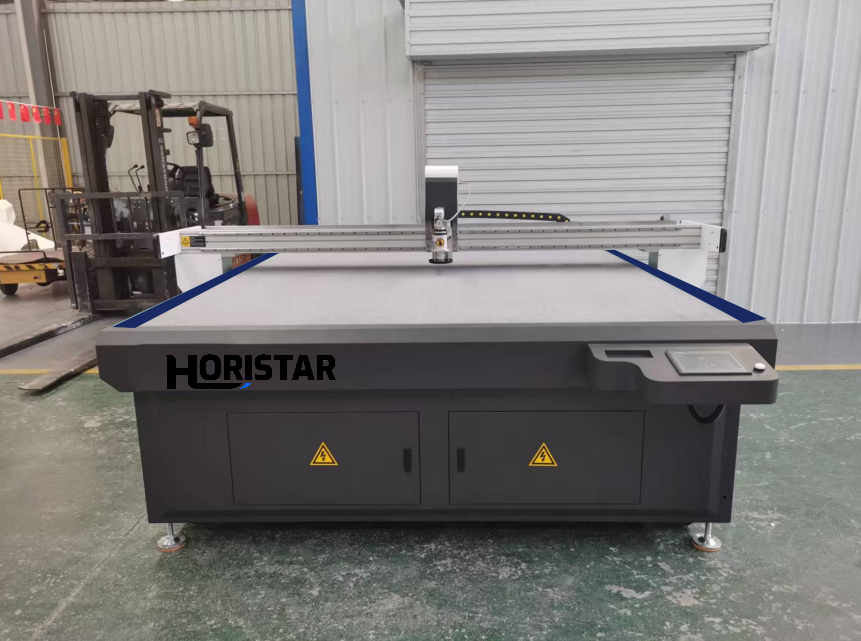
A larger cutting table requires a stronger frame, longer guide rails, larger vacuum area and more powerful motion control. Common sizes such as 1600 x 2500 mm or large-format models should be selected according to material sheet size.
2. Cutting Thickness
Thin cardboard and sticker cutting need different tool pressure and beam clearance than thick foam, EVA or gasket materials. Higher cutting thickness may require a stronger oscillating knife and higher machine structure.
3. Tool Configuration
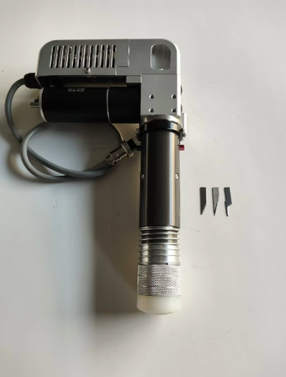
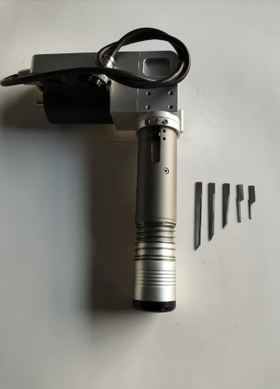
Oscillating knife, drag knife, creasing wheel, V-cut tool, kiss-cut tool, marking pen and punching tool all affect cost. The right combination depends on whether you cut, crease, groove or half-cut.
4. Feeding System
A fixed table is suitable for sheet materials and lower-volume jobs. Conveyor feeding adds cost but improves efficiency for roll materials, repeated batches and continuous production.
5. Camera Positioning
If you cut printed stickers, signs, labels or packaging samples with registration marks, a camera system improves contour accuracy and reduces manual alignment time.
6. Vacuum System
Vacuum pump power, divided suction zones and table sealing affect material holding quality. Porous foam, textile or thin sheets may need stronger or more refined vacuum control.
7. Software and Nesting
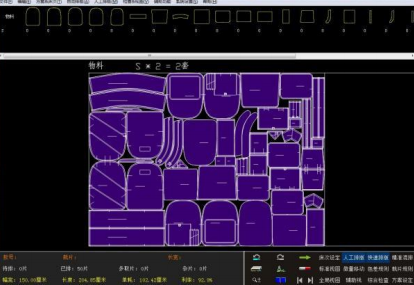
Good nesting software can reduce material waste and shorten production time. It is especially useful for leather, textile, gasket, automotive interior and multi-shape batch cutting.
8. Shipping and Customization
Destination country, packaging, sea freight, voltage, language support, spare parts package and installation requirements should be considered in the final quotation.
Factory Support
A complete price should include practical support: operation training, English manuals, remote service and optional spare parts. You can review HORISTAR service details on the Service page.