- CO2 laser is the first shortlist for non-metals. Acrylic, wood, MDF, plywood, leather, paper, cardboard, fabric and many rubber sheets usually fit CO2 processing better than fiber.
- Do not treat all plastics as laser-safe. PVC, vinyl, chlorinated plastics and unknown coated materials should be excluded unless the material supplier gives written laser-safety confirmation.
- Material proof beats material names. “Acrylic” may mean cast acrylic, extruded acrylic or coated acrylic, and each behaves differently at the edge.
- Safety is part of the machine selection. CO2 laser buyers should map the machine to laser, electrical, machinery-safety and local import rules.
- Keep this page separate from metal-sheet intent. If the work is stainless, carbon steel or aluminum sheet, use the dedicated fiber vs CO2 metal-sheet guide.
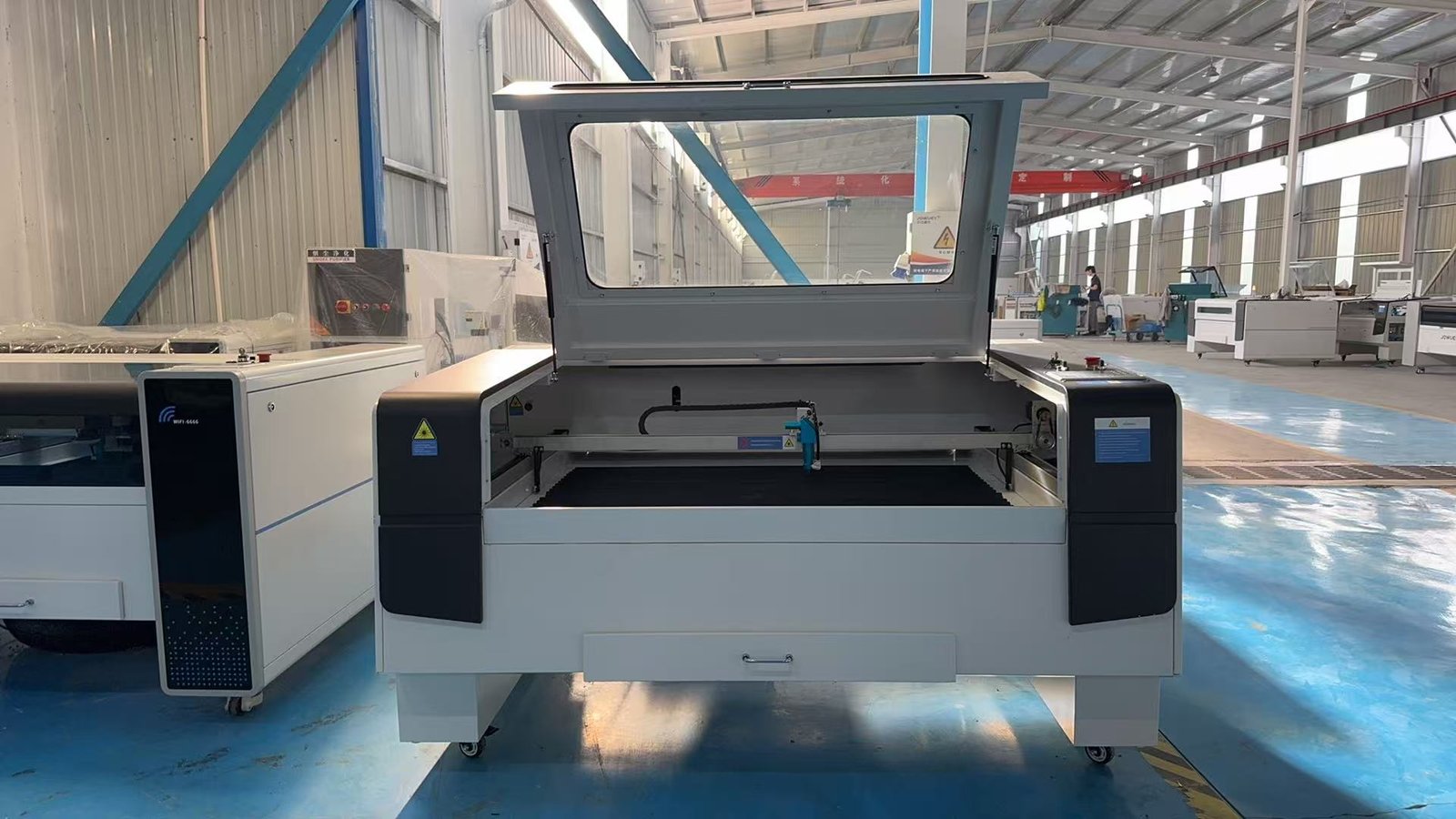
CO2 laser cutting is the stronger fit for many non-metal materials because the 10.6 micrometer CO2 wavelength is absorbed well by organic materials, acrylic and many sheet goods. If your work is mainly stainless steel, carbon steel or aluminum sheet, use the separate fiber vs CO2 laser cutting for metal sheets guide. This page is intentionally focused on non-metal materials so it does not compete with the metal-sheet article.
SERP Gap and Article Strategy
Google results for CO2 laser cutting and non-metal materials are competitive: several pages list acrylic, wood, fabric and leather. The gap is that many pages do not separate safe materials, conditional materials and reject materials with enough procurement detail.
| Search Result Pattern | Common Coverage | Missing Buyer Detail | This Guide Adds |
|---|---|---|---|
| CO2 product page | Materials, power and model options | Limited safety screening | Safe / test / reject material matrix |
| Project idea article | Designs and applications | Weak RFQ and factory workflow | Sample-test record and quote inputs |
| Fabric laser page | Textile focus | Narrow material scope | Acrylic, wood, leather, paper, rubber and plastics |
| Forum / social discussion | Real concerns | Not source-backed | OSHA, eCFR, ISO/IEC and EHS sources |
Source: LemonC SERP competitor analysis for Google US, run 2026-06-22.
Quick Decision Rule
Choose a CO2 laser when most revenue comes from non-metal cutting, engraving or marking. Choose fiber laser when most revenue comes from metal sheet cutting.
| Work Mix | Better Starting Machine | Decision Rule |
|---|---|---|
| 70%+ acrylic, wood, MDF, paper or leather | CO2 laser | Match table size, exhaust and power to the largest routine sheet. |
| 70%+ fabric or textile roll work | CO2 laser with conveyor option | Confirm roll feeding, fume extraction and edge sealing. |
| 70%+ stainless, carbon steel or aluminum sheet | Fiber laser | Use a metal-sheet fiber laser instead. |
| 50/50 metal and non-metal | Two-machine plan | One fiber machine plus one CO2 machine is more stable than one compromise. |
| Unknown plastics or coated signs | Test / reject first | Require material SDS and sample test before cutting. |
Material Fit Matrix
The first buying decision is the material list. Do not choose CO2 power, table size or exhaust before the material list is clear.
| Material | CO2 Fit | Common Products | Buyer Note |
|---|---|---|---|
| Cast acrylic | Strong | Signs, displays, light boxes | Test 3-10 mm sheets for polished edge. |
| Extruded acrylic | Strong | Budget signage, panels | Test 2-8 mm sheets for edge melt. |
| Wood / plywood / MDF | Strong | Crafts, packaging, models | Test 3-12 mm sheets because resin and glue affect smoke. |
| Leather | Strong | Bags, labels, patches | Test 1-4 mm samples and reject PVC-coated artificial leather. |
| Fabric / textile | Strong | Apparel, labels, filters | Run a 1 hour conveyor test for roll work. |
| Paper / cardboard | Strong | Packaging, invitations, models | Run fire-watch approval before 1 hour production. |
| Rubber | Conditional | Gaskets, stamps, pads | Test 1-6 mm sheets with extraction running. |
| Polycarbonate | Weak | Guards, panels | Under CO2 heat, it melts and discolors; test acrylic alternatives. |
| PVC / vinyl / chlorinated plastics | Reject | Banners, vinyl signs, some artificial leather | Allow 0 production hours without written safety proof. |
Source: HORISTAR sample-screening workflow and MIT EHS laser cutter guidance for PVC/chlorinated thermoplastics.
Why Wavelength Matters
A CO2 laser operates around 10.6 micrometers, while a fiber laser for cutting is near 1.06 micrometers. Wavelength matters because materials absorb energy differently.
Non-metal materials such as acrylic, paper, wood and leather absorb CO2 laser energy well when focus, air assist and exhaust are correct.
Fiber lasers are excellent for many metals, but they are not the main choice for organic non-metal sheet work.
Power, Table Size and Throughput
CO2 power should follow the thickest routine material and the desired edge result. Do not size the machine from a rare thick job.
Use stable air assist; test char, edge sealing and fire control.
Mid-power configuration; test edge polish, smoke and kerf.
Higher-power configuration; test full-depth cut and discoloration.
Use conveyor table and extraction; test 8-hour roll-feeding stability.
Larger table plus camera/positioning if printed marks are needed.
Safety: Materials to Reject Before Testing
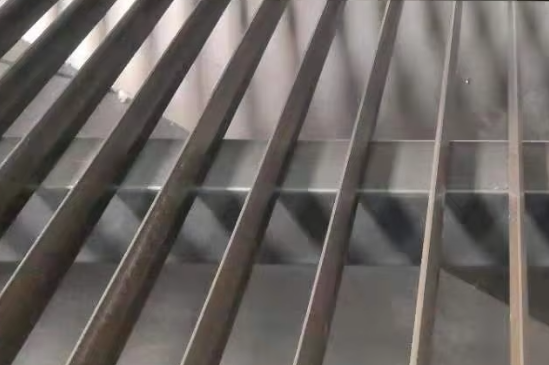
CO2 lasers create heat, smoke and airborne contaminants. Some materials are unsafe or unsuitable because fumes, fire risk or residue damage the machine and operators. OSHA notes that laser exposure can injure eyes and skin, and its technical manual explains laser classification and control measures. For overseas purchases, pair the safety file with the CNC and laser machine import guide so certificates, packing photos and customs documents are checked together.
Exhaust, Fire Control and Workspace Planning
Exhaust is not an accessory. It is part of the cutting process because smoke blocks the beam, stains the edge and exposes operators to contaminants. Fire control is also part of the process because paper, cardboard, fabric and wood ignite under the wrong air assist or speed setting.
| System Item | Minimum Planning Rule | Lifecycle Impact |
|---|---|---|
| Exhaust fan / duct | Sized to table and material smoke load | Reduces odor, staining and operator exposure. |
| Air assist | Stable pressure at the nozzle | Reduces flame and edge charring. |
| Chiller | Matched to tube power and duty cycle | Protects CO2 tube life. |
| Lens and mirrors | Cleaned on a weekly schedule or faster in smoky work | Dirty optics reduce power and overheat. |
| Fire watch | Required for paper, cardboard, fabric and wood | Reduces ignition risk during long runs. |
| Filter / ventilation path | Matched to local shop rules | Keeps indoor air plan realistic. |
Worked Tube-Life and Runtime Calculation
Use a simple runtime calculation to understand the maintenance reserve. The numbers below are only a screening example.
Sample Testing Workflow
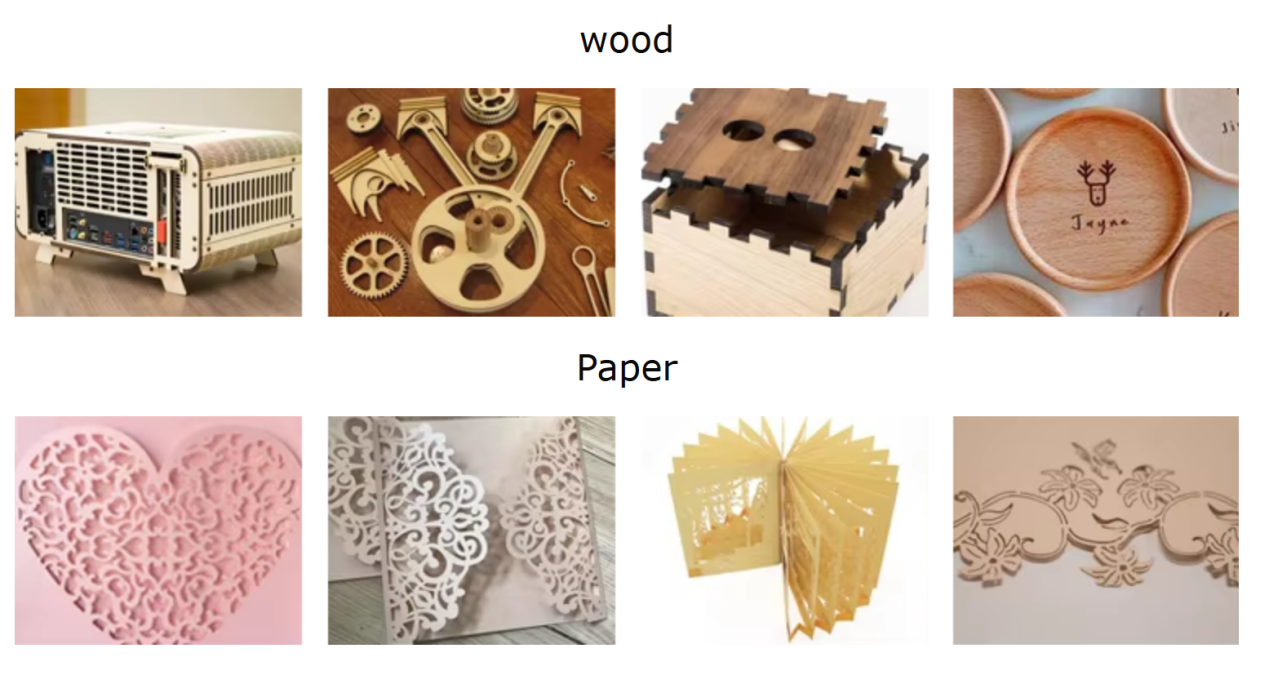
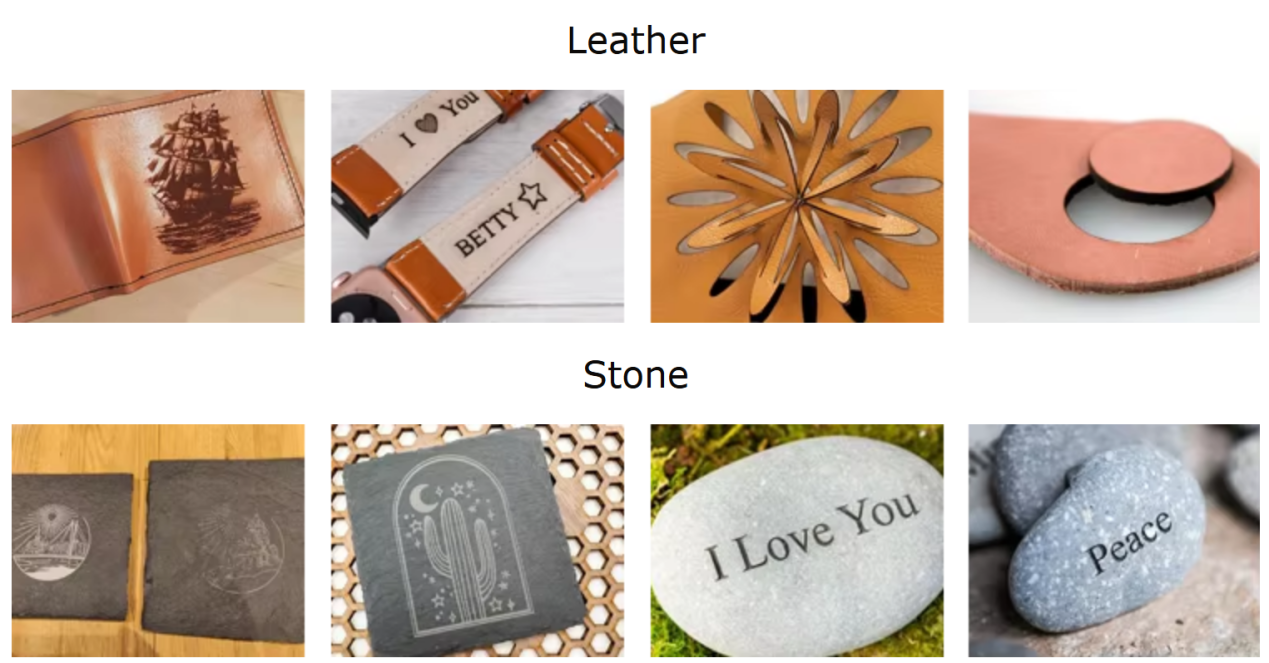
Sample testing should use real buyer materials, not only clean supplier demonstration sheets. During a 2026 HORISTAR CO2 sample-cut inspection, the laser application team tested 3 mm acrylic, 6 mm plywood and leather samples across a 4-hour parameter window to compare edge polish, smoke, odor, kerf and residue before recommending a configuration.
- Material name, supplier and thickness.
- Photo of the material label or SDS when chemistry is uncertain.
- Cutting speed, power, air assist and focus setting.
- Top, side and bottom edge photos.
- Smoke, odor, charring and residue notes.
- Whether the part needs engraving, cutting or both.
- Exhaust and chiller recommendation.
- Rejected materials and reason.
CO2 vs Fiber: Keep the Pages Separate
The old “Fiber vs CO2 Laser Cutting: Which Is Right for Your Materials?” topic mixed metal and non-metal intent. That creates keyword overlap with the dedicated metal-sheet article. Use this table to keep the two pages separated.
| Buyer Intent | Best Page | Internal Link Direction |
|---|---|---|
| Fiber vs CO2 for stainless or carbon steel | Metal-sheet comparison | Link to fiber vs CO2 metal-sheet guide |
| CO2 laser for acrylic, wood or leather | This non-metal CO2 guide | Link to HORISTAR CO2 laser page |
| Which laser should I buy for both metal and acrylic? | Both pages | Recommend two-machine workflow |
| CO2 laser machine price or model | Product page | Link to HORISTAR CO2 Laser Cutting Machine |
| General laser category | Category page | Link to Laser Cutting Machine |
RFQ Input List
Send a complete RFQ package so HORISTAR recommends the correct CO2 laser configuration.
- Material list: acrylic, wood, MDF, leather, fabric, paper, rubber or plastic type.
- Thickness range and largest routine sheet size.
- Cutting, engraving or mixed workflow.
- Desired edge result: polished acrylic, low-char wood, sealed fabric or fine engraving.
- Daily operating hours and shifts.
- Exhaust path and workshop ventilation condition.
- Chiller requirement and local voltage.
- Material SDS for plastics, coatings and artificial leather.
- Need for conveyor, camera positioning, rotary device or auto feeding.
- Destination country and required safety documents.
Get CO2 Laser Selection Support
To request a quote, send your material list, sheet size, thickness and sample photos through Contact HORISTAR. HORISTAR then recommends sample testing, CO2 power, working area, exhaust, chiller and options for your non-metal workflow.
Specification Checklist
Use this checklist to compare CO2 laser quotations line by line.
| Specification | Why It Matters | Buyer Cut-Off |
|---|---|---|
| Laser type | Defines material fit | CO2 for non-metals; fiber for metals. |
| Working area | Defines sheet size | Must cover largest routine sheet plus loading margin. |
| Laser power | Defines thickness and speed | Size for routine material, not rare extremes. |
| Exhaust system | Controls smoke and residue | Required before cutting wood, leather, fabric or rubber. |
| Chiller | Protects tube stability | Match tube power and working hours. |
| Optics access | Affects maintenance | Mirrors and lens must be easy to inspect. |
| Material reject list | Protects operator and machine | PVC/vinyl/chlorinated materials excluded. |
| Safety documents | Affects import and operation | Map to EN 60825-1, ISO 11553-1 and local rules. |
| Service path | Affects downtime | Require tube, lens, mirror and support plan. |
Frequently Asked Questions
CO2 laser cutting is best for many non-metal materials, especially acrylic, wood, MDF, plywood, leather, paper, cardboard, fabric and some rubber sheets. The exact result depends on material grade, thickness, coating, glue, air assist and exhaust. For plastics or artificial leather, request SDS and sample testing before approving production use.
Yes, for acrylic and wood workflows, CO2 is normally the better starting technology because the 10.6 micrometer wavelength is absorbed well by many non-metal materials. Fiber is the better starting technology for recurring metal sheet cutting. A shop that cuts both metal and acrylic every week usually needs separate machines.
Reject PVC, vinyl, chlorinated plastics, unknown coated plastics and PVC-coated artificial leather unless the material supplier provides written laser-safe proof. Polycarbonate is also a poor cutting material because it melts and discolors. Unknown foams, coated fabrics and flame-retardant materials need SDS review and a ventilation plan before testing.
Choose CO2 power from the thickest routine material, required edge quality, daily hours and table size. Thin paper and fabric need different settings from 8-15 mm acrylic or MDF. Instead of buying by wattage alone, send 3-5 real sample materials and require edge photos, speed, power and air-assist settings.
Send the material list, thickness range, largest sheet size, cutting/engraving requirement, desired edge result, operating hours, voltage, exhaust condition, chiller expectation, optional conveyor/camera needs and SDS for plastics or coated materials. HORISTAR then recommends the CO2 power, working area, options and sample-testing plan.
Content Review Record
Technical review record: reviewed by the HORISTAR laser application team on 2026-06-22; scope included 5 FAQ answers, 6 decision tables, 1 runtime calculation, safety sources, material screening and duplicate-topic separation from the metal-sheet guide.
References
- ISO, ISO 11145:2018, lasers vocabulary and symbols.
- ISO, ISO 11553-1:2020, safety of machinery – laser processing machines.
- IEC, IEC 60825-1:2014, safety of laser products.
- IEC, IEC 60204-1:2016, electrical equipment of machines.
- ISO, ISO 12100:2010, safety of machinery – risk assessment and risk reduction.
- OSHA, Laser Hazards – Standards, noting ANSI Z136 laser-safety standards as voluntary consensus standards.
- eCFR, 21 CFR 1040.10 Laser products.
- OSHA, Laser Hazards – Overview.
- OSHA, Technical Manual, Section III, Chapter 6.
- MIT EHS, Laser Cutter Safety Guidance.
- CDC/NIOSH, Laser-generated air contaminants released during laser cutting of materials.