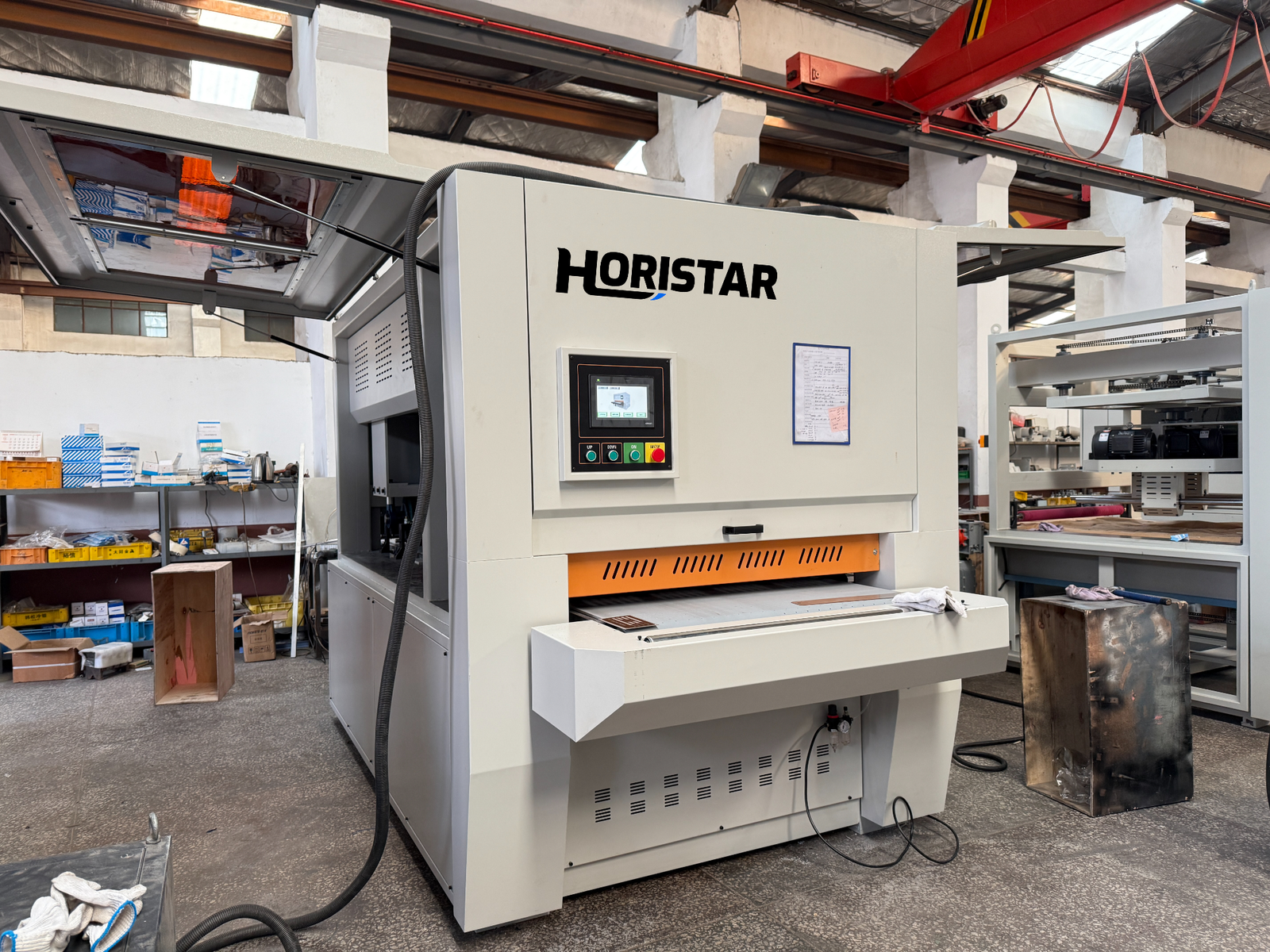
An oxide removal machine removes the dark oxide layer and thermal cutting residue from laser cut sheet metal edges using abrasive belts and flexible grinding rollers. It is especially useful after oxygen cutting of carbon steel, because oxide left on the edge weakens coating adhesion, complicates welding and spoils final appearance. The HORISTAR HM series combines burr removal, oxide cleaning and edge rounding (R0.1–0.5 mm) in a single automated process.
By Doris Li, CNC Application Engineer, HORISTAR CNC Application Team. Updated July 1, 2026. Technical review: HORISTAR CNC Application Team.
Main Technical Specifications
| Parameter | HM-1000G-W | HM-1300G-W |
|---|---|---|
| Working width | 1000 mm | 1300 mm |
| Processing thickness | 0.5–100 mm | 0.5–100 mm |
| Flexible grinding rollers | 6 | 8 |
| Feeding speed | 0.5–6 m/min | 0.5–6 m/min |
| Minimum processing size | 50 × 50 mm | 50 × 50 mm |
| Edge rounding / chamfer range | R0.1–0.5 mm | R0.1–0.5 mm |
| Machine weight | 2800 kg | 4500 kg |
| Power supply | 380 V, 50/60 Hz | 380 V, 50/60 Hz |
For overall machine dimensions, abrasive belt grit options and crate size, request the full specification sheet from HORISTAR.
Product Positioning
Many buyers search for a “deburring machine” when their real problem is the oxide layer. Burr removal, edge rounding and oxide removal are related but not the same process. This machine fits if your factory has one or more of these problems:
How the Machine Works
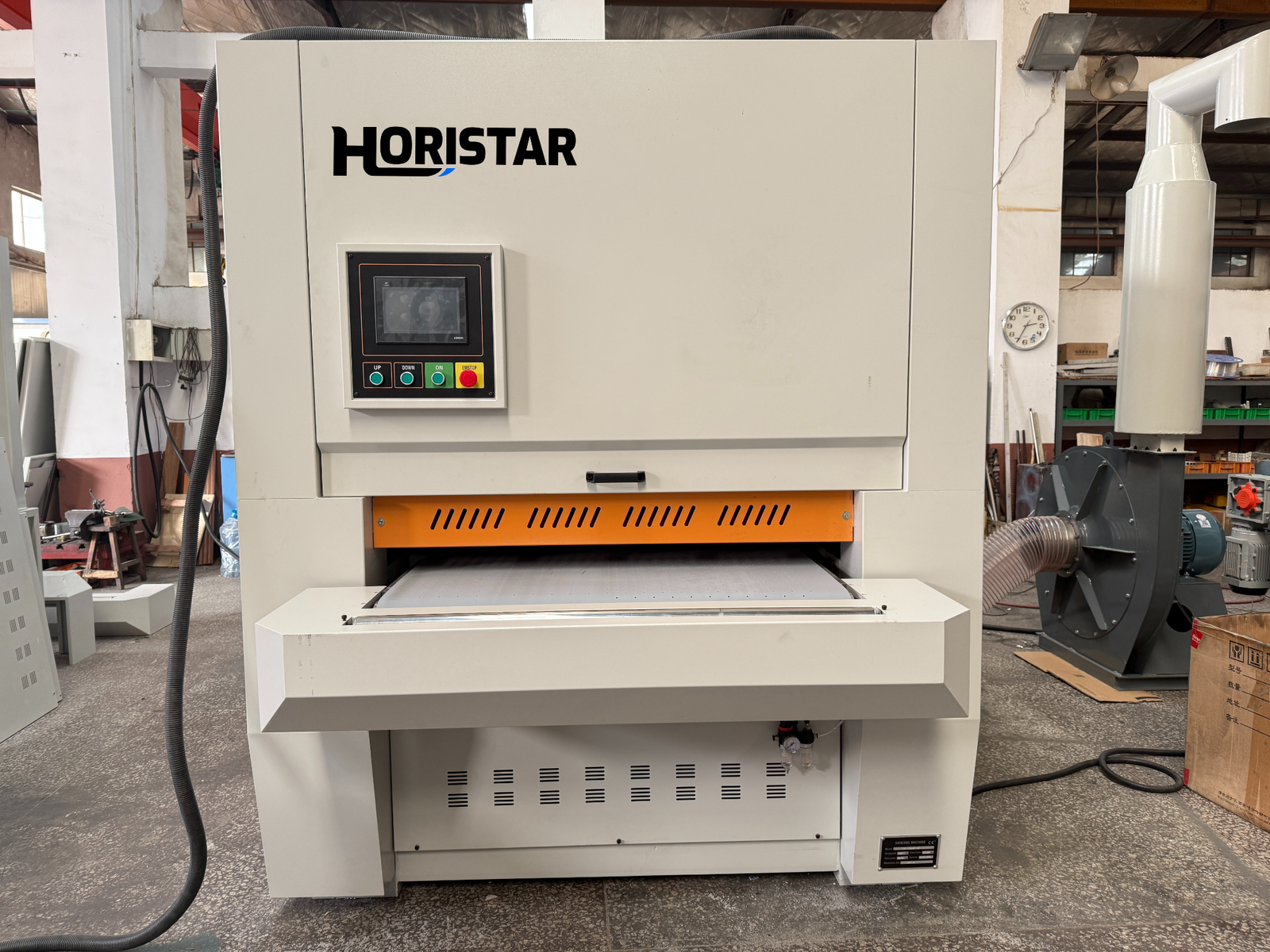
The HM series uses a dual sanding system with multiple flexible grinding rollers (6 on the HM-1000G-W, 8 on the HM-1300G-W) running over a feed conveyor. As parts pass under the abrasive belt and rollers, the system removes burrs, cleans the oxide layer and rounds sharp edges to a controllable R0.1–0.5 mm radius. Feed speed is adjustable from 0.5 to 6 m/min to match material, thickness and finish requirement.
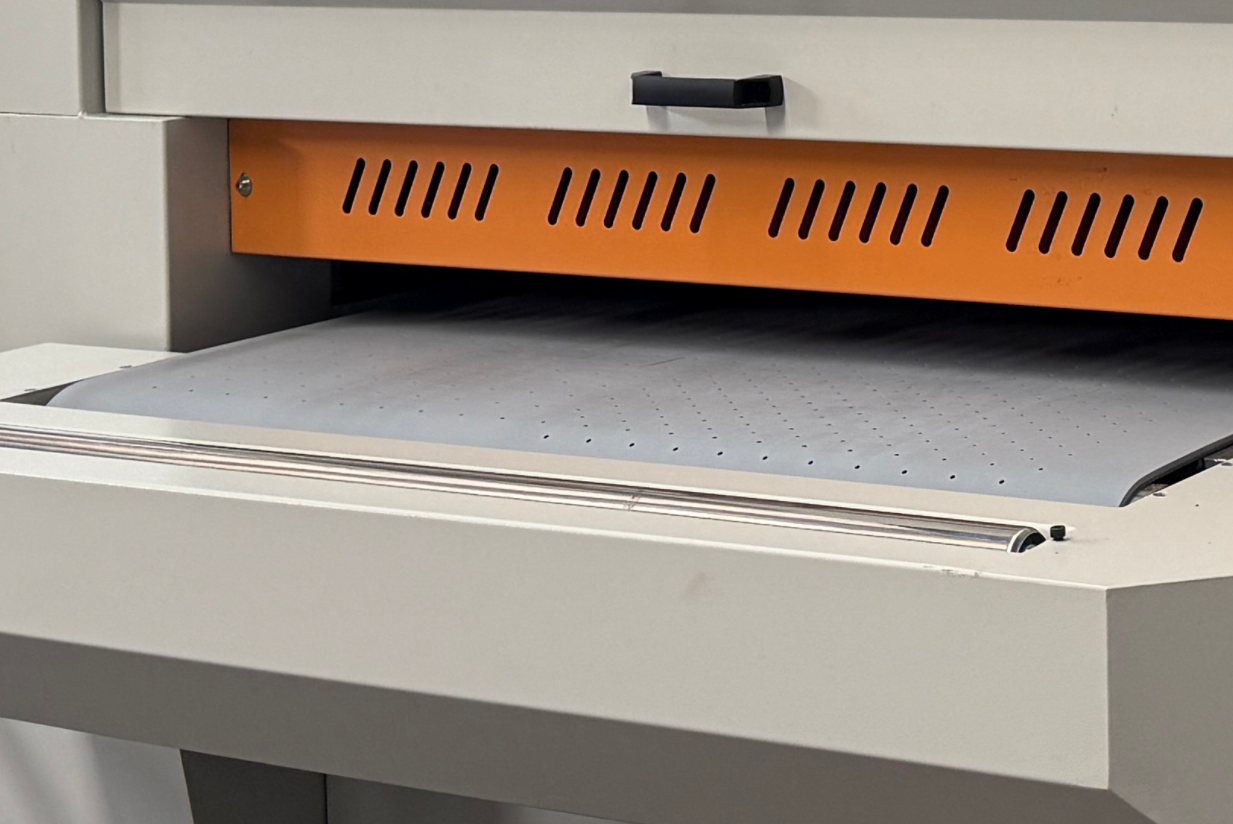
Vacuum Adsorption Workbench
A vacuum table firmly holds small or thin workpieces (down to 50 × 50 mm) so they finish without flipping or shifting, keeping dimensional accuracy and surface uniformity across every part.
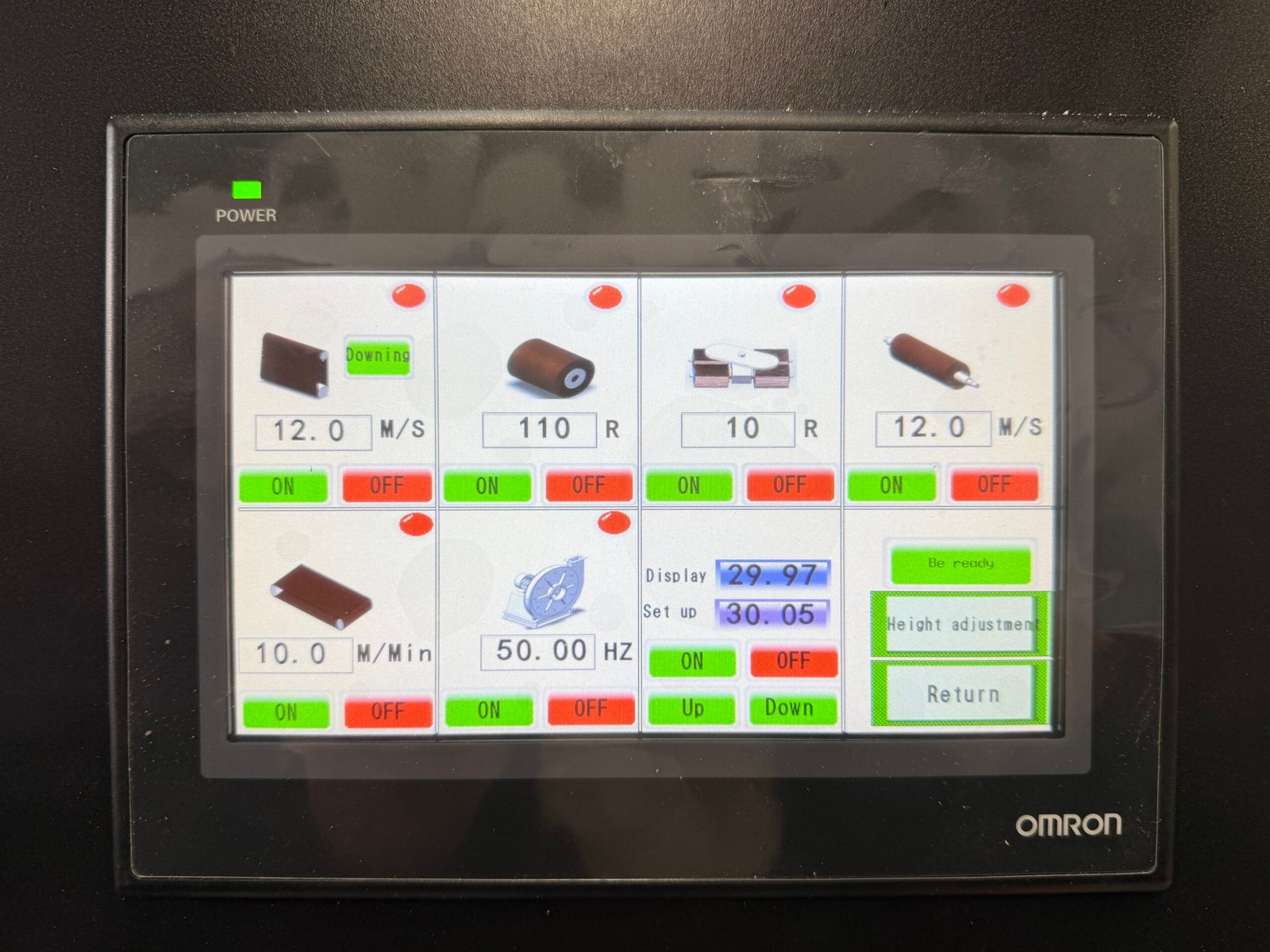
PLC Touch-Screen Control
Belt speed, pressure and processing thickness are set on a digital PLC panel, with real-time monitoring and quick changeover between jobs. Operators can save and recall settings for repeatable production.
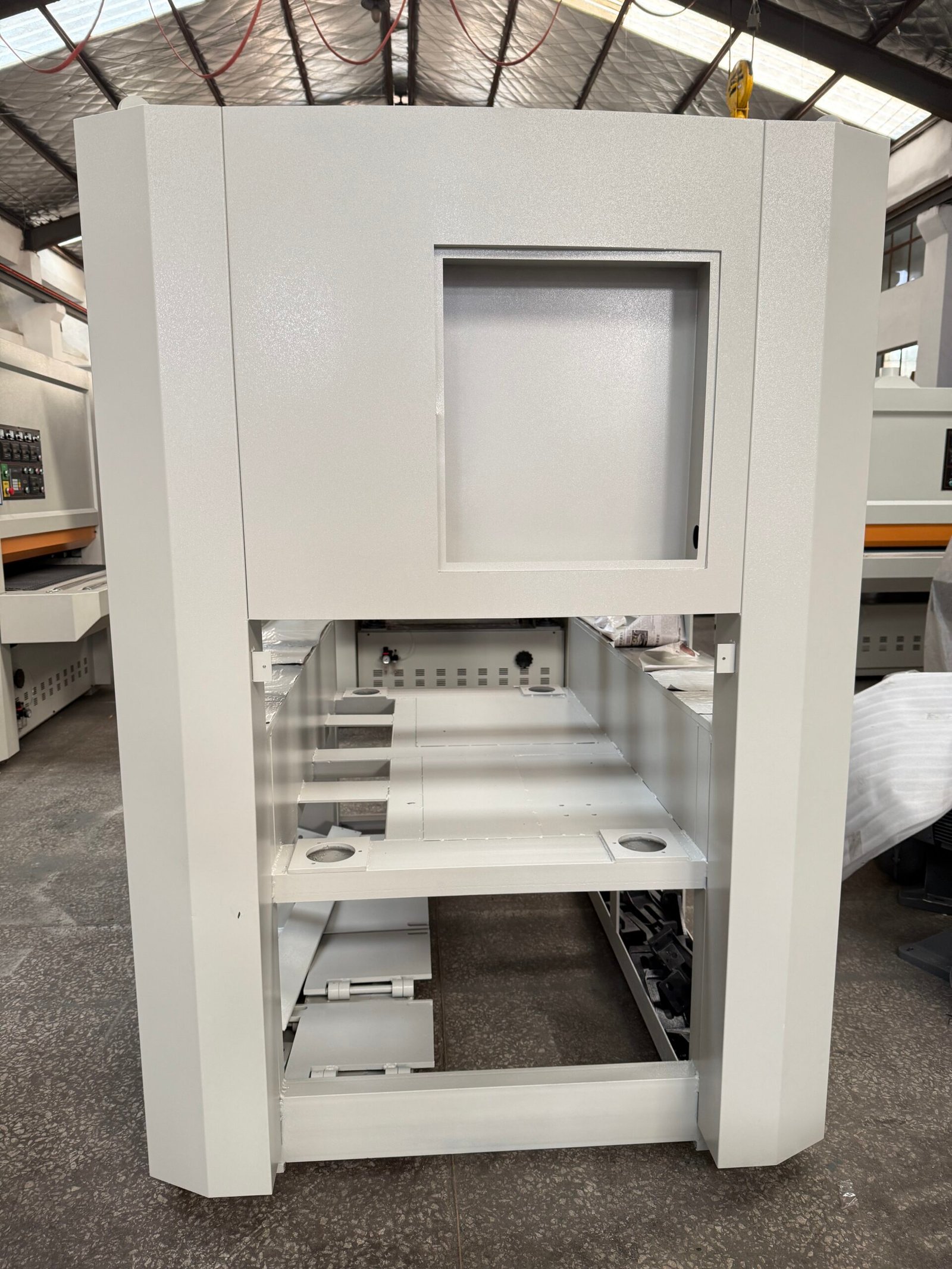
Reinforced Machine Body
The machine body is thickened and precision-milled to resist deformation under continuous heavy-duty operation. This keeps vibration low and maintains consistent abrasive contact across long production runs.
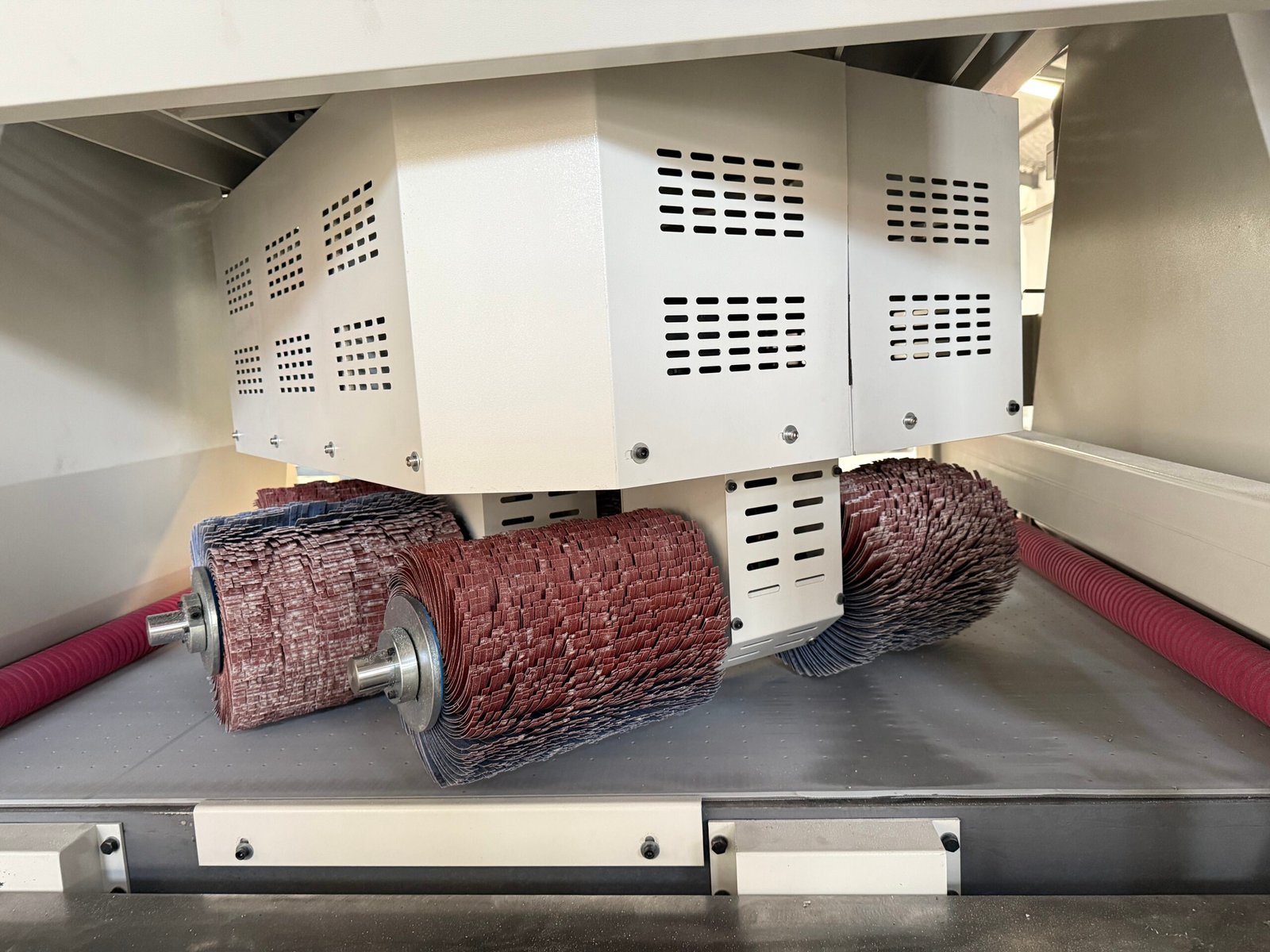
Automatic Belt Deviation Correction
A rubber drive roller with an eccentric-shaft design keeps the sanding belt aligned automatically, extending belt life and removing manual adjustment — reducing both downtime and consumable cost.
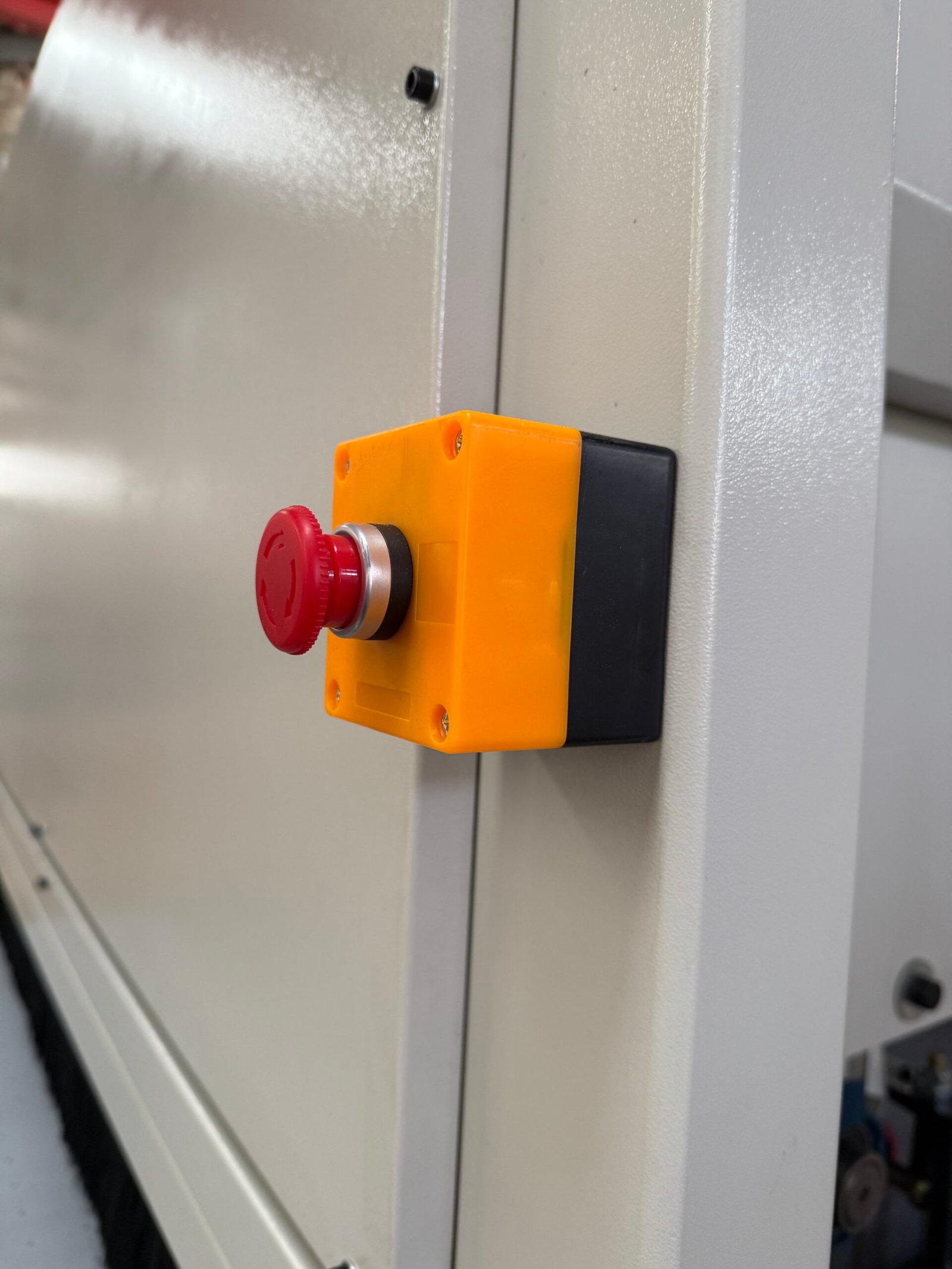
Intelligent Safety System
On an alarm or power failure the sanding belt halts automatically, and limit switches protect all motion positions. The system meets standard industrial safety requirements for continuous factory operation.
Oxide Removal vs Deburring vs Edge Rounding vs Surface Sanding
Remove the Dark Layer
Removes the dark oxide layer from thermally cut edges. Solves poor coating adhesion and welding preparation issues caused by oxygen laser and plasma cutting residue on carbon steel.
Remove Raised Burrs
Removes raised burrs and sharp residual material left on cut edges. Solves safety risk during handling, assembly interference and inconsistent quality from cutting parameter variation.
Create a Controlled Radius
Creates a small radius (R0.1–0.5 mm) on sharp edges. Improves powder coating coverage, eliminates handling injuries and meets assembly specification requirements for finished parts.
Improve Visible Texture
Improves the visible surface texture of flat faces and panels. Solves appearance requirements for stainless steel panels, architectural components and visible assemblies before finishing.
Some parts need only light deburring; others need oxide removal plus edge rounding before powder coating. The HM series can do all three in one pass, but the right belt and pressure settings depend on the part — HORISTAR recommends free sample testing before final machine selection.
Suitable Materials
The machine is used mainly for sheet metal parts. Final result depends on material, cutting method, burr condition, thickness, abrasive selection and machine settings.
Process Diagnosis: Identify the Real Edge Problem First
The correct configuration depends on the edge defect, so classify the defect on real parts rather than relying on the machine name.
Oxide removal is not a universal replacement for every finishing process — it is one part of a sheet metal finishing strategy.
Configuration Logic
HORISTAR matches the configuration to the edge condition and downstream process.
| Buyer Requirement | Recommended Direction |
|---|---|
| Remove oxide before welding | Abrasive belt — controlled edge cleaning |
| Prepare carbon steel for powder coating | Oxide removal + R0.1–0.5 mm edge rounding |
| Remove laser burrs and oxide together | Abrasive belt + flexible grinding rollers |
| Process small parts (down to 50 × 50 mm) | Vacuum adsorption workbench |
| Improve visible stainless panels | Surface sanding + edge finishing (tested first) |
| High daily output | HM-1300G-W — 1300 mm width, 8 rollers |
| Mixed thickness production | Adjustable pressure, speed + abrasive selection |
Carbon steel cut with oxygen usually needs oxide removal; nitrogen-cut parts have different edge conditions and may not.
Quality Criteria After Oxide Removal
Define the expected result before ordering. “Clean edge” is too vague — use practical inspection criteria.
| Inspection Item | Acceptable Result to Define |
|---|---|
| Oxide layer | Removed from the target edge area per your sample |
| Burr height | No sharp raised burr affecting handling or assembly |
| Edge radius | R0.1–0.5 mm or another agreed value if rounding is required |
| Coating preparation | Edge suitable for your coating process |
| Surface appearance | No unacceptable scratches on visible areas |
| Small part stability | Parts do not flip or shift during feeding |
| Consistency | Several parts show the same edge result |
If you have a coating specification, share it before machine recommendation. Coating failure often traces back to poor edge preparation, but the finishing machine must be matched to the paint or powder process.
Sample Testing Protocol
HORISTAR offers free sample testing. A solid test runs like this:
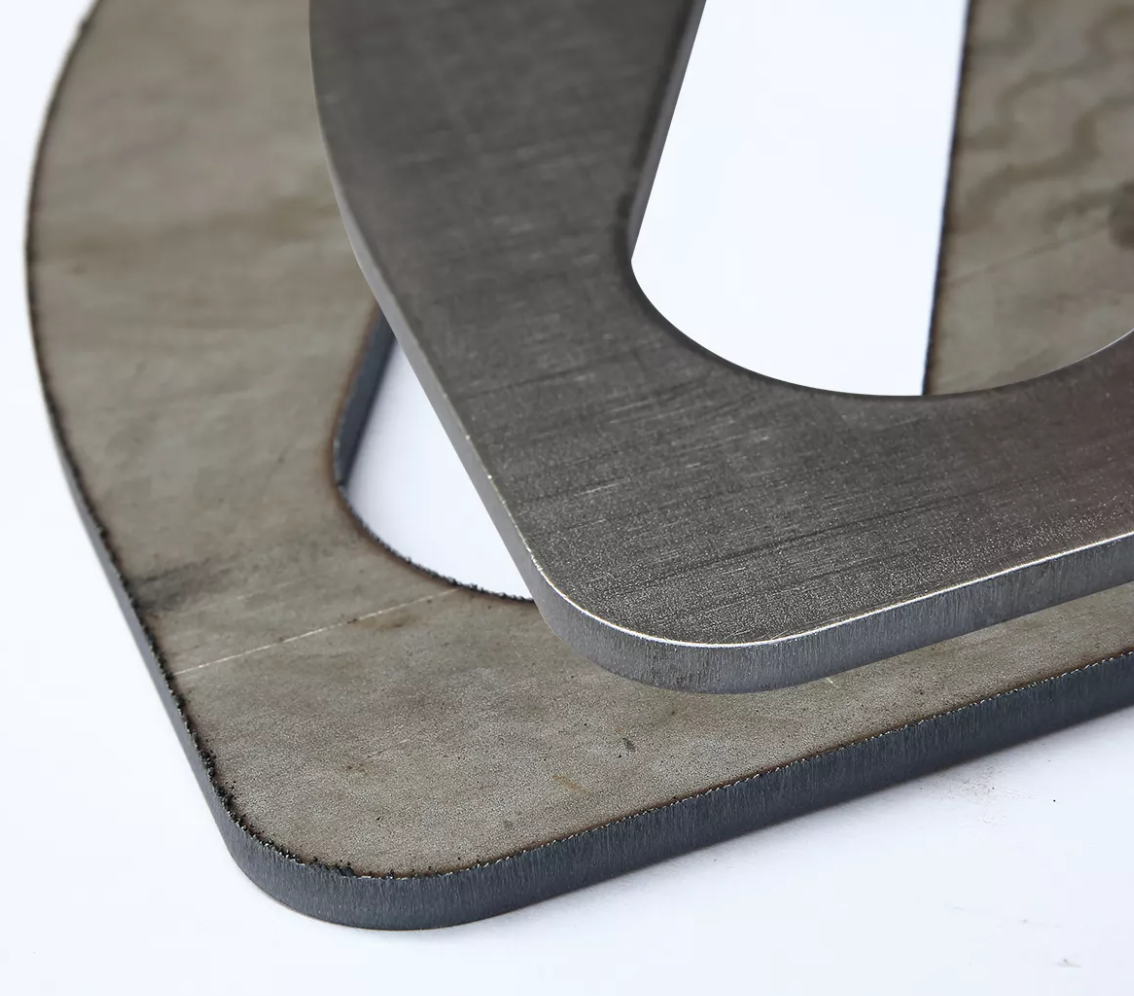
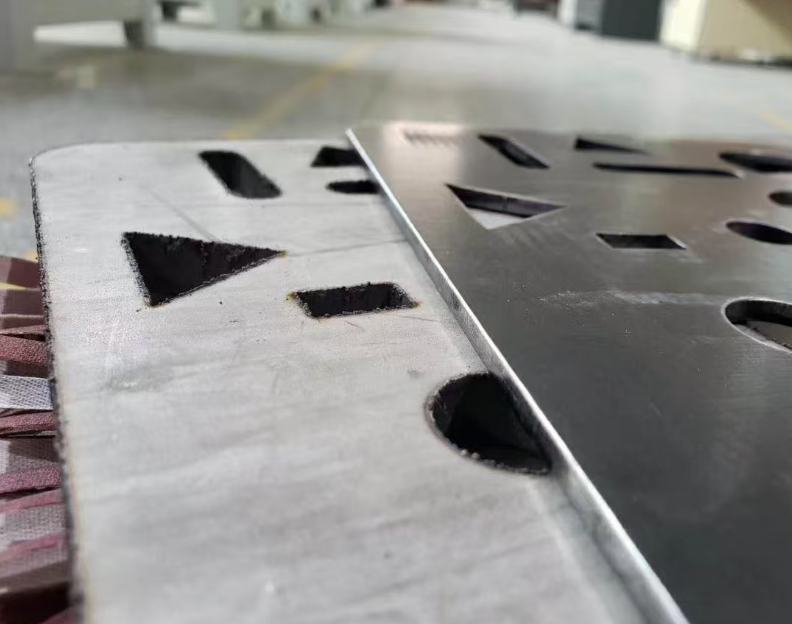
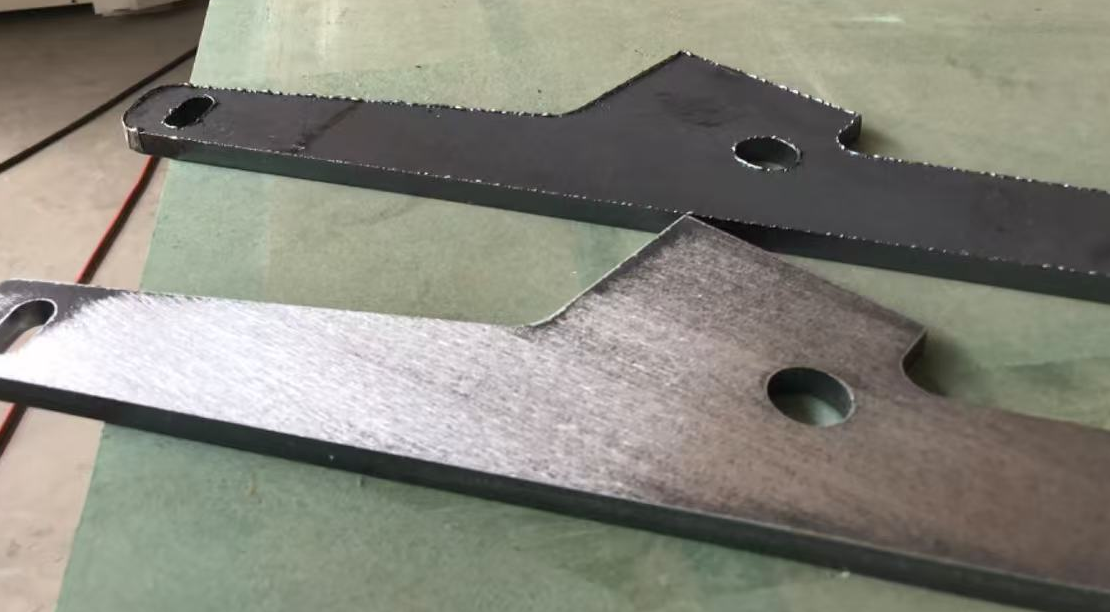
Finished Samples
Real parts finished on the HORISTAR HM series, showing consistent burr removal, smooth surfaces and precise edge treatment.
Cost and Throughput Considerations
The business case is strongest when manual edge cleaning is creating bottlenecks. Estimate these factory floor metrics:
When an Oxide Removal Machine Is Not Enough
Service, Warranty and Export Support
Free Sample Testing
Before you order — with measured before/after results and high-resolution edge images.
Remote Video Inspection
Test report with high-res images before shipment, so you approve the machine before it leaves the factory.
2-Year Warranty
Covers non-human damage, excluding consumables such as abrasive belts and filters.
Lifetime Software Upgrades
Free firmware and software upgrades plus lifelong technical support from the factory team.
Installation & Training
On-site or remote installation, calibration and operator training to get production started.
Multilingual Support
Around 18 hours daily via WhatsApp, email and WeChat. Standard terms: 30% T/T deposit, 70% before shipping.
HORISTAR manufactures from a production base of over 50,000 m², holds 30+ patents and is certified to ISO, CE and FDA standards, serving customers across 100+ countries.
Ask HORISTAR to Review Your Laser Cut Parts
Before choosing a machine, send your part details and photos. HORISTAR will analyse the edge condition and recommend the right configuration — free, before any commitment.
Include in your enquiry:
- Material type
- Thickness range
- Cutting method (oxygen laser, plasma, etc.)
- Photos of the oxide layer and burrs
- Largest and smallest part size
- Required edge radius, if any
- Downstream process (welding, coating, assembly)
- Daily or monthly production volume
Sources and Review Record
Review record: Updated July 1, 2026 by Doris Li. Technical review completed by the HORISTAR CNC Application Team for oxide-removal process logic, model data, RFQ inputs and coating-preparation references.
- HORISTAR, CNC Sanding Deburring Machine product page.
- International Organization for Standardization, ISO 8501-3:2025 Preparation of steel substrates before paints and related products.
- International Organization for Standardization, ISO 12944-4:2017 Protective paint systems — Types of surface and surface preparation.
- ASTM International, ASTM B117 Standard Practice for Operating Salt Spray Apparatus.
- Occupational Safety and Health Administration, 29 CFR 1910.212 Machine guarding.