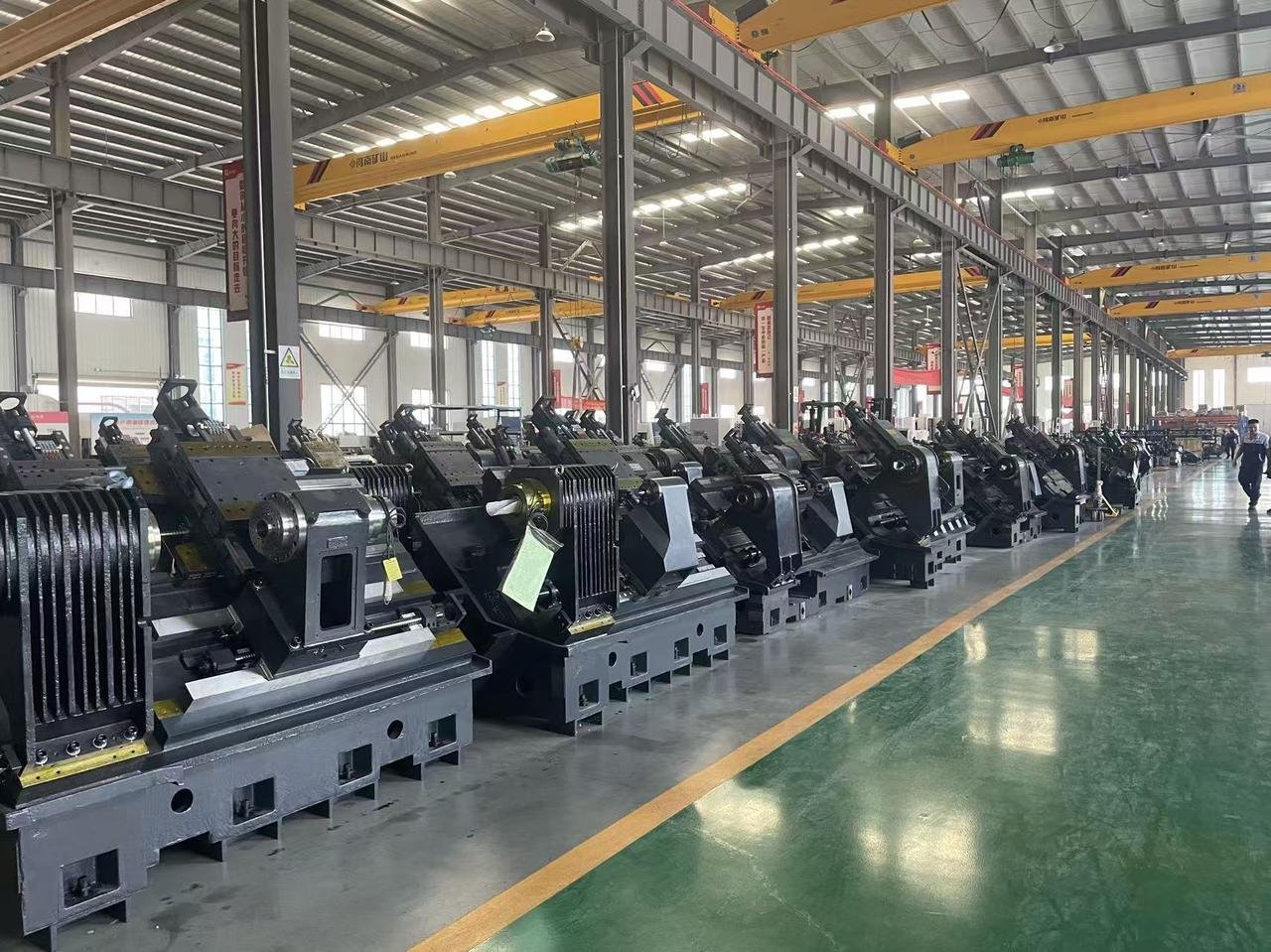
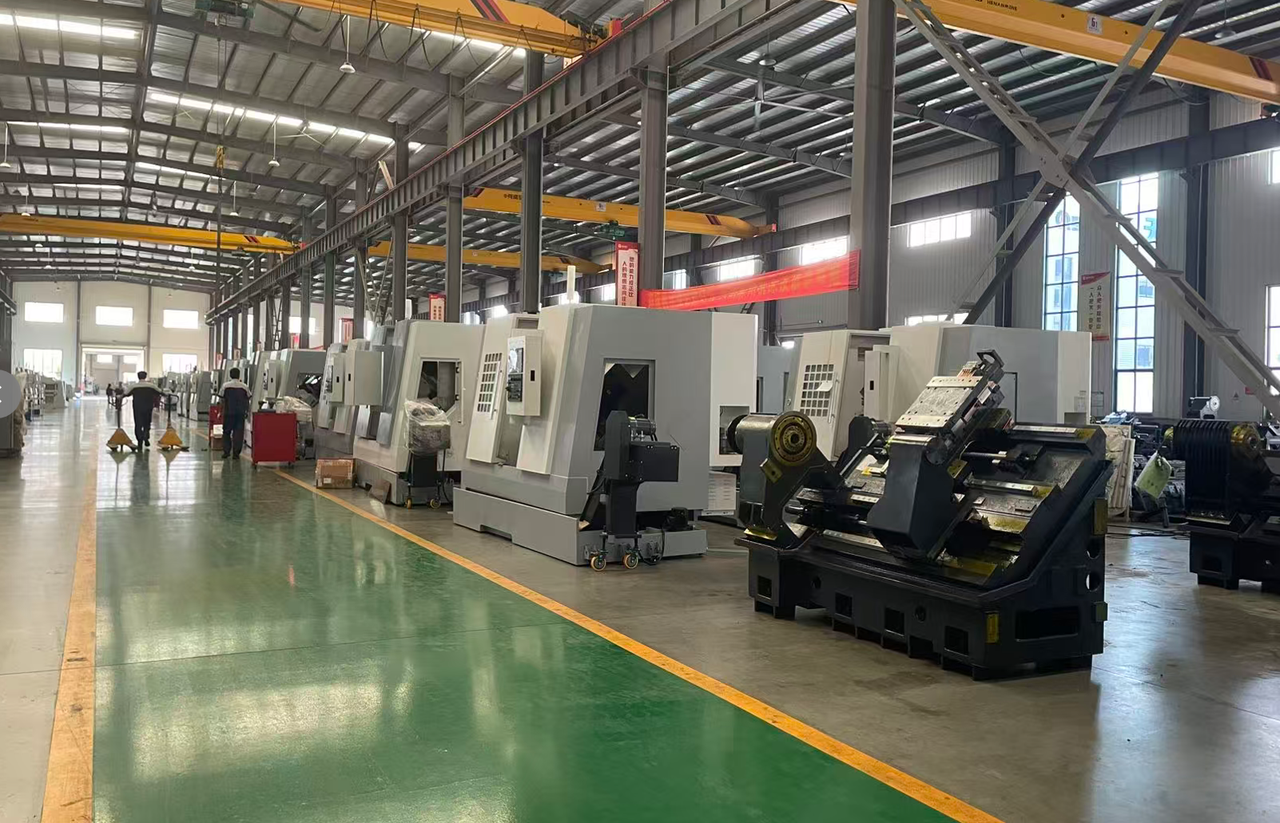
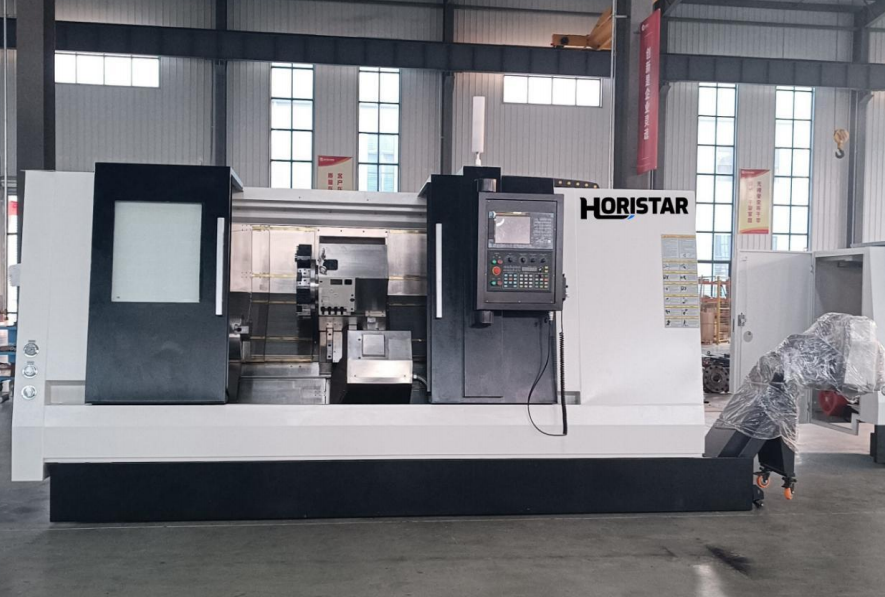
A servo turret CNC lathe is designed for turning parts that require multiple tools, stable repeatability and efficient batch production. The servo-driven turret indexes tools automatically, locks them into position and allows the machine to complete turning, facing, boring, grooving, threading, drilling and parting operations in one programmed cycle.
For manufacturers producing shafts, sleeves, fittings, bushings, connectors, hydraulic parts, valve parts and automotive components, the turret system is not a small accessory. It directly affects tool change speed, repeatability, cycle time and surface stability.
A servo turret CNC lathe improves production accuracy by indexing tools more consistently and reducing tool-change variation during multi-operation turning. It can support smoother cutting because the tool position is more stable after each index and lock cycle. Final accuracy still depends on the whole machine system: bed rigidity, spindle accuracy, guideways, ball screws, tool holders, workholding, thermal stability, cutting parameters and inspection method.
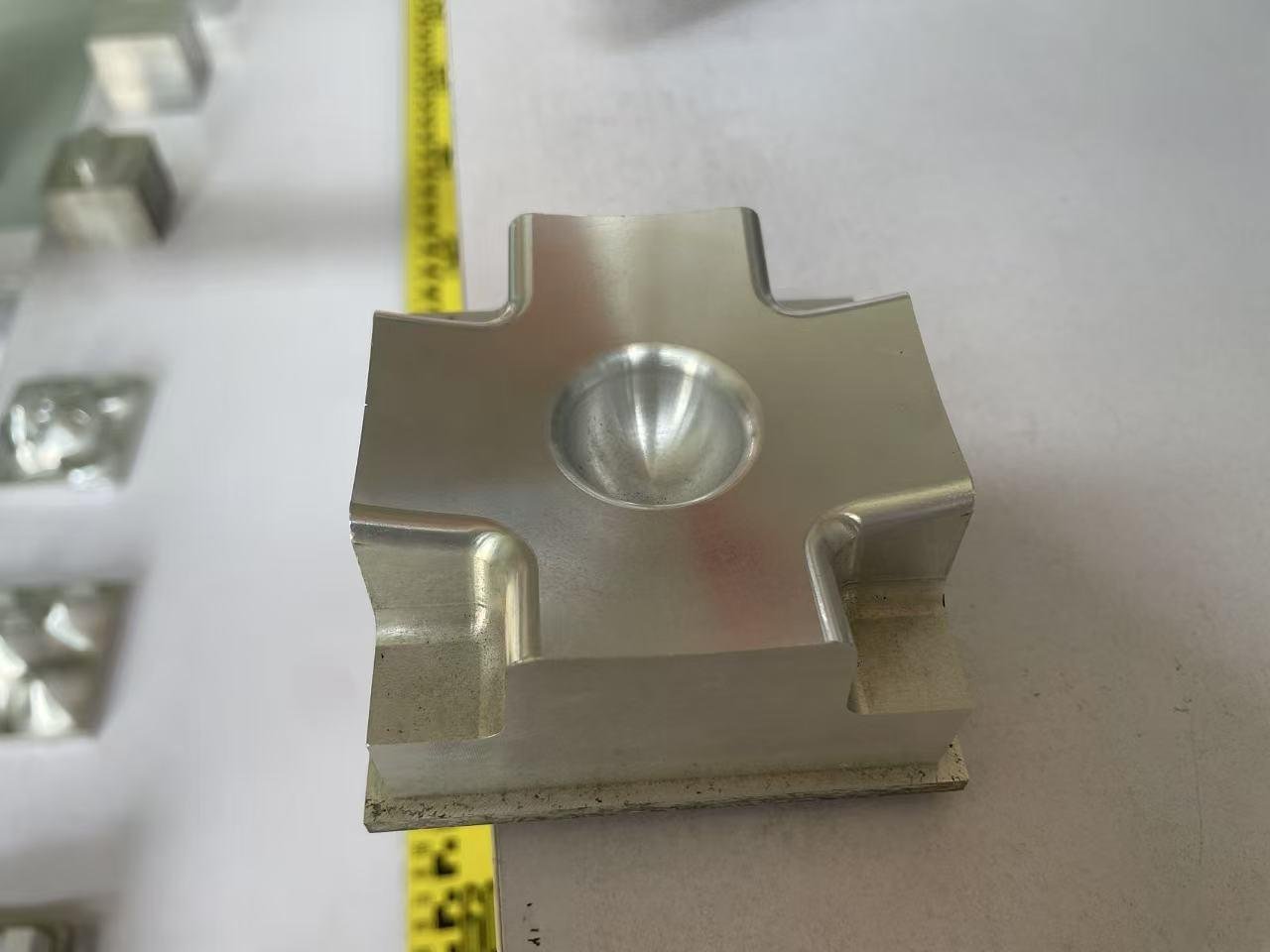
What Is a Servo Turret CNC Lathe?
A servo turret CNC lathe is a CNC turning machine equipped with a servo-controlled tool turret. The turret holds multiple tools and rotates automatically to bring the selected tool into cutting position.
Common turret operations include:
- External turning and facing
- Internal boring
- Drilling, grooving and threading
- Chamfering and parting
The main purpose is to reduce manual tool changes and allow complex parts to be machined in one continuous cycle.
Why the Turret Matters More Than Many Buyers Realize
In turning work, the tool must return to the correct position again and again. If the turret indexes slowly or locks poorly, the part may show variation even when the CNC program is correct.
The turret affects: tool change time, repeat positioning, tool center height stability, cutting vibration, surface finish, dimensional consistency, cycle time and operator workload.
A low-quality turret can create hidden costs through rework, unstable dimensions and long setup time. A stable servo turret helps the machine produce more repeatable parts.
Typical Reference Figures
| Parameter | Typical Reference Value | Why It Matters |
|---|---|---|
| Turret indexing time | ~0.15–0.3 s per adjacent station | Faster indexing shortens cycle time on multi-tool parts. |
| Tool repeat positioning | ~±0.003–0.005 mm | Determines how stable part dimensions stay across a batch. |
| Turret station count | 8 / 10 / 12 | More stations mean fewer manual tool changes. |
| Rough turning finish | Ra ~3.2–6.3 μm | Baseline finish before finishing passes. |
| Finish turning finish | Ra ~1.6–3.2 μm | Common acceptable finish for fittings and shafts. |
| Fine finish turning | Ra ~0.8–1.6 μm | Required for sealing surfaces and precision parts. |
How a Servo Turret Improves Accuracy
1. Controlled Tool Indexing
The servo motor controls the turret rotation and indexing process. This allows the turret to move to the selected station with controlled motion instead of relying on a slower or less precise manual process.
2. Repeatable Tool Position
A good turret system allows each tool station to return to the same position repeatedly. This is important for batch production because every tool change can affect the final part size.
3. Strong Mechanical Locking
Indexing alone is not enough. After the turret rotates, it must lock firmly before cutting. Strong locking helps reduce movement under cutting force — especially critical for grooving, threading, heavy roughing and tight tolerance finishing.
4. Less Operator Variation
Manual tool changes depend on the operator. A programmed servo turret reduces variation caused by manual setup and tool selection.
5. Better Multi-Operation Control
The more tools a part needs, the more value a servo turret provides. A part requiring facing, rough turning, finish turning, drilling, grooving, threading and parting can be processed with fewer manual steps.
How a Servo Turret Helps Smooth Cutting
Smooth cutting depends on stable contact between tool and workpiece. The servo turret contributes by holding each tool in a repeatable and locked position.
Smooth cutting is also affected by: turret rigidity, tool holder stiffness, tool overhang, spindle stability, workpiece clamping, cutting speed, feed rate, depth of cut, coolant, material hardness and machine vibration.
The servo turret is only one part of the system, but it is an important part. If the turret is unstable, even good cutting tools and good programs may produce chatter or inconsistent surface finish.
Servo Turret vs Manual Tool Change
| Factor | Servo Turret CNC Lathe | Manual Tool Change Lathe | Buyer Meaning |
|---|---|---|---|
| Tool change | Automatic | Manual | Servo turret reduces cycle interruption. |
| Repeatability | More consistent | Depends on operator | Servo turret improves batch stability. |
| Labor | Lower during cycle | Higher | More suitable for repeated production. |
| Complex parts | Stronger | Less efficient | Multi-operation parts benefit more. |
| Setup risk | Lower after correct setup | Higher | Automation reduces tool selection mistakes. |
| Best use | Batch production, multi-tool parts | Simple parts, small workshops | Choose based on production volume and part complexity. |
Servo Turret vs Hydraulic Turret
| Factor | Servo Turret | Hydraulic Turret |
|---|---|---|
| Drive method | Servo motor | Hydraulic system |
| Indexing control | Precise programmed movement | Hydraulic actuation |
| Maintenance focus | Servo motor, encoder, mechanical locking | Oil, seals, pressure and hydraulic components |
| Buyer focus | Repeatability, speed, locking rigidity | Reliability, pressure stability, service access |
The real buying question is: can the turret index quickly, lock rigidly and hold accuracy under the cutting load required by your parts?
Turret Station Count: How Many Tools Do You Need?
| Part Complexity | Tool Requirement | Turret Consideration |
|---|---|---|
| Simple turning and facing | Few tools | Lower station count may be enough. |
| Turning plus drilling and threading | Moderate tools | More stations reduce tool changes. |
| Complex fittings or valve parts | Many tools | Higher station count improves workflow. |
| Frequent product changes | More spare positions useful | More stations can reduce setup time. |
Do not select station count by price only. If the turret cannot hold all required tools, the operator may need extra setup time which increases downtime.
What Really Affects Micron-Level Accuracy?
Some buyers search for “servo turret CNC lathe for micron-level accuracy.” A servo turret can support high repeatability, but true precision depends on the entire machine and process.
Important factors include: bed casting rigidity, spindle accuracy and thermal stability, guideway type and precision, ball screw quality, servo system response, tool holder rigidity, chuck and clamping method, workpiece material, tool wear, cutting temperature, coolant stability, operator setup and measurement equipment.
The turret cannot compensate for a weak spindle, poor clamping or incorrect cutting parameters. For high-precision parts, request sample machining and measurement reports.
Surface Finish: Why Smooth Cutting Fails
Poor surface finish may come from many causes, not only the turret. Common causes include: excessive tool overhang, dull cutting inserts, wrong feed rate or cutting speed, weak workholding, spindle runout, turret locking instability, material hardness variation, insufficient coolant, machine vibration and too aggressive depth of cut.
If your parts require smooth surfaces, send the required surface roughness, material, diameter, length and tolerance to HORISTAR. A good supplier should recommend machine configuration, tooling direction and process conditions.
Typical Applications
The more repeated the part and the more tools required, the more important the turret system becomes.
Buyer Selection Framework
Define Part Geometry
Provide maximum turning diameter, turning length, bar diameter, hole depth and any internal machining requirement.
Define Material
Carbon steel, stainless steel, aluminum, brass and alloy steel require different cutting strategies and machine rigidity.
Define Tolerance
Do not simply say “high precision.” Give actual tolerance requirements from the drawing.
Define Surface Finish
If the part has a surface roughness requirement, include the Ra value in the inquiry.
Count Required Tools
List rough turning, finish turning, boring, drilling, grooving, threading, chamfering and parting tools. This helps select turret station count.
Estimate Production Volume
Batch size affects the value of automation, bar feeding and cycle time optimization.
Ask for Sample Cutting
For important parts, sample cutting is more reliable than catalog claims.
Acceptance Checks Before Buying
Before final approval, buyers should check:
- Tool indexing repeatability and turret locking stability
- Spindle runout and test part dimensional consistency
- Surface finish after repeated cycles
- Thread quality and roundness where required
- Heat rise during longer running
- Control system usability and spare parts availability
- Service and training support
If possible, test with your own material and part drawing. Do not accept only a supplier-prepared sample.
Questions to Ask the Supplier
- How many turret stations are available?
- What is the tool change time?
- What type of turret locking system is used?
- What is the recommended application range?
- What spindle bore and chuck size are available?
- What guideway type is used?
- Can the machine support bar feeding?
- What accuracy data can be provided?
- Can you machine my sample part?
- What training and after-sales support are included?
Conclusion
A servo turret CNC lathe can improve production by reducing tool-change time, improving repeatability and supporting smoother cutting in multi-operation turning. It is especially valuable for batch production of shafts, sleeves, fittings, connectors, hydraulic parts and precision metal components.
The best machine is not defined by the turret alone. Buyers should evaluate the full system: turret rigidity, bed structure, spindle accuracy, guideways, ball screws, tool holders, workholding, control system, service support and sample cutting results.