Buying a CNC or laser machine from China can cut your equipment costs by 30–50% compared with European or North American suppliers. But the savings only matter if the machine arrives on time, clears customs without trouble, and performs the way the spec sheet promised.
This guide walks you through what an experienced buyer checks before sending a deposit: which certifications actually matter, how shipping and customs really work, what lead times to expect, and how to structure payment so your risk stays low. Whether you’re sourcing your first machine or your tenth, these are the points that separate a smooth purchase from an expensive lesson.
Why buyers source from China
China produces a large share of the world’s industrial laser and CNC equipment, and the manufacturing base has matured significantly over the past decade. For many fiber laser cutters, press brakes, and welding systems, the core components — laser sources, drives, control systems — now come from the same global suppliers used by Western brands.
The result: comparable performance at a markedly lower price — provided you buy from a manufacturer that controls its own production rather than a trading company reselling unbranded machines. The questions below help you tell the two apart.
Buy from the maker, not the middleman
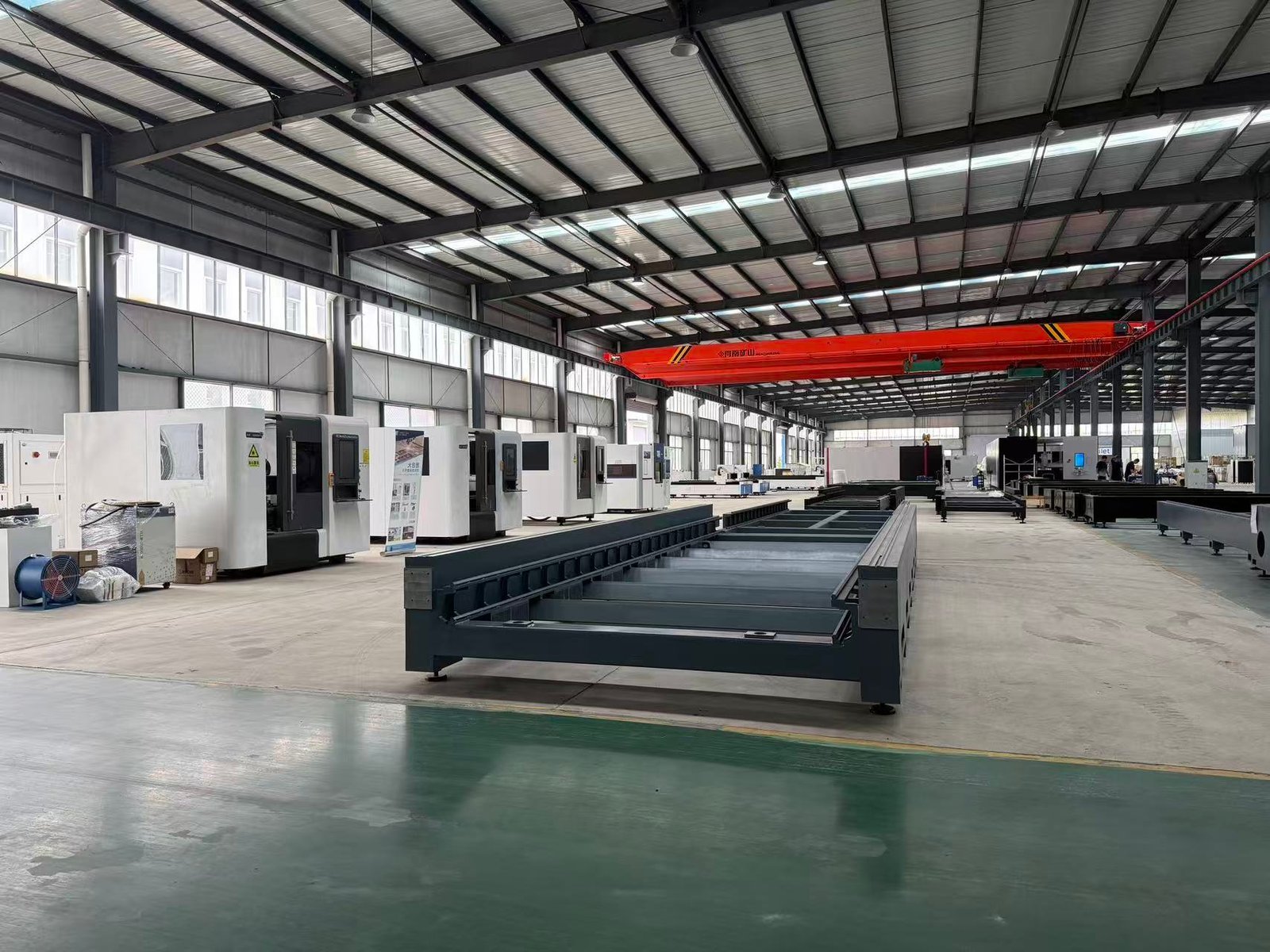
A real manufacturer can show you the factory floor, the machine being built, and the engineers behind it. With a 50,000+ m² production base and 30+ patents, HORISTAR builds in-house — so you talk directly to the people who know the machine.
01 Certifications: what to demand
Certifications are your first filter. A serious manufacturer provides documentation without hesitation; a reseller often cannot.
- CE marking — Mandatory for machines entering the European Economic Area. Ask for the Declaration of Conformity, not just a logo on the brochure.
- FDA registration — Relevant for laser products entering the United States, which are regulated as radiation-emitting products requiring proper classification.
- ISO 9001 — Certifies a documented quality-management system. It tells you the factory has repeatable processes, not ad-hoc assembly.
02 Match the machine to your real workload
Price comparisons are meaningless until you’ve defined what the machine actually needs to do. Before requesting quotes, document:
- Material and thickness range — e.g. 0.5–20 mm carbon steel. This drives laser power and machine class more than anything else.
- Sheet or part size — Determines table dimensions and footprint.
- Throughput — Parts per shift. “Fast enough” for a prototype shop may bottleneck a production line.
- Precision tolerance — Tighter tolerances raise cost; don’t over-spec what you don’t need.
Let the engineer recommend the spec
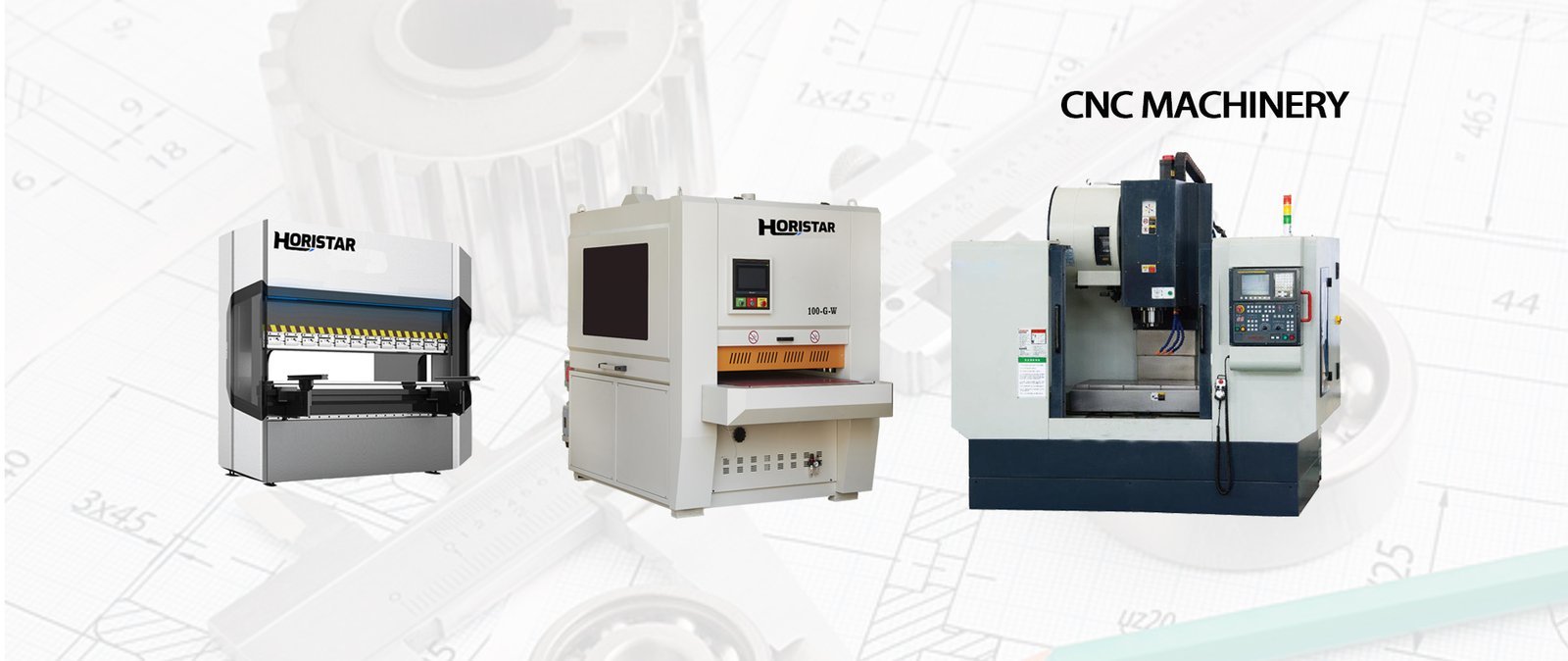
A manufacturer that asks clarifying questions is engineering a solution; one that instantly quotes the cheapest model is moving inventory. Browse our laser cutting, CNC bending and laser welding ranges to frame the conversation.
03 What affects the price
Two quotes for “a 3 kW fiber laser” can differ by tens of thousands of dollars. The variables that matter most:
- Laser source brand and power — Often the single largest cost component.
- Bed size and automation — Exchange tables, automatic loading and enclosure type all add cost.
- Control system and software — More capable controllers improve usability and resale value.
- Warranty and included spares — A low sticker price with no spares can cost more over the machine’s life.
Always compare like-for-like. Ask each supplier to itemize the laser source, control system, warranty period and included tooling, so you’re not comparing a stripped-down unit against a complete one.
04 Shipping, customs & Incoterms
Most industrial machines ship by sea freight. Understand which Incoterm your quote uses:
- FOB — Supplier delivers to the origin port; you arrange ocean freight onward. Common and flexible.
- CIF — Supplier covers freight and insurance to your destination port; you handle customs and inland delivery.
- DAP / DDP — Supplier handles most or all delivery to your door. Simpler for first-timers — verify what’s included.
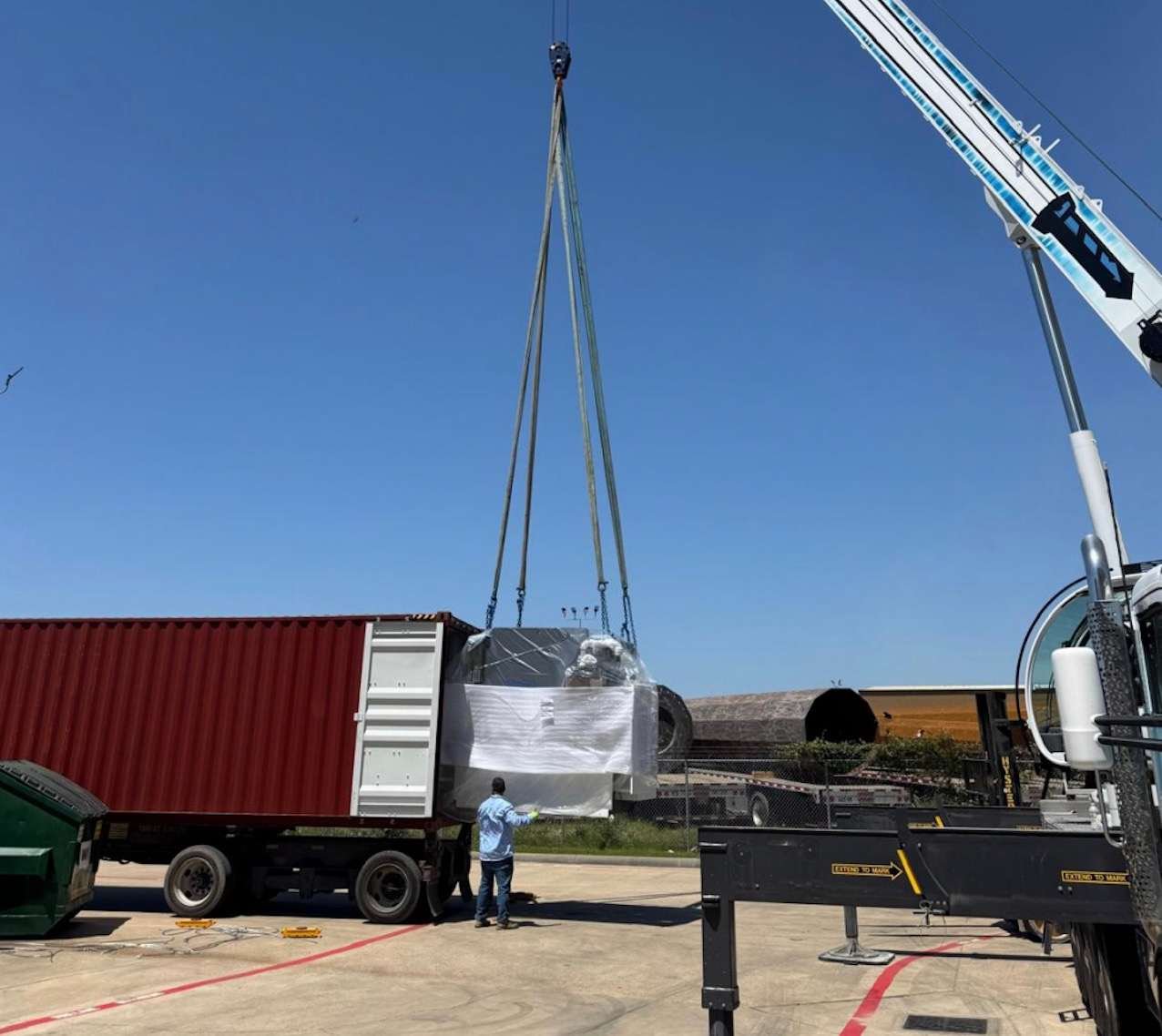
Budget for destination-side costs your quote may exclude: import duty, VAT/sales tax, brokerage, port handling and inland trucking. A reliable supplier prepares accurate commercial invoices, packing lists and certificates of origin so the machine clears customs without delay.
05 Lead times: what’s realistic
For standard configurations, expect roughly 25–45 days of production after order confirmation, plus ocean transit — commonly 30–45 days to Europe or North America. Custom configurations add time. Build a realistic buffer into your schedule and confirm the production and shipping windows in writing before you pay.
06 Structure payment to protect yourself
The industry-standard term for capital equipment is a 30% T/T deposit before production and 70% before shipping — the same structure HORISTAR uses. It balances risk: the supplier secures committed orders, while you keep leverage until the machine is built and inspected.
Before the balance payment, request:
- Photos and video of your specific machine on the production floor.
- A Factory Acceptance Test (FAT) — a recorded run processing your material to confirm performance.
07 After-sales support across borders
A machine is only as good as the support behind it when something goes wrong 10,000 km away. Before you commit, confirm warranty scope, remote-support time-zone coverage, spare-parts lead times, and whether installation and operator training are provided.
Support that doesn’t stop at shipping
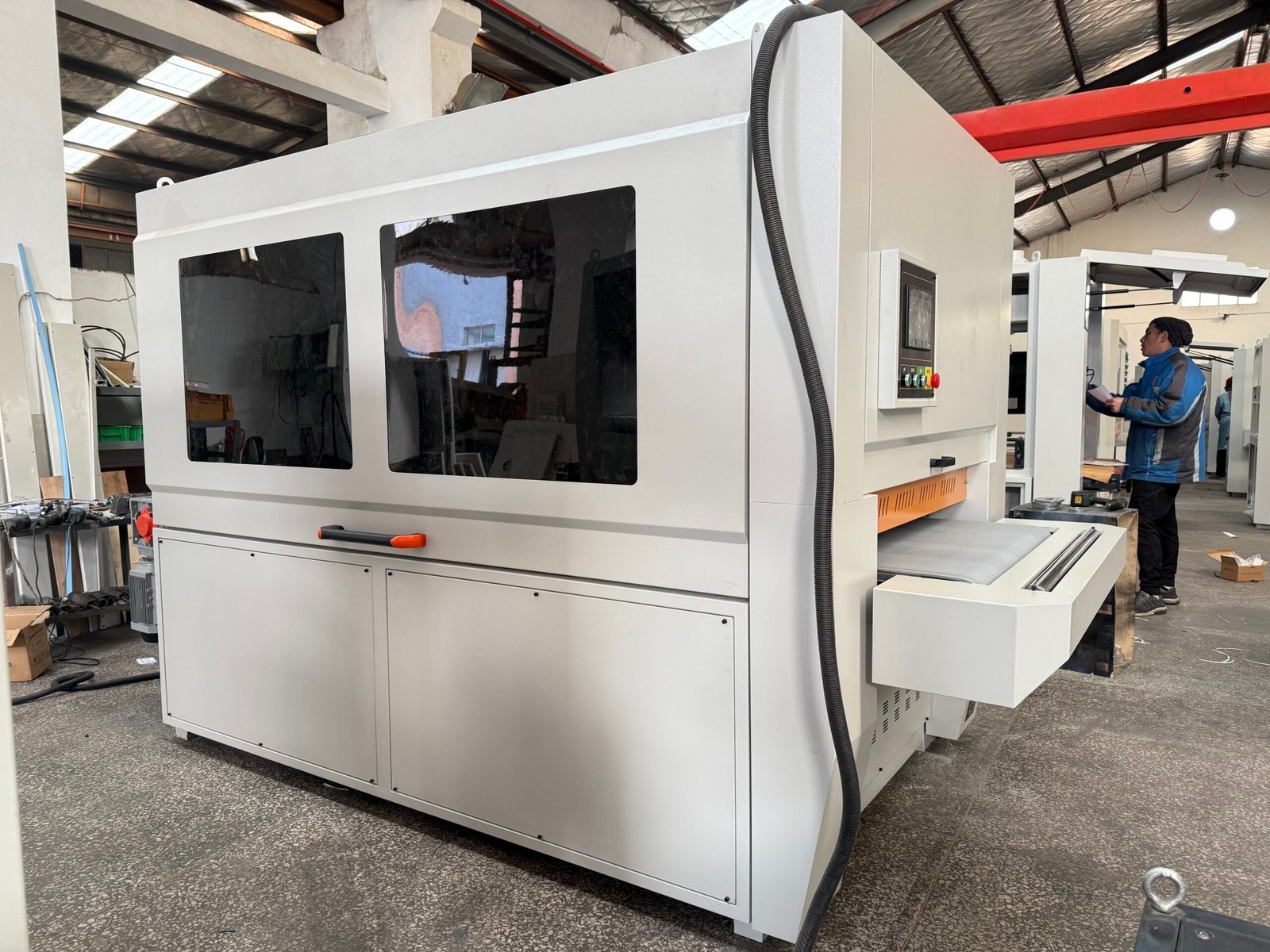
HORISTAR includes installation and training as the final step of every order and provides round-the-clock global technical support. See our After-Sale Service for the full scope.